Managing the OEM swimwear manufacturing process step by step helps brands reduce production risks, avoid unnecessary revisions, and maintain consistency from the initial design stage to final delivery. Missing key approval points, such as tech pack confirmation or sample approval, can lead to fitting issues, production delays, and quality problems during bulk manufacturing.
This guide explains the complete 11-stage OEM swimwear manufacturing workflow, covering the key approval points from design brief and tech pack development to final inspection and shipment. We evaluate the key deliverables at each gate, including the criteria for approving fit samples and the function of the Pre-Production Sample (PPS), to give you a clear operational framework for launching a high-quality swimwear line on schedule.
What Is OEM Swimwear Manufacturing?
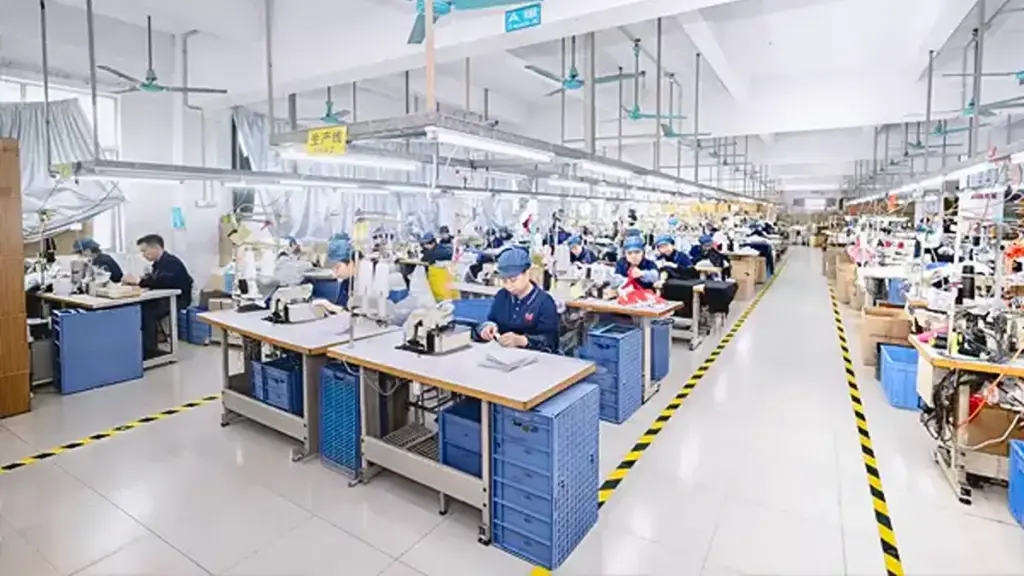
OEM swimwear manufacturing is a production model where a brand provides the product concept or specifications, and the manufacturer develops and produces the swimwear according to the approved requirements.
OEM, or Original Equipment Manufacturer, is a production model where your brand controls the product’s identity. You don’t pick from a factory’s catalog. Instead, you give the factory a complete blueprint, and they act as your hands to build the product. This gives you total control over the fit, materials, and final look of your swimwear line, ensuring it’s unique to your brand.
The OEM Model: Brand-Led Design, Factory Production
In the OEM model, the division of labor is clear. Your brand is responsible for all creative and technical design work. You supply the factory with a detailed “tech pack” that includes sketches, precise measurements, fabric and trim specifications, color codes, and construction instructions.
In a traditional OEM model, the brand controls the main product direction, while the factory focuses on technical development, production execution, and manufacturing support. Many swimwear manufacturers also provide ODM services, including design assistance and product development. In both OEM and ODM projects, manufacturers may support material sourcing, pattern development, production, and quality control based on the agreed project requirements. The finished swimsuits are delivered with your brand’s labels and packaging, ready for sale.
The OEM Process: From Tech Pack to Finished Garment
The OEM process isn’t random. It’s a structured workflow with specific approval stages to prevent surprises and ensure the final product matches your vision. The entire journey is guided by your tech pack.
- Tech Pack & Design Review: You submit your detailed specifications, and the factory reviews them for production feasibility.
- Quotation & Sampling: The factory provides a cost breakdown and creates initial samples for you to approve the fit, feel, and construction.
- Pattern Making & Grading: Based on the approved sample, the factory creates a master pattern and grades it across your entire size range.
- Material Sourcing: The factory orders the exact bulk fabric, lining, elastics, and hardware specified in your tech pack.
- Cutting: The approved bulk fabric is laid out and cut into panels for each garment according to the patterns.
- Sewing & Assembly: The cut pieces are assembled using specialized stitches and techniques required for high-stretch swimwear fabrics.
- Finishing & Quality Control: Garments are finished with labels and trims. QC teams then inspect the products against your tech pack for measurements, stitching quality, and defects.
- Packing & Shipment: Approved swimwear is packed according to your instructions and shipped to your designated location.
The OEM Swimwear Manufacturing Process: Step-by-Step
The OEM swimwear process is a structured sequence of approvals. From the design brief to final shipment, each step locks in details that the factory replicates at scale.
Turning a swimwear design into a market-ready product follows a clear, sequential path. The OEM model puts the brand in control of the design, while the factory executes the technical production. Each step has a specific objective and deliverable, creating a chain of approvals that minimizes errors in bulk production. Missing a step or rushing an approval is where most production problems start.
| Stage | Objective | Key Deliverable |
|---|---|---|
| Step 1: Design Brief | Establish the product vision, target customer, and business constraints. | A clear design brief and initial sketches. |
| Step 2: Tech Pack | Translate the design brief into a detailed production blueprint. | A complete, factory-ready tech pack. |
| Step 3: Material Selection | Source and finalize all physical components for the garment. | Approved bulk fabrics, trims, and lab dips. |
| Step 4: Pattern Making | Create precise 2D patterns that define fit, stretch, and sizing. | Graded patterns for the full size range. |
| Step 5: Prototyping | Create the first physical sample to verify the overall design concept. | A prototype sample and feasibility report. |
| Step 6: Fit Testing | Refine the pattern for fit, comfort, and performance on a real body. | Fit-approved pattern and updated specs. |
| Step 7: PPS Approval | Approve a final production sample made with approved bulk materials. | A signed Pre-Production Sample (PPS). |
| Step 8: Bulk Cutting | Inspect bulk fabric and cut all components for the entire order. | Cut and bundled fabric pieces. |
| Step 9: Sewing & Assembly | Assemble the cut pieces into finished garments and apply branding. | Fully assembled garments with in-line QC. |
| Step 10: Final QC | Inspect finished goods against the PPS and quality standards. | Final inspection report and approved lot. |
| Step 11: Packaging & Shipment | Pack garments according to brand specs and arrange logistics. | Packed cartons and complete shipping documents. |
Step 1: Define Product Requirements and Design Brief
This is the starting point. The brand must provide a clear design brief so the factory understands exactly what to produce. This isn’t just about sketches. It includes the product category (bikini, one-piece, rash guard), target customer, and brand positioning (e.g., premium, sustainable, sporty). You also need to define fit requirements like coverage level and support, plus performance needs like chlorine resistance or UV protection. Business constraints like target price, order quantity, and launch dates are also established here.
Step 2: Create Tech Pack and Production Specifications
The tech pack is one of the most important documents in the OEM swimwear development process. It translates the design brief into a detailed technical blueprint that the factory can execute without guesswork. A solid tech pack contains technical drawings (flats), a graded measurement sheet with tolerances, and a complete bill of materials (BOM) specifying every fabric, lining, elastic, and piece of hardware. It also details construction methods, stitch types, color standards (like Pantone codes), and branding application.
Step 3: Select Fabrics, Trims and Accessories
With the tech pack as a guide, the next step is to finalize the actual materials. The factory or brand will source swimwear fabrics (like nylon/spandex or recycled blends) and trims that meet the performance, aesthetic, and cost requirements. This involves approving fabric swatches for hand-feel and performance, and signing off on lab dips for color accuracy. All components, from the main fabric down to the hardware and hygiene liners, are selected and locked in before sampling proceeds.
Step 4: Pattern Making and Size Grading
The factory’s pattern maker creates a base pattern for a sample size (e.g., Medium). For swimwear, this is a highly technical skill. The pattern must account for the fabric’s stretch and negative ease, ensuring the swimsuit maintains proper support, coverage, and fit during movement and when worn in water. Once the base pattern is refined, it’s graded across the full size range (XS to XL, for example). This is often done using CAD software for precision, ensuring torso lengths and cup sizes scale correctly.
Step 5: Develop Prototype Samples
The first physical sample, or proto, is created to check the design’s overall concept, proportions, and construction feasibility. It’s not meant to be a perfect fit. This sample helps identify any obvious design flaws, like a gaping neckline or twisted straps, before investing in detailed fit work. The factory also uses the proto to confirm if the swimsuit can be produced at the target cost, and may suggest construction changes to improve efficiency.
Step 6: Conduct Fit Testing and Sample Revisions
This is where the fit gets perfected. Samples are tested on fit models who match the target customer’s body type. The brand assesses everything from strap tension and bust support to coverage during movement. Depending on the product requirements, additional performance checks may be conducted, such as opacity testing, stretch recovery testing, or wet-condition evaluations. Based on detailed feedback, the factory revises the pattern and produces new samples. This iterative process continues until the desired fit is achieved.
Step 7: Approve Pre-Production Sample (PPS)
The Pre-Production Sample (PPS) is the final and most critical sample. It must be made with the exact bulk-approved fabric, trims, colors, and branding. It becomes the approved production reference sample for bulk manufacturing. The brand checks this sample against the tech pack for measurements, sewing quality, and color accuracy. Once the PPS is approved and signed off, the factory gets the green light for bulk production.
Step 8: Fabric Cutting and Bulk Production
After PPS approval, the factory orders and receives all bulk materials. The fabric rolls are inspected for defects and shade variations. The fabric is then spread onto long cutting tables, and digital “markers” are used to plan the layout of pattern pieces for minimal waste. Using computer-controlled or manual cutters, all components for the entire order are cut. The cut pieces are then bundled by style, size, and color, ready for the sewing lines.
Step 9: Sewing, Assembly and Branding Application
The bundled pieces move to the sewing floor. Sewing lines are set up with specialized machines like overlockers and coverstitchers needed for stretch fabrics. Operators assemble the garments in a specific sequence: joining panels, attaching linings, applying elastics with the correct tension, and attaching straps and hardware. Branding elements like heat-transfer logos are also applied at this stage. In-line quality control checks happen at critical points to catch errors early.
Step 10: Quality Control and Final Inspection
Once the garments are fully assembled, they move to the finishing and QC department. Here, loose threads are trimmed and garments may be lightly steamed. A final inspection is then conducted, usually based on an AQL (Acceptable Quality Limit) sampling plan. Inspectors check a random selection of garments for measurement accuracy, stitching quality, fabric defects, and compliance with the approved PPS. Any units that fail are either reworked or rejected.
Step 11: Packaging and Shipment
The approved garments are prepared for shipment. They are folded according to the brand’s instructions, and items like hygiene liners and hangtags are attached. Each swimsuit is packed into an individual polybag with the correct size sticker or barcode. The bagged units are then packed into master cartons based on the specified size and color ratio. Finally, the factory prepares all necessary shipping documents, like the commercial invoice and packing list, and the order is dispatched.
Why Choose HW Swim Fashion for OEM Swimwear Manufacturing?

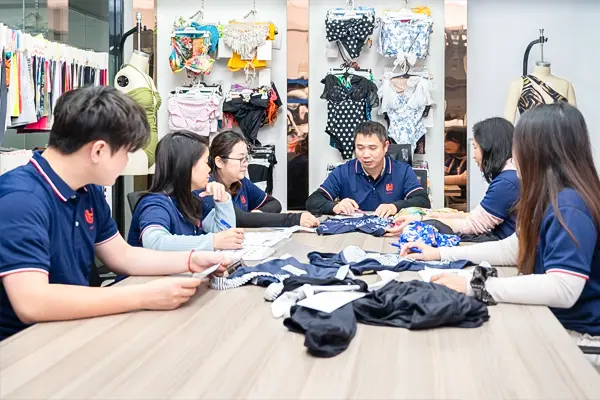
For brands looking for a reliable OEM swimwear partner, HW Swim Fashion combines over 20 years of swimwear manufacturing experience with flexible production support. From design development and pattern making to sampling, quality control, and final shipment, our team helps brands move from concept to finished products efficiently. We support low MOQ orders starting from 100 pieces, fast sample development, and streamlined production timelines to help emerging brands test new collections with lower inventory pressure. With BSCI certification and quality management experience, HW Swim Fashion focuses on consistent workmanship, responsive communication, and customized solutions for swimwear and activewear brands worldwide.
Start Fast, Reliable Swimwear Production
How Long Does OEM Swimwear Manufacturing Take?
A full OEM swimwear project usually takes 6–12 weeks from start to shipment. Expect bulk production alone to run 20–60 days after you approve the final sample.
Planning your launch requires a realistic view of the production calendar. The total time isn’t just about sewing; it includes development, approvals, material sourcing, and logistics. Depending on design complexity, material availability, sampling rounds, and shipping method, total lead time usually ranges from several weeks to a few months.
Timeline by Manufacturing Phase
The OEM swimwear schedule breaks down into four distinct stages. Each has its own timeline and potential for delays.
- Pre-Production & Quotation (1–3 Weeks): This is the initial setup. Your factory reviews your tech pack, quotes the job, and you handle contracts. If your specs are complete and you’re using standard materials, this phase moves quickly. Incomplete information or custom fabric choices will stretch it out.
- Sample Development & Fit (2–6 Weeks): This is often the longest part of pre-production. You’ll go through a few rounds: a proto sample to check the design, a fit sample to perfect it on a real person, and a final Pre-Production Sample (PPS). Each revision can take 7-14 days with shipping and feedback, so budget for at least two rounds.
- Bulk Production (4–8 Weeks): Once you approve the PPS and pay the deposit, the timeline becomes more predictable. Most factories need 30–60 days for a first mass production run. Reorders are much faster, often around 30 days, because the patterns and processes are already locked in.
- Shipping & Logistics (3–7 Weeks): The factory’s production clock stops when goods are ready to ship. Sea freight from Asia can add another 2–6 weeks, plus a week or so for customs clearance and warehouse receiving.
Factors That Influence the Schedule
Your production schedule isn’t set in stone. Certain choices you make can either accelerate the process or bring it to a crawl.
What Speeds Things Up:
- Using stock materials. Choosing the factory’s standard fabrics and trims can shave 1–4 weeks off the schedule.
- A clear tech pack. Providing complete, accurate specifications from the start reduces back-and-forth questions and sample revisions.
- Smaller MOQs. Small orders of 200-300 units can sometimes be finished in 3-4 weeks if designs are simple and fabrics are in stock.
- Placing a reorder. Repeat orders can be produced in about 30 days since all development work is already done.
What Slows Things Down:
- Custom fabrics or prints. Custom dyeing or developing new prints typically adds 2–4 weeks to the material sourcing calendar.
- High complexity. Intricate designs with many panels, special hardware, or complex construction require more time on the factory floor and increase the risk of rework.
- Peak season orders. Production schedules may become tighter during peak swimwear development seasons, especially when multiple brands prepare collections for upcoming selling periods. Ordering during this time can push lead times well beyond the standard 35–60 days.
- Extra certifications. If your product needs special lab tests or compliance certifications, expect the total timeline to extend to 10–14 weeks or more.
Common Production Mistakes Brands Should Avoid
Most swimwear production failures stem from vague specs, rushed sampling, and weak factory collaboration. Nailing down your tech pack and process is non-negotiable to avoid costly errors.
Inadequate Product Specifications and Material Vetting
The most common mistake is sending a factory an incomplete or vague tech pack. When brands rely on the manufacturer to “fill in the gaps,” they get inconsistent fits, misaligned prints, and substituted materials. Your tech pack must be a precise blueprint, defining everything from fabric composition and stitch types to elastic placement and Pantone colors. If it’s not in the document, don’t expect it in the final product.
Another major error is approving samples made from the wrong fabric. The fit and feel of a sample made with a substitute material mean nothing. The stretch, recovery, and weight of the final bulk fabric will behave differently, leading to sizing disasters. You must approve the Pre-Production Sample (PPS) only when it’s made with the exact bulk fabric and lining. Brands also fail by focusing on aesthetics over performance, choosing fabrics for softness while ignoring their resistance to chlorine, saltwater, and UV light. Poor-quality elastics may affect garment recovery, comfort, and long-term product performance, which can negatively impact customer satisfaction.
Finally, poor size grading creates a cascade of problems. A sample might fit your fit model perfectly, but if the grading rules are borrowed from T-shirts, the fit will be inconsistent across your size range. Vague feedback like “make it tighter” is useless. You need a clear fit policy and swimwear-specific grading rules for bust, hip, and torso length to ensure customers don’t find that a size M in one style fits like an S in another.
Poor Process Management and Factory Collaboration
Choosing a manufacturer without relevant swimwear experience can create production challenges. A general garment factory that doesn’t specialize in swimwear won’t have the right machinery or expertise for high-stretch fabrics. This results in puckered seams, heat damage from incorrect pressing, and general low quality. Vet your factory to ensure they live and breathe swimwear or activewear, and ask to see examples of their work with stretch fabrics.
Many brands try to save time by compressing or skipping sampling stages. This is a false economy. Rushing past proto, fit, and pre-production samples to get to bulk faster almost guarantees you’ll find major problems when it’s too late and too expensive to fix them. Swimwear requires more sampling rounds than basic apparel to test fit, function, and performance when wet. Treat sampling as a critical investment, not a cost to be minimized.
Weak communication and a non-existent quality control structure will undermine even the best designs. You cannot assume a factory understands your quality standards. You must define them with an AQL, defect definitions, and testing requirements for things like colorfastness and elastic recovery. Don’t rely on the factory’s internal QC alone. Establish a clear communication framework, document all approvals, and conduct your own checks or hire a third party for final inspection. Clear inspection standards, documented approvals, and consistent QC procedures help ensure the final products match the approved specifications.
Frequently Asked Questions
What is the OEM swimwear manufacturing process?
The OEM swimwear manufacturing process is a multi-stage workflow that transforms a buyer’s design into finished products sold under their brand. It starts with defining requirements through a tech pack, followed by costing, pattern making, and creating samples for fit approval. Once a sample is approved, the factory plans production, inspects and cuts bulk fabric, and assembles the garments. Quality is checked throughout, with a final inspection before the swimwear is finished, packaged, and shipped.
How long does it take to manufacture custom swimwear?
Manufacturing custom swimwear typically takes about 8 to 12 weeks from the initial design brief to having the finished goods ready to ship. This timeline can be shorter, around 6 to 8 weeks, for simple styles using stock fabrics. For more complex orders involving custom materials or new patterns, the process can extend to 10 to 14 weeks. This total time includes sampling, fabric sourcing, bulk production, and quality control.
What happens after approving a swimwear sample?
After you approve a swimwear sample, it becomes the official production standard. This approval triggers several key actions. You confirm the final order quantity and make a deposit. The factory then orders all the bulk materials like fabric and trims. While materials are arriving, the approved pattern is graded for all sizes. Once materials are ready, the factory begins cutting the fabric and assembling the swimwear. Quality checks happen throughout this process to ensure the final products match the approved sample.
How many samples are needed before production?
You typically need 2 to 5 samples per style before starting bulk production. The process usually begins with a ‘proto sample’ to check the basic design. This is followed by one or more ‘fit samples’ to adjust the pattern for a perfect fit. The final stage is the ‘pre-production (PP) sample,’ which is made with the exact bulk materials and serves as the final approval standard for the entire order. A clear tech pack can reduce the number of samples needed.
What is a swimwear tech pack?
A swimwear tech pack is the master blueprint for a style. It is a detailed document that gives the factory all the instructions needed for manufacturing. It includes technical drawings, a complete list of materials (Bill of Materials or BOM), measurement charts for each size, construction details like stitch types, and specifications for colors, prints, labels, and packaging. A complete tech pack is essential for getting accurate pricing and consistent, high-quality production.
Why is pattern making important in swimwear?
Pattern making is critical in swimwear because it directly controls the fit, comfort, and support of a garment that needs to hug the body and perform in water. Swimwear patterns are designed with ‘negative ease,’ meaning they are smaller than the body and rely on fabric stretch to fit securely. An accurate pattern ensures the swimsuit provides proper coverage, doesn’t sag when wet, and that the fit is consistent across all sizes. Without a good pattern, even the best sewing can’t fix fundamental fit problems.
How do swimwear manufacturers control quality?
Swimwear manufacturers control quality through a system that starts before production and continues until shipment. It begins with pre-production controls, where incoming fabrics and trims are inspected and tested for performance like chlorine resistance. The sampling process then locks in the fit and construction standards. During production, in-line inspections check workmanship at various sewing stages. Finally, a thorough final inspection is conducted on finished garments to verify measurements, appearance, and packaging.
What is the MOQ for OEM swimwear production?
The MOQ for OEM swimwear production depends on the manufacturer, fabric selection, design complexity, and customization requirements. For many swimwear factories, MOQ is usually calculated per style and color. Using standard fabrics and existing materials can help brands start with a lower MOQ, while custom fabrics, prints, and complex designs may require higher quantities.
How does swimwear production differ from normal apparel?
Swimwear production differs from normal apparel mainly because of its functional requirements for water and sun exposure. It uses highly specialized stretch fabrics with a high elastane content (18–22%). Patterns are drafted with ‘negative ease’ to ensure a snug fit that doesn’t sag when wet. The construction involves specific stretch-friendly stitches, and all trims like elastics and hardware must be chlorine-resistant. Quality testing is also more rigorous, focusing on performance in water and UV light.
What causes delays in swimwear production?
Delays in swimwear production are often caused by issues in the pre-production and approval stages. Common culprits include slow approvals of samples, color samples (lab dips), or print proofs. Sourcing custom fabrics or trims can also add significant time. If a fit sample reveals major issues, the pattern may need to be reworked, leading to another round of sampling. Any design changes after production has started or a failure in quality control can also halt the process.
Final Thoughts
Success in swimwear manufacturing depends on discipline, not shortcuts. The structured process outlined—from a precise tech pack to final inspection—is your primary defense against costly errors and brand damage. Bypassing these steps is a direct risk to your investment.
You have the blueprint; the next move is execution. Don’t guess on a manufacturing partner. Contact our team to review your designs and build a production strategy that delivers on quality.