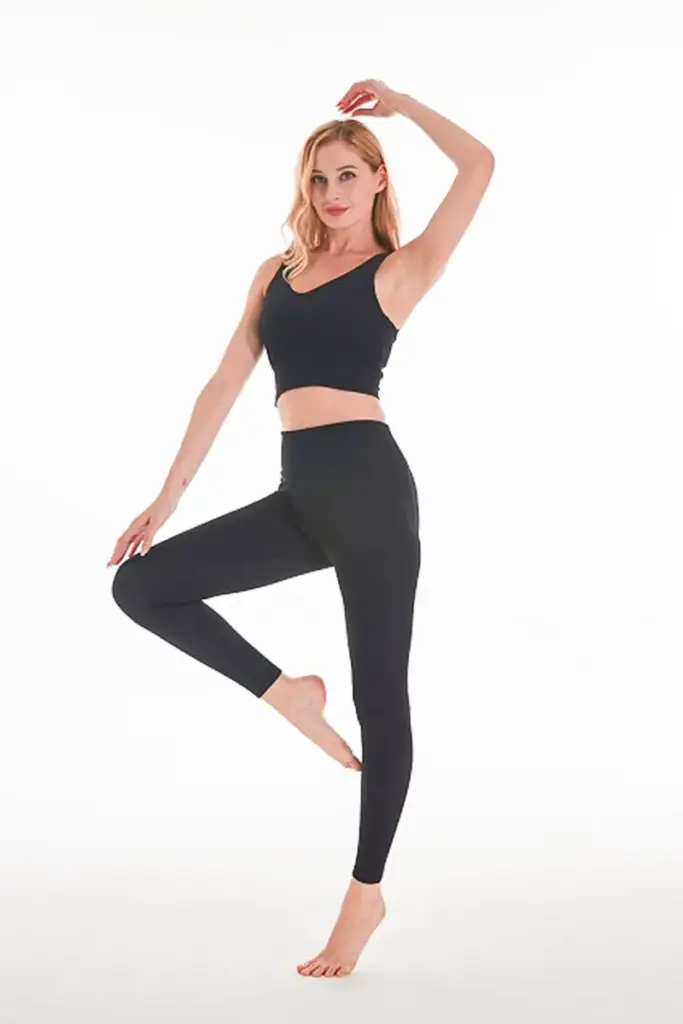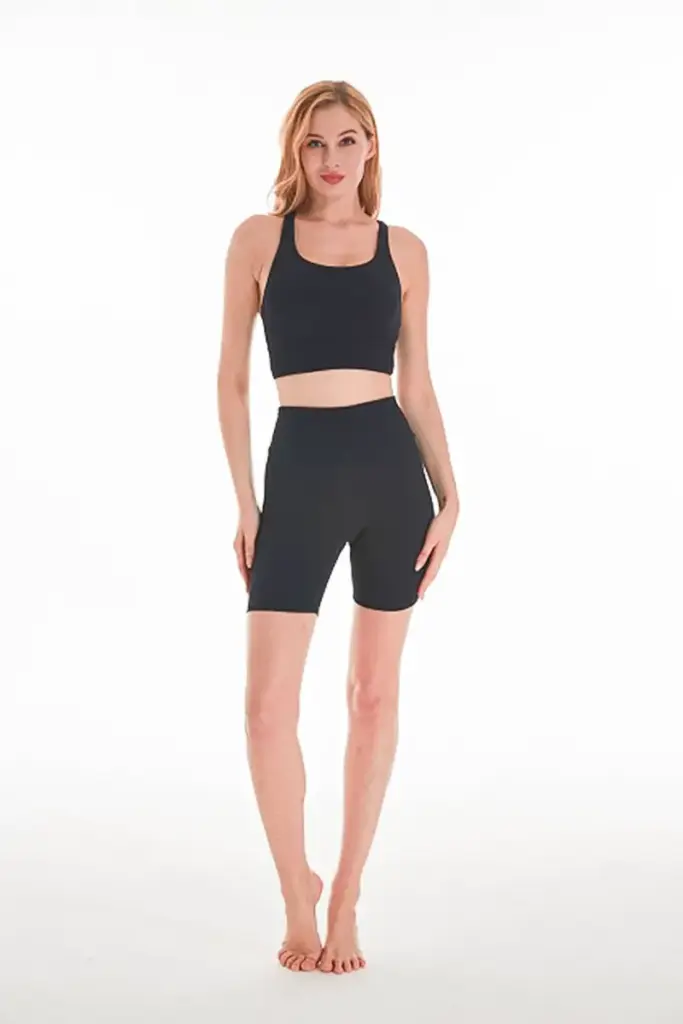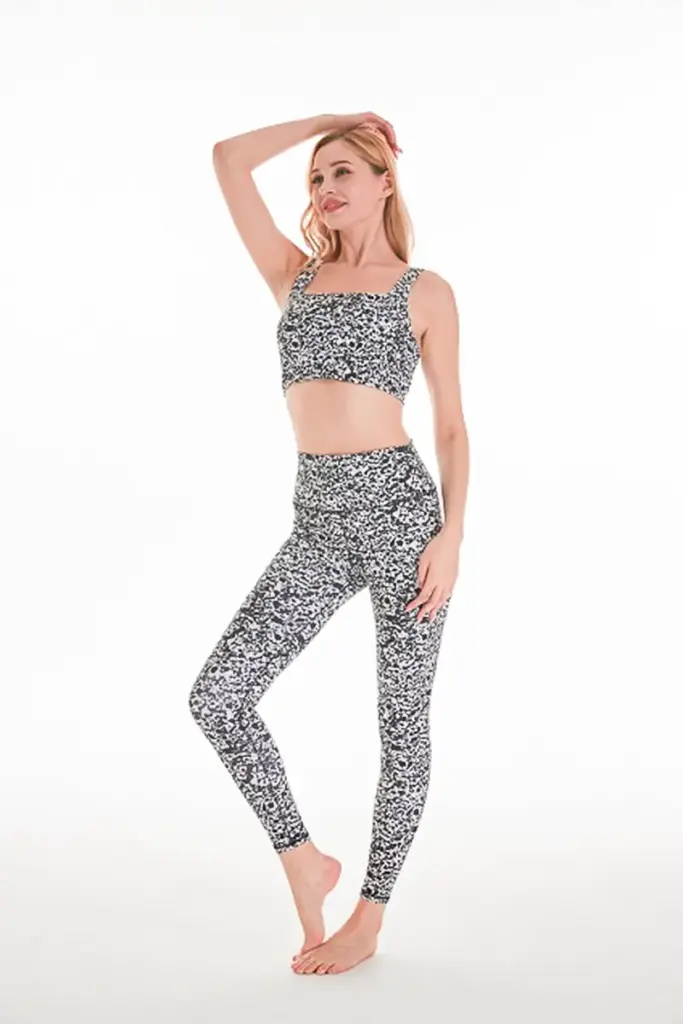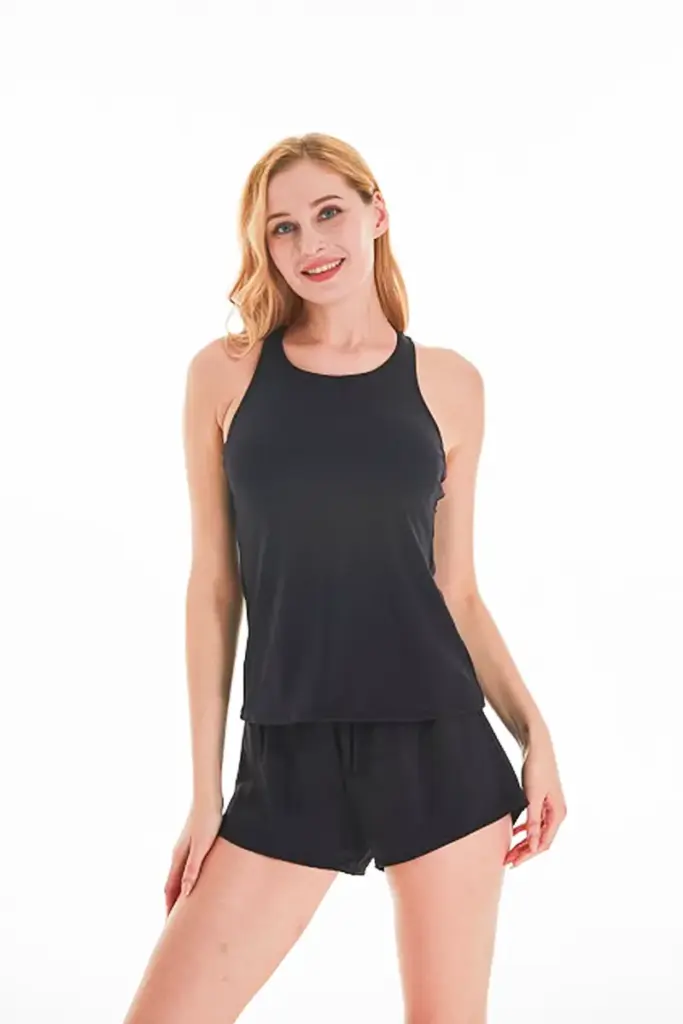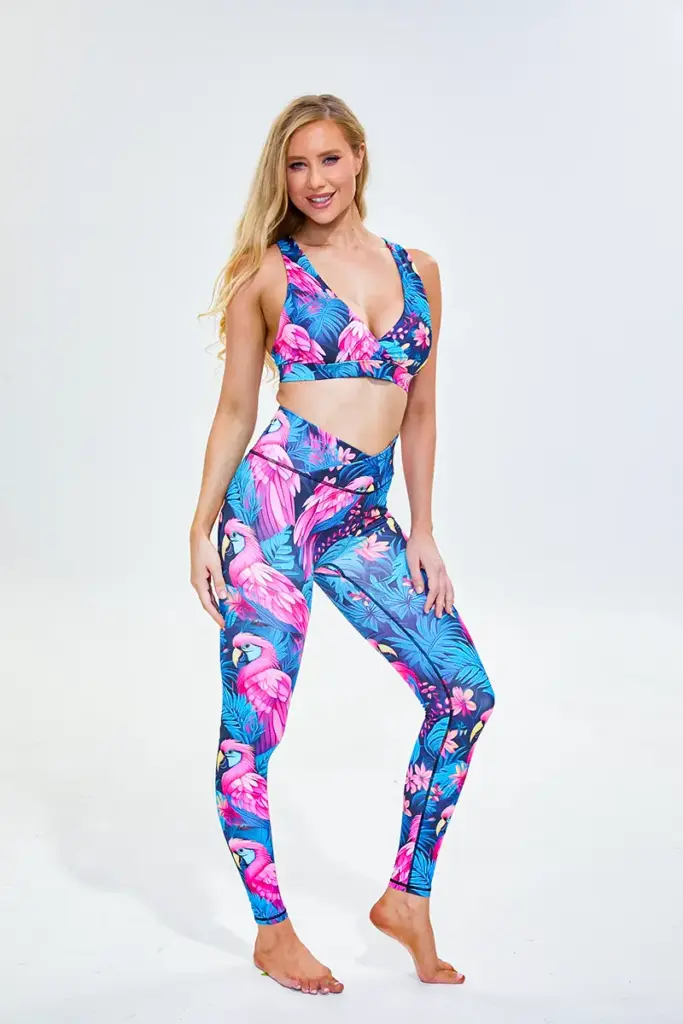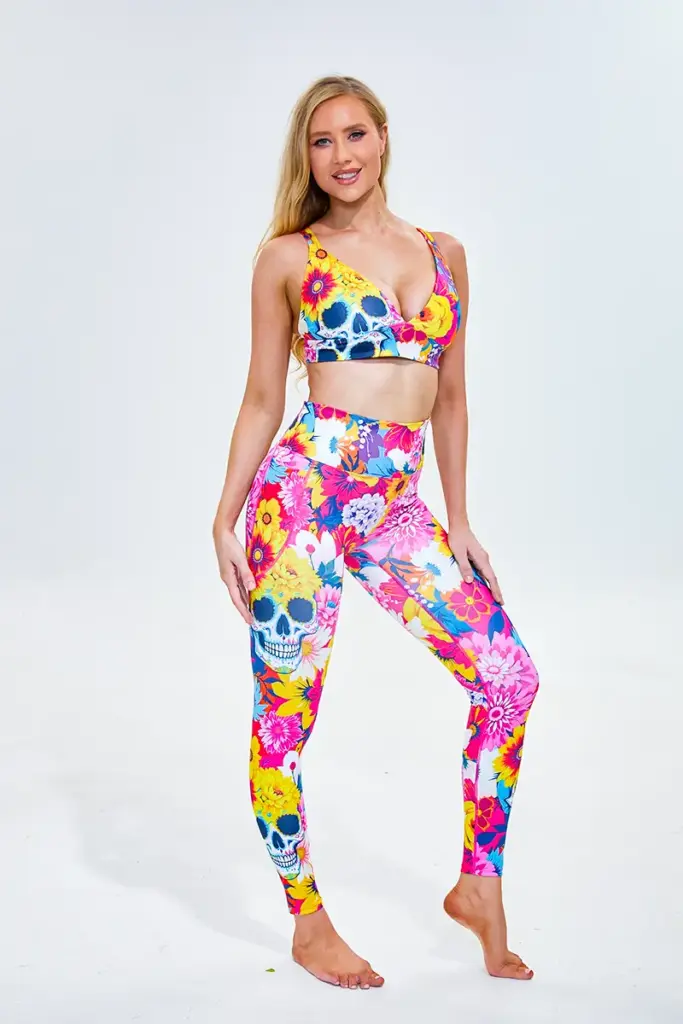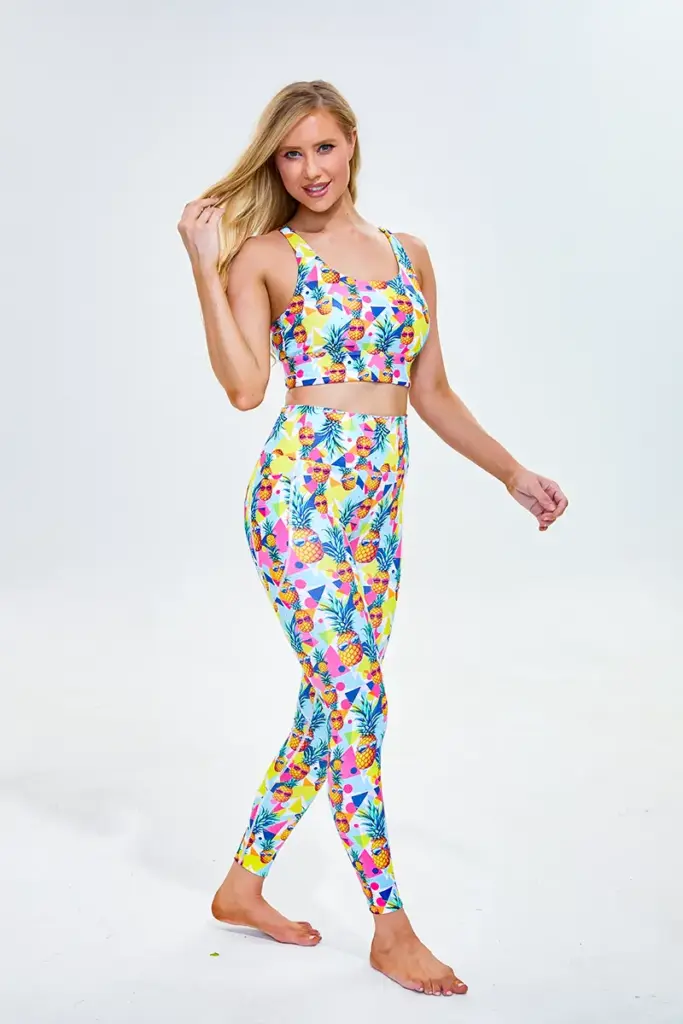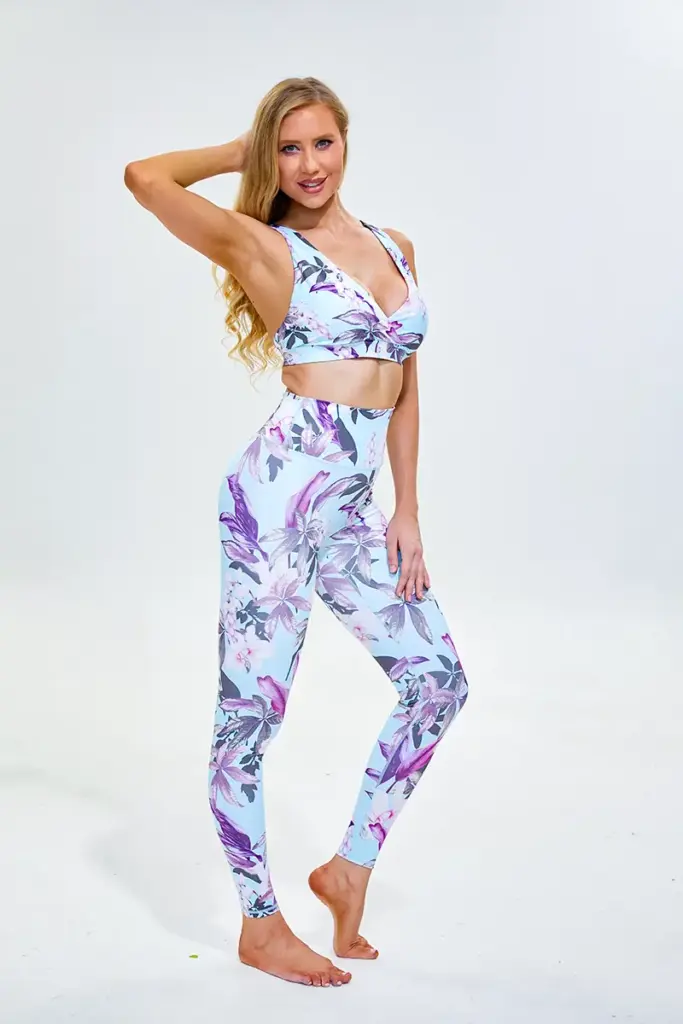
Swimwear trends are evolving faster than ever, shaped by changing consumer lifestyles, sustainability goals, and advances in fabric technology. If you are planning a new collection, understanding what will resonate with buyers in 2026 can help you make smarter design and sourcing decisions. From minimalist silhouettes and textured fabrics to performance-driven materials and versatile swim-to-street styles, the upcoming season offers exciting opportunities for brands looking to stay ahead of the market.
Sustainable Swimwear Materials
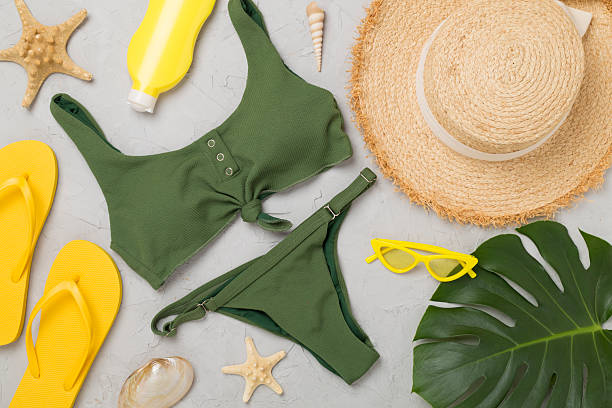
Recycled fabrics adoption
Brands prioritize recycled polyester sourced from plastic bottles because it delivers essential chlorine resistance, vibrant print capability, and quick-dry performance. This approach diverts waste from oceans and landfills while preserving the elasticity required for form-fitting silhouettes.
- Regenerated nylon: Manufacturers utilize ECONYL®, recovering raw materials from discarded fishing nets, carpets, and textile waste streams.
- Performance blending: Producers blend recycled synthetics with standard elastane to maintain stretch and fit retention.
- Fiber limitations: Fully natural-fiber construction remains impractical for high-performance aquatic wear.
Bio-based textile innovations
To reduce industry reliance on fossil fuels, suppliers develop plant-based polyamides as direct alternatives to conventional petroleum-based nylon. Material scientists also apply CiCLO® technologies to synthetic swim fabrics, enhancing biodegradation at the end of the garment’s lifecycle.
- TENCEL™ Lyocell: Designers integrate this fiber into lifestyle swim capsules, leveraging closed-loop production systems to lower environmental impacts during sourcing.
- Natural fiber restrictions: Brands limit organic cotton and hemp to trims or linings, as these materials absorb water quickly and lack necessary fit recovery.
Eco-friendly dyeing processes
Facilities adopt waterless dyeing techniques to cut water consumption drastically and eliminate toxic chemical discharge compared to standard wet processing. Factories also implement closed-loop water recycling systems to capture and reuse wastewater, which improves resource efficiency during textile production.
- Low-impact dyes: Vendors apply these solutions to support the bright, saturated color palettes standard in 2026 swimwear design while minimizing ecological burdens.
- Strict certifications: Supply chains rely on GOTS, Bluesign®, and OEKO-TEX to validate ethical production claims and verify chemical safety across all manufacturing stages.
Minimalist Swimwear Designs
| Design Element | Key Features | Primary Benefit |
|---|---|---|
| Clean Silhouettes | Sculpted one-pieces, high-leg bottoms | Cross-functional beach-to-city wear |
| Neutral & Muted Tones | Cocoa, olive, sand, black, white | Capsule packing and outfit coordination |
| Reduced Decoration | No hardware, smooth surfaces | Highlights fabric quality and pattern cutting |
Clean silhouettes
Designers in 2026 prioritize streamlined cuts and body-skimming tailoring. This approach creates clean, uninterrupted lines down the torso and hips by bypassing extra seams and bulky panels. The market favors these specific shapes:
- Simple triangle tops: Stripped of unnecessary ties or structural bulk.
- Sculpted one-pieces: Engineered for support without relying on visible paneling.
- High-leg bottoms: Cut to visually lengthen the leg profile.
These seasonless shapes transition directly from the beach to the city. Consumers increasingly wear them as functional bodysuits or bralettes under tailored clothing.
Neutral and muted tones
Color palettes shift away from loud neons and busy prints. Brands project a calm, quiet luxury mood by selecting soft, desaturated shades. The 2026 collections emphasize a tight range of core colors:
- Rich earth tones: Cocoa, olive, and soft sand dominate the new neutral space.
- Classic anchors: Black and white remain standard for minimal, high-end lines.
These solid-color blocks coordinate easily with linen shirts and tailored shorts. This color strategy directly supports capsule packing and cross-destination wearability for buyers planning resort trips.
Reduced decorative elements
Minimalist lines eliminate flashy statement hardware. Modern swimwear relies entirely on simple ties and clean elastic edges to hold the garment together. Designers swap out busy textures for completely smooth surfaces, rejecting elements that add visual clutter.
- No heavy embellishments: Embroidery, ruching, and frills are removed.
- Unbroken profiles: Decorative cutouts vanish to maintain a tailored silhouette.
Stripping away this decoration forces a shift in product value. The focus lands strictly on high-quality fabric performance, secure straps, and expert pattern cutting.
Launch Premium Swimwear With Low MOQs
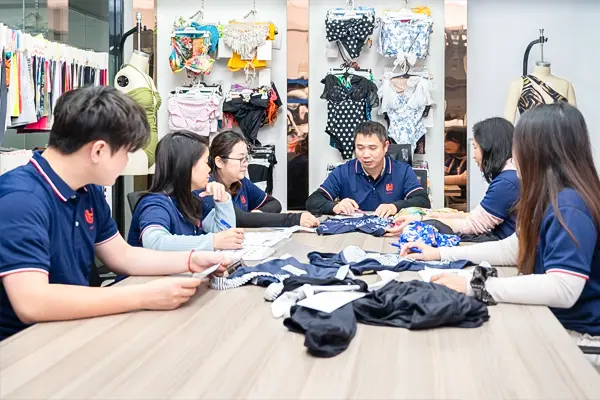
Bold Colors and Prints

Vibrant solid colors
Designers prioritize dopamine brights like Flame Scarlet, Pink Glo, and Acid Lime to elevate high-impact minimal and sporty silhouettes. Green emerges as the hero solid for 2026, ranging from neon apple to pistachio and deep emerald to capture immediate attention. Rich berry pink, Bordeaux, and warm statement hues push resort wear collections into a glamorous aesthetic perfectly suited for premium beach clubs.
Digital-inspired graphics
Swimwear visuals now borrow heavily from screen culture. Kinetic brights and acidic colors create backlit, screen-glow effects across ombrés, stripes, and geometric layouts. High-contrast graphic designs update classic stripes and introduce clean, UI-inspired paneling to minimalist and sporty suits. Digitally manipulated abstract art and high-resolution boho motifs transform traditional patterns into wearable digital art.
Nature and abstract patterns
Traditional natural motifs receive a high-energy update for 2026. Tropical and palm prints anchor resort collections using bright aqua, coral, and sunset tones applied to clean, modern silhouettes. Animal patterns return with bold recoloring, featuring berry leopard and neon snakeskin as glamorous statement pieces. Oceanic narratives introduce seafoam blues, marine hues, and water-inspired abstractions like wave forms and ripples.
Retro-Inspired Swimwear
90s and early 2000s revival
Muted palettes like chocolate brown, navy, and butter yellow drive the refined 90s minimalist trend through sleek, body-skimming silhouettes. Brands use these understated tones to capture the current demand for quiet, wearable aesthetics. At the opposite end of the spectrum, the Y2K surf girl aesthetic introduces double bikini layering. This styling setup allows consumers to pair contrasting triangle tops for a vibrant, pop-driven look that naturally increases units per transaction.
We also see retro-modest cuts gaining serious traction. Fuller briefs, boy-shorts, and squared tank one-pieces quickly replace hyper-skimpy styles, giving buyers reliable coverage while maintaining a strong fashion identity.
High-cut leg designs
Sculptural one-pieces and side-tie string briefs utilize high-cut leg openings to visually elongate the leg and emphasize the waist. To ensure these styles remain commercially viable, designers balance higher front rises with moderate cheek or classic brief back coverage, deliberately shifting away from extreme minimal cuts.
Executing this high-cut fit across diverse body types requires precise structural engineering:
- Strategic grading: Adapts the pattern dynamically to match different torso proportions.
- Power mesh: Adds targeted internal shaping and stability to core areas.
- Specialized elastic: Secures leg openings to ensure a consistent fit and prevent rolling during movement.
Vintage detailing and textures
Softer palettes refresh retro prints like polka dots, nautical stripes, and micro florals, connecting directly to mid-century Riviera glamour. Contrast trims aggressively frame necklines and leg openings, echoing 70s sportswear and vintage athletic swim styles for a crisp, tailored finish.
Brands reject heavy, impractical embellishments in favor of functional surface interest and structural hardware:
- Textured surfaces: Swim-friendly crochet, embossed jacquards, and glossy finishes sit over performance-driven nylon blends to add visual depth.
- Structured support: Balconette tops and underwired bikinis deliver reliable bust support while directly referencing classic 1950s lingerie silhouettes.
Functional and Sport-Inspired Styles
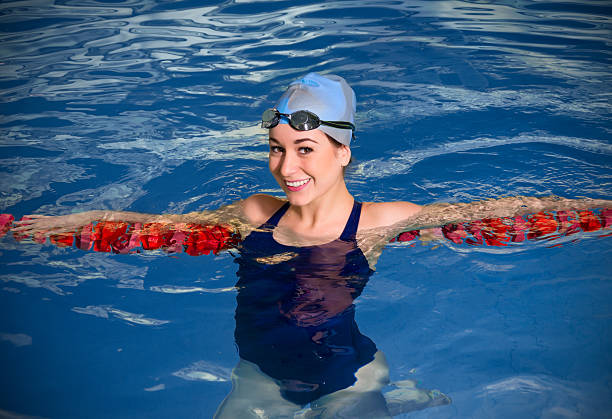
Athletic support structures
Active consumers demand swimwear that stays in place. The industry is shifting focus toward engineered support systems that enable movement without sacrificing fit.
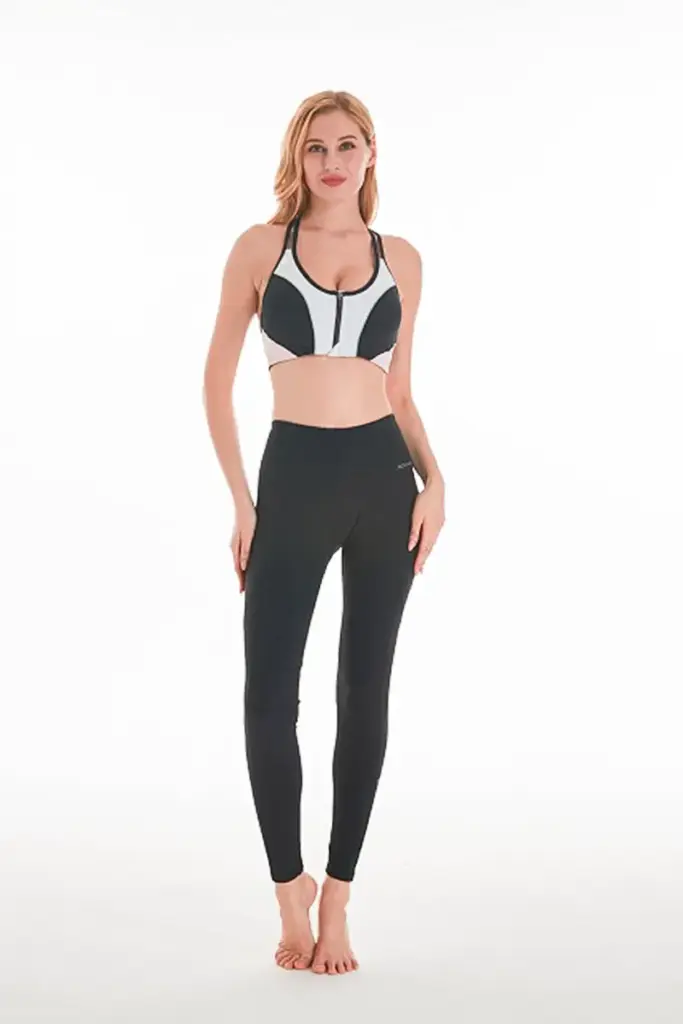
- Bra-style engineering: Underwire and built-in shelf bras redistribute weight to deliver reliable support. Zip-front one-pieces complement this by offering adjustable coverage and a technical look.
- High-coverage cuts: Sport-crop tops and high-waisted bottoms utilize wider shoulder straps and racerback constructions to prevent shifting and spillage during dynamic movement.
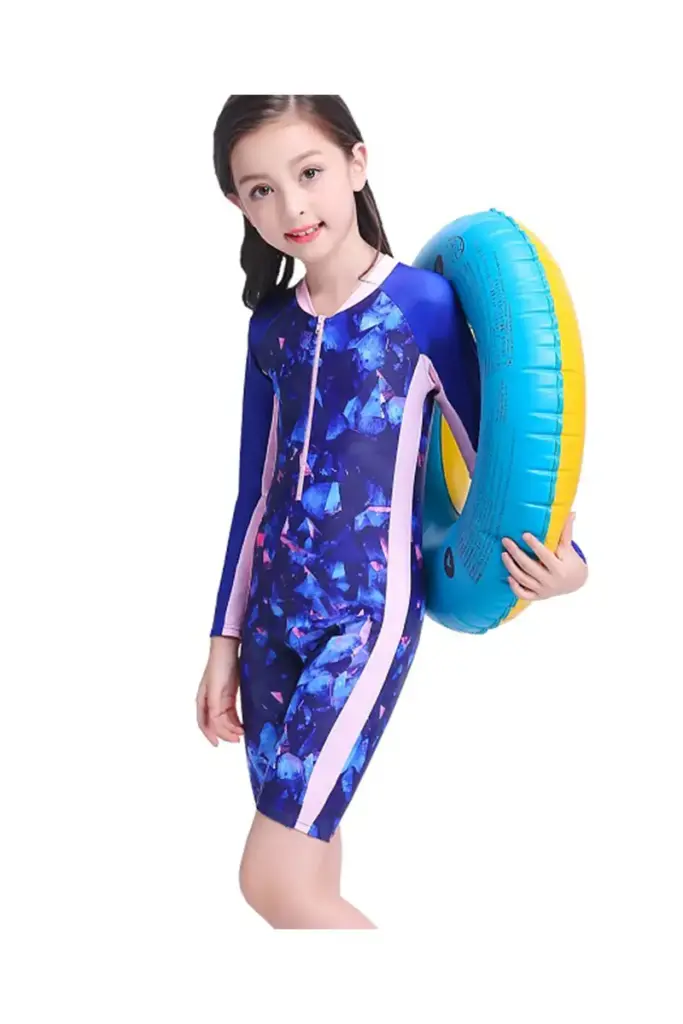
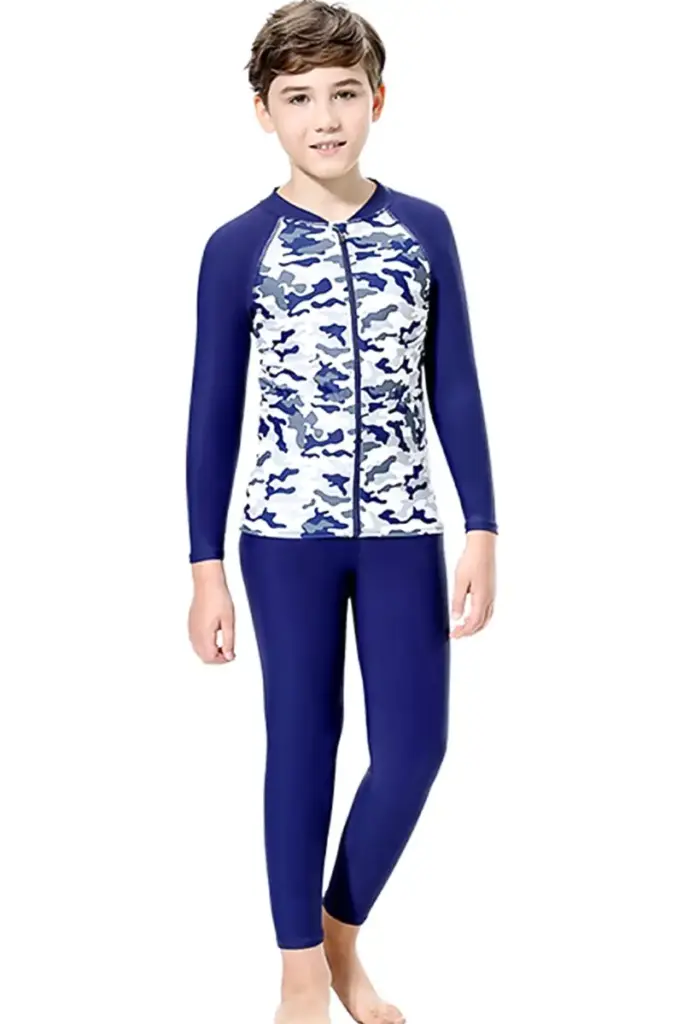
- Protective silhouettes: Rash-guard blocks and long-sleeve two-piece sets provide athletic sun protection and structural security for surfing or lap swimming.
Performance swim fabrics
Design fails if the material cannot handle the environment. Technical textiles now form the strict baseline for functional swimwear production.
- Moisture management: Quick-dry and moisture-wicking capabilities pull sweat and water away from the skin, ensuring a smooth transition from water to land without clinging.
- Compressive recovery: High-recovery fabrics provide muscle support and shape retention. This secures the fit and eliminates the need for bulky padding.
- Tactile blends: Chlorine-resistant and UV-protective nylon-polyamide blends pair with smocked or ribbed surfaces to add physical grip and visual dimension to the garment.
Hybrid swim-activewear pieces
Shoppers expect versatile, long-wear collections that adapt across swimming, fitness routines, and leisure settings. The hard line separating activewear from swimwear no longer exists.
- Multi-use tops: Sport-crop bikini tops function as sports bras for light-impact workouts.
- Bodysuit crossover: Sculptural one-pieces double as bodysuits when paired with skirts or shorts.
- Utility detailing: Contrast binding, color-blocked panels, and functional zippers merge athletic utility directly with resort aesthetics.
Fabric Innovation in Swimwear
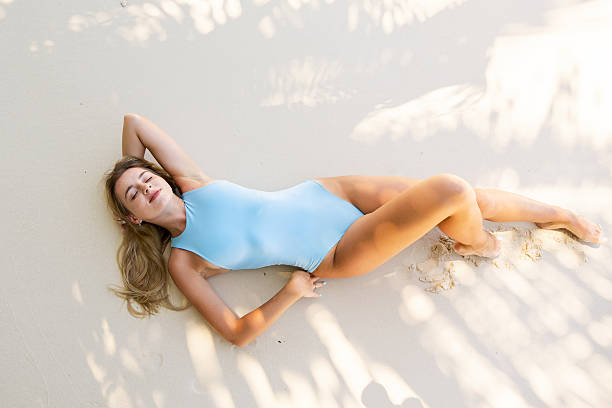
Ultra quick-dry materials
Recycled polyester microfibers and nylon-spandex blends dominate 2026 swimwear collections. These fibers provide essential hydrophobic properties that ensure rapid moisture evaporation. We see manufacturers engineering high-gauge tricots and textured knits—like ribbed and crinkle constructions—to drain water quickly without sacrificing tactile appeal.
To speed up drying times and protect the garment, brands rely on fluorine-free durable water repellent (DWR) systems. These treatments cut down on staining and fabric degradation, extending the life of the suit. Hybrid swim-to-street designs also incorporate wicking finishes on inner linings. This keeps the wearer’s skin dry as they transition from water activities to everyday apparel.
Enhanced stretch recovery
Swimwear requires precise recovery power to stop bagging and sagging after repeated use. High-performance elastane systems now make up 15% to 25% of the fabric blend to deliver this exact capability. Four-way stretch constructions offer uniform elasticity, which proves critical for supporting structured minimalist designs, asymmetrical necklines, and bold hardware accents.
For high-impact water sports, zonal compression knits contour the body and secure the fit while maintaining full freedom of movement. Fabric mills also prioritize chlorine-resistant and regenerated elastane fibers. These materials sustain a close fit across multiple seasons, directly supporting broader industry sustainability targets through longer product lifecycles.
UV-protective textiles
Sun safety dictates fabric choices for long-sleeve styles and rash guards. Dense warp knits and compact fabric structures naturally limit sun penetration, delivering high UPF ratings right off the loom. Designers complement this by utilizing deep color palettes and UV-absorbing yarn additives to block harmful rays, eliminating the need for heavy chemical coatings.
Multifunctional finishes blend this UV protection with quick-dry capabilities to create lightweight fabrics suitable for all-day outdoor wear. Across the supply chain, brands prioritize clean chemistry. They reference strict certifications like Bluesign and GOTS to verify responsible processing and guarantee the safety of their sun-protective gear.
Frequently Asked Questions
What swimwear styles will dominate in 2026?
In 2026, you’ll see minimalist silhouettes, textured fabrics, and modern retro influences leading the market. Sculpted one-pieces, underwire bikini tops, and high-waisted bottoms remain key styles, while sporty swimwear continues expanding into everyday fashion.
Which colors and prints are trending in swimwear for 2026?
Color trends move in two directions: sophisticated earth-tone neutrals and vibrant athletic-inspired brights. Blue is emerging as a versatile new neutral, while micro-prints, retro florals, and refined animal patterns bring visual interest without overwhelming designs.
What sustainable materials are used in modern swimwear?
Most sustainable swimwear uses recycled nylon and polyester to maintain stretch, durability, and chlorine resistance. You’ll also find regenerated fibers like TENCEL™ Lyocell and innovative materials made from reclaimed plastics and renewable resources.
How is technology improving swimwear performance and comfort?
Advanced fabrics now offer enhanced UV protection, chlorine resistance, and shape retention. Features such as four-way stretch, seamless construction, and targeted compression help improve comfort, support, and freedom of movement throughout the day.
How should brands plan their swimwear collections for 2026 trends?
To stay competitive, you should build collections around versatile core styles in neutral colors. Adding trend-focused capsules, inclusive sizing, and swim-to-street pieces helps attract diverse customers while keeping your assortment commercially balanced.
Final Thoughts
As swimwear continues to evolve, the strongest 2026 collections will balance timeless appeal with innovation. Minimalist silhouettes, textured fabrics, performance-driven materials, and versatile swim-to-street designs are shaping consumer demand across global markets. Brands that combine trend awareness with quality construction will be better positioned to create products that remain relevant beyond a single season.
Turning these trends into successful products requires the right manufacturing partner. HeWang Fashion helps brands develop custom swimwear collections through flexible OEM services, professional sampling, and reliable production support. Whether you are launching a new label or expanding an existing range, our team can help bring your vision to market efficiently and confidently. Contact HeWang Fashion today to start developing your 2026 swimwear collection.