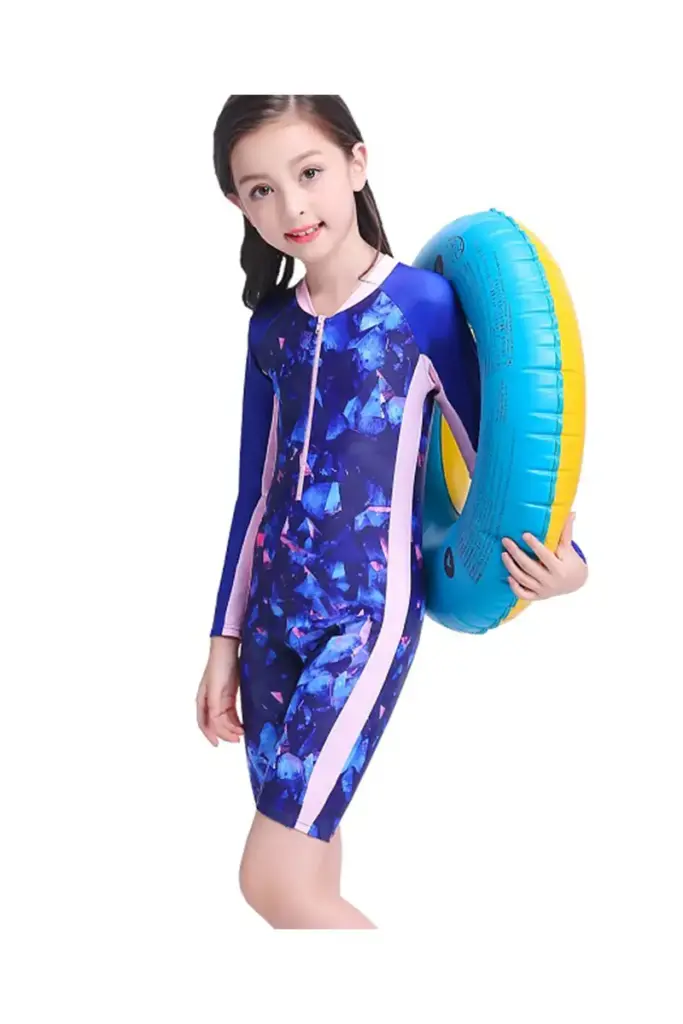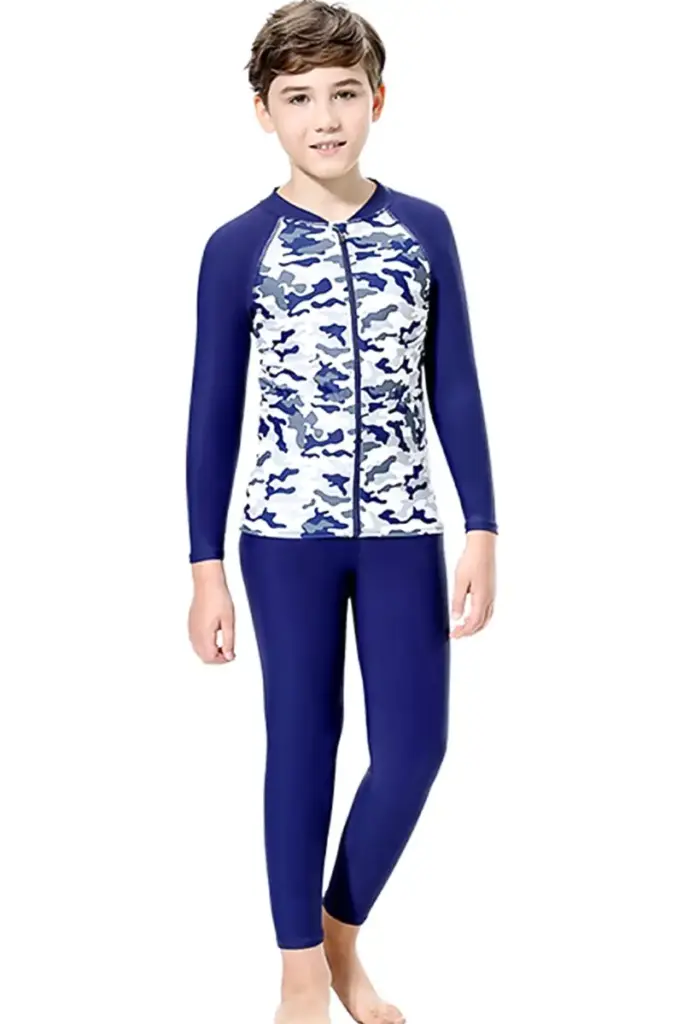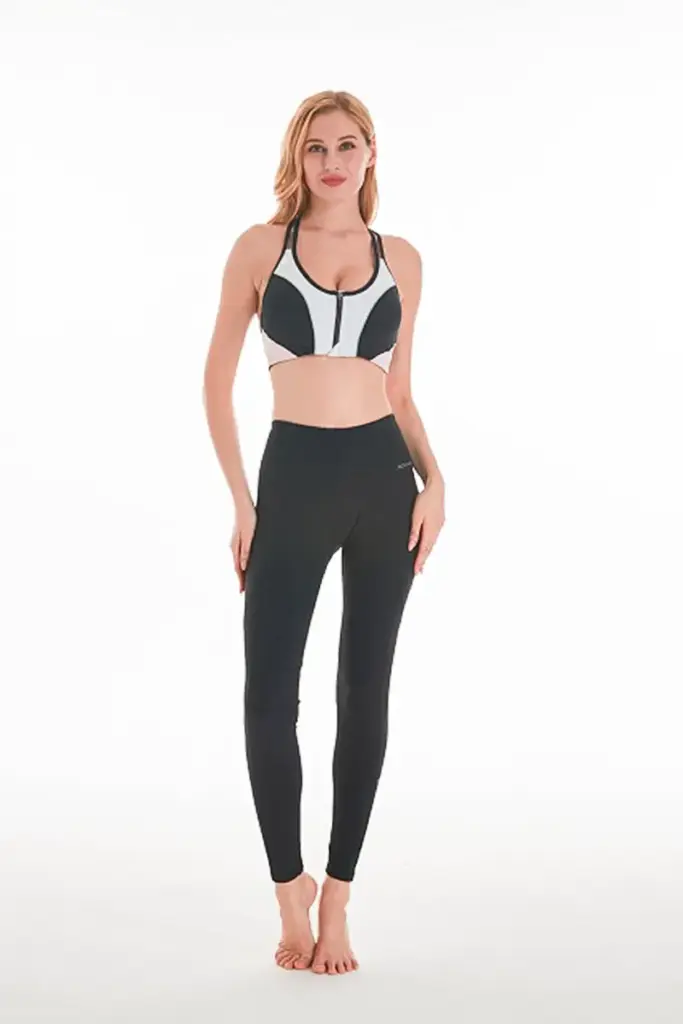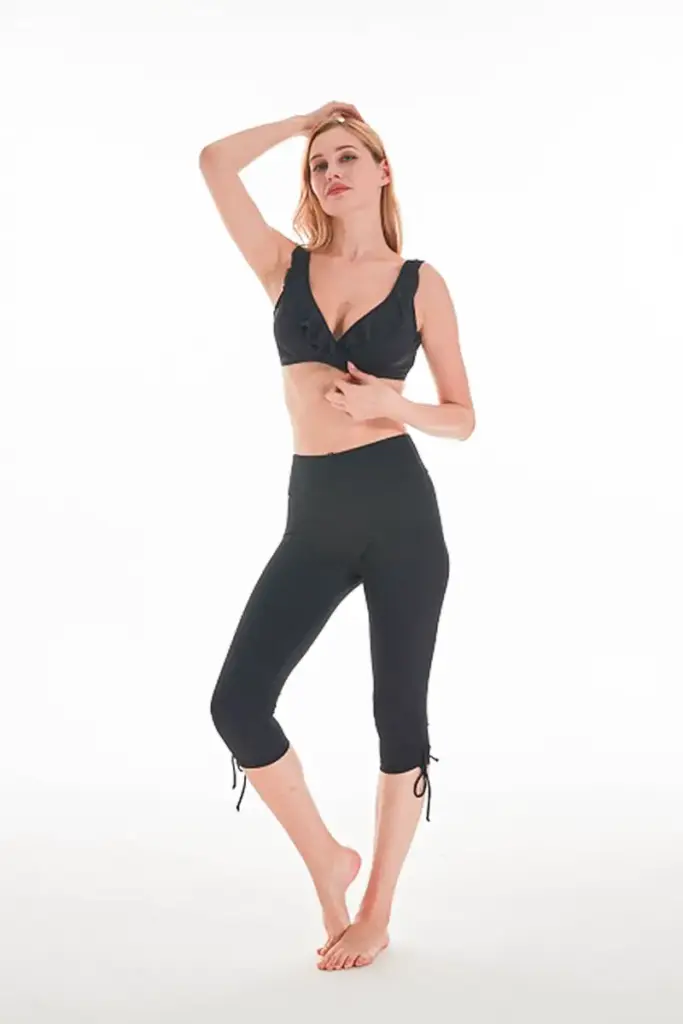
When comparing a bathing suit and a bikini, people usually mean a one-piece bathing suit versus a two-piece bikini. The choice between the two can affect a swimwear brand’s product mix, positioning, and sales potential. Bikinis have shown strong recent growth, while one-piece styles continue to offer a stable option for performance and coverage-focused collections. Understanding the differences between the two can help brands make better decisions about design, production, and inventory.
This comparison goes beyond appearance and focuses on fit, coverage, comfort, fabric, construction, and typical use cases. For swimwear brands, these differences can also influence how they develop and balance their product collections.
Bathing Suit vs Bikini: Understanding the Basics

In everyday use, “bathing suit” is a broad term for swimwear, while a bikini specifically refers to a two-piece style. However, when people compare a bathing suit with a bikini, they are usually referring to a one-piece bathing suit versus a two-piece bikini.
Core Definitions of Each Style
A bathing suit is a general term for any garment made for swimming. This broad category includes everything from one-pieces and tankinis to bikinis. In modern language, “bathing suit” and “swimsuit” are essentially synonyms for the same family of apparel.
While it can describe any swimwear, people often use the term “bathing suit” to specifically mean a one-piece. This classic style is a single garment that provides full coverage for the torso, from the chest down to the hips.
A bikini is always a two-piece swimsuit. It has a top piece that covers the breasts and a separate bottom piece for the pelvic area, with different types of bikinis offering different levels of coverage, support, and styling. Its defining feature is the exposed midriff between the top and bottom.
How the Terms Relate
Thinking about the relationship is simple: a bikini is a specific type of bathing suit. This means every bikini you see is technically a bathing suit, but not every bathing suit is a bikini. The category also includes other styles like one-pieces and tankinis.
You will often hear the words “bathing suit” and “swimsuit” used interchangeably. The term you hear might depend on where you are or who you’re talking to, as usage can vary by region and generation.
The primary difference between a bikini and a one-piece bathing suit is their construction. It’s all about being made of one piece versus two. The fabric is not a differentiator, as both styles use similar quick-drying, stretchy materials like nylon and spandex blends.
Bikini vs Bathing Suit: Coverage and Design Differences
The easiest way to tell the two styles apart is by their construction and the amount of torso coverage they provide. A bikini is a two-piece swimsuit with a separate top and bottom that exposes the midriff. In contrast, a bathing suit, particularly a one-piece style, is a single garment that covers the entire torso.
Core Design: Two-Piece vs. One-Piece Construction
A bikini is fundamentally defined by its two-piece construction, which consists of a separate top and bottom. This design intentionally leaves the midriff exposed, creating a distinct silhouette. A bathing suit, especially in its common one-piece form, is a single, connected garment that covers the torso from the chest to the hips. While both styles come in countless variations, like triangle or bandeau tops for bikinis and classic or monokini styles for one-pieces, the structural difference between one piece of fabric versus two remains the core distinction.
Coverage Levels: Abdomen and Back Exposure
Coverage is another practical difference. Bikinis leave the midriff exposed, while one-piece styles cover the torso and can provide a more secure feel during movement. Bikinis generally provide minimal coverage, exposing the abdomen and often large portions of the back and sides. This makes them a popular choice for reducing tan lines. One-piece bathing suits offer fuller torso coverage, completely concealing the stomach and waist. This more secure and covered fit is often preferred for activities where you want the suit to stay in place, like swimming laps or playing at a water park.
| Feature | Bikini | One-Piece Bathing Suit |
|---|---|---|
| Structure | Two separate pieces (top and bottom) | A single, continuous garment |
| Torso Coverage | Midriff is exposed | The entire torso is covered |
| Common Goal | Minimal tan lines, fashion styling | Secure fit for activity, full coverage |
Launch Premium Swimwear Collections Faster

Bathing Suits vs Bikinis: Support and Comfort Factors
One-piece bathing suits generally provide higher overall support and a more secure feeling. Bikinis offer greater flexibility and situational comfort, with support that depends entirely on the design of the top.
One-Piece Bathing Suits: Focusing on Overall Support and Security
Because the garment covers the torso as one piece, a well-fitted one-piece can feel more secure during movement. Depending on the design, it may also include shelf bras, molded cups, underwire, or power-mesh panels for additional support.
Some one-piece styles also use molded cups, underwire, shelf bras, or power-mesh panels to improve bust support and overall fit. Tummy-control construction can provide additional shaping where required by the design.
Because the garment forms one continuous body section, a well-fitted one-piece is generally less likely to shift or come undone during movement. This makes it a great choice for active days, from swimming laps to playing water sports, giving you confidence that everything will stay in place.
Bikinis: Balancing Flexible Support with Situational Comfort
With a bikini, much of the upper-body support comes from the top, while the bottom’s waistband, rise, and leg openings also affect overall fit and security. The level of security can range from minimal in a classic triangle style to highly structured in a top with underwire and molded cups. A simple triangle top may work well for lounging, while an underwired or molded-cup top can offer more support for active use.
Bikinis offer a unique comfort advantage: you can mix and match sizes, while swimwear cup sizes can provide a more precise fit for styles designed with additional bust support. If you need a different size for your top and bottom, this customization ensures a better, more comfortable fit for your specific body proportions.
For lounging in the heat, the two-piece design provides more airflow and is more convenient for tanning or quick bathroom breaks. While a well-designed, supportive bikini top can rival a one-piece for bust security, less structured styles may shift during vigorous movement.
Usage Comparison: Bathing Suit vs Bikini for Activities
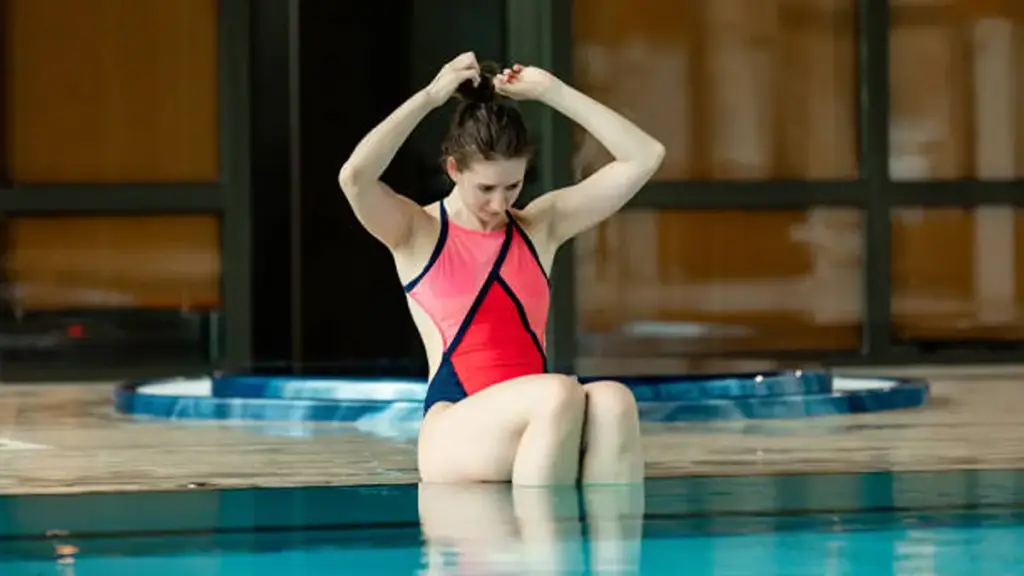
For active swimming and other demanding water activities, a well-fitted one-piece bathing suit can provide greater security and coverage during movement. For leisure activities such as sunbathing, relaxing by the pool, or casual swimming, a bikini offers more freedom and less coverage.
High-Impact Sports: When to Choose a Bathing Suit
For lap swimming and competitive training, a one-piece bathing suit provides a secure fit and stays in place during turns and other movements. Its streamlined design can also help reduce drag, making it a practical choice for swimmers who prioritize performance.
In dynamic water sports like surfing or bodyboarding, the single-piece construction of a bathing suit offers better security. It is less likely to shift or come off when hit by strong waves, giving you more confidence during wipeouts.
Activities that involve frequent jumping and diving, such as beach volleyball, also benefit from the dependable coverage of a one-piece. A well-fitted bathing suit provides consistent support without needing constant adjustments.
Leisure Activities: Where Bikinis Are Preferred
Bikinis are the top choice for sunbathing and tanning. Their two-piece design and minimal coverage help reduce tan lines, allowing for more even sun exposure across your skin.
For casual swimming, pool parties, or simply lounging at a resort, many people prefer bikinis for their style and comfort. The separated top and bottom allow for greater freedom of movement and a less restrictive feel.
A bikini can also work well for snorkeling in calm, warm waters. When paired with a rash guard, it offers layering flexibility and comfort, allowing you to adapt to changing conditions.
Bathing Suit vs Bikini: Fabric and Construction Details
While both bathing suits and bikinis use similar high-stretch synthetic fabrics, their construction is fundamentally different. A one-piece bathing suit requires more fabric and often uses heavier materials and full-torso linings for consistent support and opacity. A bikini uses less fabric and concentrates its support structures—like underwires and molded cups—in smaller, targeted zones.
Common Swimwear Fabrics and Their Properties
Most swimwear, whether one-piece or bikini, is made from high-performance synthetic blends. Nylon-spandex blends are commonly used for their soft hand feel, stretch, and comfort, making them well suited to many fashion-focused styles. For performance-oriented swimwear, selected polyester-spandex fabrics can provide stronger resistance to chlorine and repeated exposure, which can help improve durability over time. The best fabric choice ultimately depends on the garment’s design, construction, and intended use.
Fabric weight, measured in grams per square meter (GSM), also plays a big role in a suit’s feel and function. Lighter fabrics may be suitable for certain bikini designs where softness and drape are priorities. Fabric weight also affects coverage, support, and durability. Many swimwear fabrics fall around 170–220 GSM, but the ideal weight depends on the style, fabric composition, lining, and intended use.
We are also incorporating more recycled fibers like ECONYL® and recycled polyester into our designs. These materials deliver the same high performance and durability as new fibers but help reduce our environmental footprint without compromising quality.
Lining, Support, and Pattern Differences
A one-piece bathing suit generally requires more fabric because it covers the full torso, often using around one yard or more depending on the size, pattern, and fabric width. To create a smooth, supportive fit, these suits may be fully lined and can include internal power-mesh panels for added shaping and support.
A bikini set typically uses less fabric, often around half to three-quarters of a yard, although the actual amount varies by design and size. Rather than shaping the entire torso, bikini construction focuses support on specific areas. Features such as underwires, molded cups, and reinforced bands can be used to provide secure support around the bust and hips.
Swimwear may use a single layer, self-lined construction, or a separate lining depending on the fabric and design. For lighter or more stretchy fabrics, lining is often added to improve opacity, support, and fit stability when wet. The main construction challenge for a one-piece is managing a perfect fit over the entire torso length. For a bikini, the engineering is all about creating secure anchor points that keep everything comfortably in place during movement.
Why Swimwear Brands Choose HW Swim Fashion for Custom Collections
For brands developing both bikinis and one-piece swimsuits, product development involves more than choosing a style. Fit, fabric performance, pattern accuracy, and construction all need to work together. HW Swim Fashion brings more than 20 years of swimwear manufacturing experience to this process, with in-house expertise in pattern development, grading, fabric selection, and sample development. Our OEM and ODM services allow brands to turn concepts and tech packs into production-ready swimwear while maintaining consistency across different styles and sizes.
We also offer access to functional and sustainable fabric options to match different product requirements, including quick-dry, four-way stretch, UV-protective, recycled nylon, and recycled polyester fabrics. Options such as REPREVE® and ECONYL® can support collections targeting customers who value performance and more responsible material choices. For brands selling internationally, BSCI certification and supporting quality documentation provide additional supply-chain assurance. This combination of product development experience, material flexibility, and manufacturing support helps brands build swimwear collections that are designed around their market and customer needs.
Choosing Your Style: A Bathing Suit vs Bikini Guide
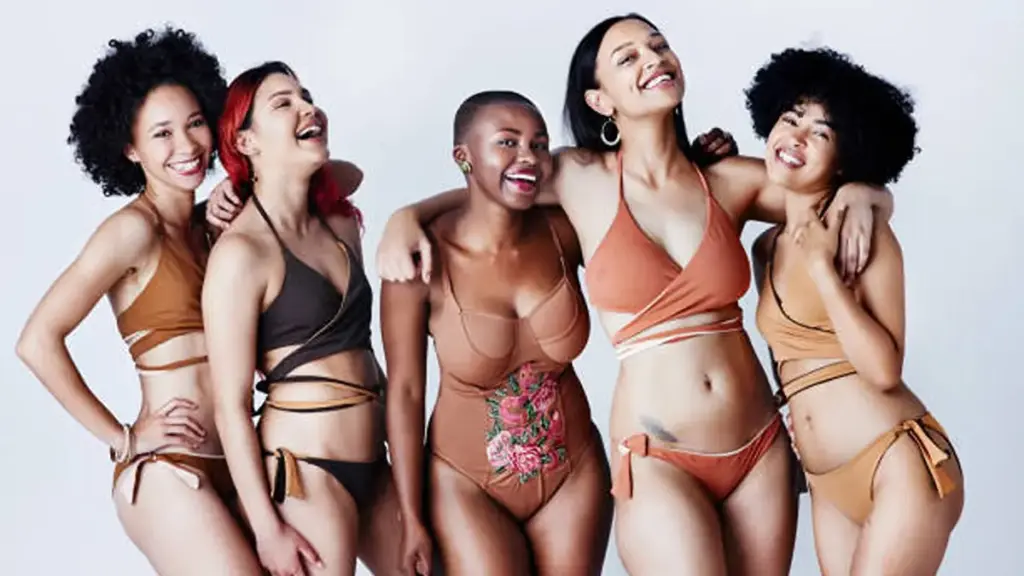
The choice between a bathing suit and a bikini depends on what you value most. A one-piece bathing suit offers more coverage, security, and support, making it ideal for active swimming and sports. A bikini provides less coverage for better tanning and lets you mix and match sizes and styles for a personalized fit.
A Practical Checklist for Your Decision
Making the right choice is about balancing your planned activities with your personal comfort. Running through a few key points can help you find the perfect swimwear for your needs.
- Activity Level: For active sports like surfing, water polo, or swimming laps, a one-piece bathing suit offers a secure, streamlined fit that stays in place. For relaxing, sunbathing, or light swimming, a bikini provides more freedom and less fabric.
- Coverage and Comfort: A one-piece bathing suit provides full torso coverage for a more secure, ‘held-in’ feeling. A bikini exposes the midriff, which can feel more freeing and comfortable in hot weather.
- Sizing and Fit: If you wear different sizes for your top and bottom, bikini separates offer a customized fit. If your proportions are more uniform, the simplicity of a single-piece bathing suit is a great option.
- Tanning Goals: A bikini is the clear choice if you want to minimize tan lines and maximize sun exposure. A one-piece covers more of the torso, although the level of UV protection depends on the fabric and its UPF rating.
- Support Needs: For more bust support or midsection control, a structured one-piece is highly effective. A supportive bikini top paired with a high-waisted bottom can also provide excellent comfort and shaping.
Matching Your Swimwear to the Occasion
Different events call for different styles. Your choice can depend on whether the setting is athletic, family-oriented, or purely social.
- Sports and Training: A one-piece bathing suit is the standard for performance. Its secure design reduces drag and ensures everything stays in place during vigorous movement, from lap swimming to water sports.
- Family Outings: Many people prefer a one-piece for family beach days due to its reliable coverage. A high-waisted bikini is also a great choice, offering a stylish two-piece look that remains comfortable and appropriate.
- Vacations and Pool Parties: This is where style often takes center stage. Bikinis and fashionable one-pieces with details like cut-outs or bold necklines are popular for social events where you want to make a statement.
- Sun-Sensitive Days: If you burn easily or prefer to limit sun exposure, a one-piece bathing suit offers more torso protection. Styles with wider straps or higher necklines can provide even more coverage.
Bathing Suit vs Bikini: What Swimwear Brands Should Consider
For swimwear brands, bikinis can be an important growth category, particularly in fashion and resort collections. JOOR reported a 41% year-over-year increase in bikini sales over the past 12 months, while one-piece sales declined by 2% on its platform. One-piece swimsuits also remain important for performance-focused collections, where secure fit, support, durability, and chlorine resistance are key considerations. A balanced product mix allows brands to respond to changing trends while maintaining reliable styles for customers who prioritize coverage and performance.
Market Share and Growth Dynamics
Analyzing recent sales data shows that bikinis and one-piece swimsuits can play different roles in a swimwear collection. JOOR’s 2026 data found that one-pieces accounted for 32% of swimwear sales on its platform, while bikinis accounted for 16%. At the same time, bikini sales grew 41% year over year, compared with a 2% decline for one-pieces.
- Bikini Growth: Bikinis were the fastest-growing swimwear category on JOOR, making them worth considering for fashion and resort-focused collections.
- One-Piece Sales: One-pieces represented the largest share of sales on JOOR at 32%, showing their continued importance in retail collections.
- Product Strategy: The two styles can serve different roles, with bikinis supporting style variety and trend responsiveness while one-pieces can provide broader coverage and performance-oriented options.
Brand Positioning and Product Strategy
A bikini-led strategy positions your brand to capture the attention of younger, fashion-forward consumers. This approach capitalizes on rapid trend cycles and high social media visibility, turning style expression into a key sales driver.
Alternatively, focusing your brand on one-piece suits allows you to build a strong identity in performance, fitness, and modesty-focused markets. This strategy centers on function and support, building customer trust and confidence in your products.
We recommend a balanced product strategy for many brands. You can use bikinis to drive rapid growth and social media engagement. At the same time, one-piece bathing suits provide stable sales volume and cater to your loyal, performance-oriented customer base.
That mix also changes how each style needs to be developed. Bikinis often need faster style updates in response to swimwear trends, with more variation in tops and bottoms, while one-pieces tend to benefit from proven silhouettes, reliable support, and consistent fit.
Final Thoughts
Building a reliable swimwear collection takes more than following the latest trend. A balanced collection can give brands room to respond to fashion trends while maintaining dependable styles for customers who prioritize coverage, support, and performance. This approach ensures your collection has both trend-driven velocity and core bestsellers.
The right mix of bikinis and one-pieces will depend on your customers, price point, and intended market. A manufacturer can also help you evaluate fabric, fit, MOQ, and production requirements before you finalize a collection. Contact our team to discuss your next collection and build a production blueprint.
Frequently Asked Questions
What is the difference between a bathing suit and a bikini?
A bathing suit is a general term for swimwear and often refers to one-piece styles covering the torso. A bikini is a specific two-piece style with a separate top and bottom that exposes the midriff.
Is a bikini considered a bathing suit?
Yes, a bikini is a type of bathing suit. The term “bathing suit” or “swimsuit” is a broad category that includes both two-piece styles like bikinis and one-piece designs. “Bikini” just refers to the specific two-piece style.
Which is better a one-piece or bikini?
Neither style is universally better. The best choice depends on your planned activities, support needs, and personal style. One-pieces usually offer more coverage and a secure fit, but bikinis provide more tanning flexibility.
Are one-piece swimsuits more comfortable than bikinis?
Comfort depends on fit and fabric, not just the style. Some people find one-pieces more secure and comfortable for active swimming. Others prefer the freedom of movement and reduced fabric coverage a bikini provides.
What body type looks best in a bikini?
Any body type can look great in a bikini. Choosing the right cut, support, and coverage for your shape is more important than matching a certain mold. Confidence and a proper fit are what make any swimwear style work.
Why do people wear one-piece swimsuits?
People often choose one-piece swimsuits for more coverage, support, and a secure fit, which is ideal for active swimming. Many also select them for modesty, practical comfort, or simply as a fashion statement.
Can a bikini be used for swimming?
Yes, bikinis are designed for swimming and water activities. For more athletic swimming, it is important to select a bikini with a secure fit to ensure it stays in place while you move through the water.
Which swimwear style is more popular?
While popularity varies by market, audience, and use case, both bikinis and one-piece swimsuits remain widely popular. JOOR’s 2026 data found that one-pieces accounted for a larger share of sales on its platform, while bikinis were the fastest-growing category.