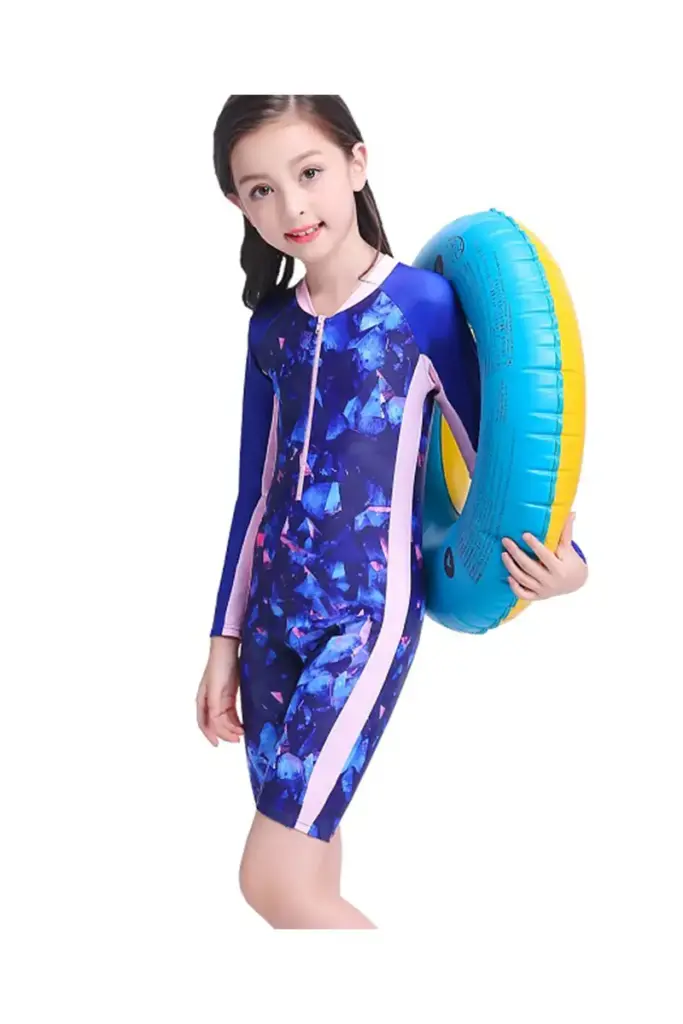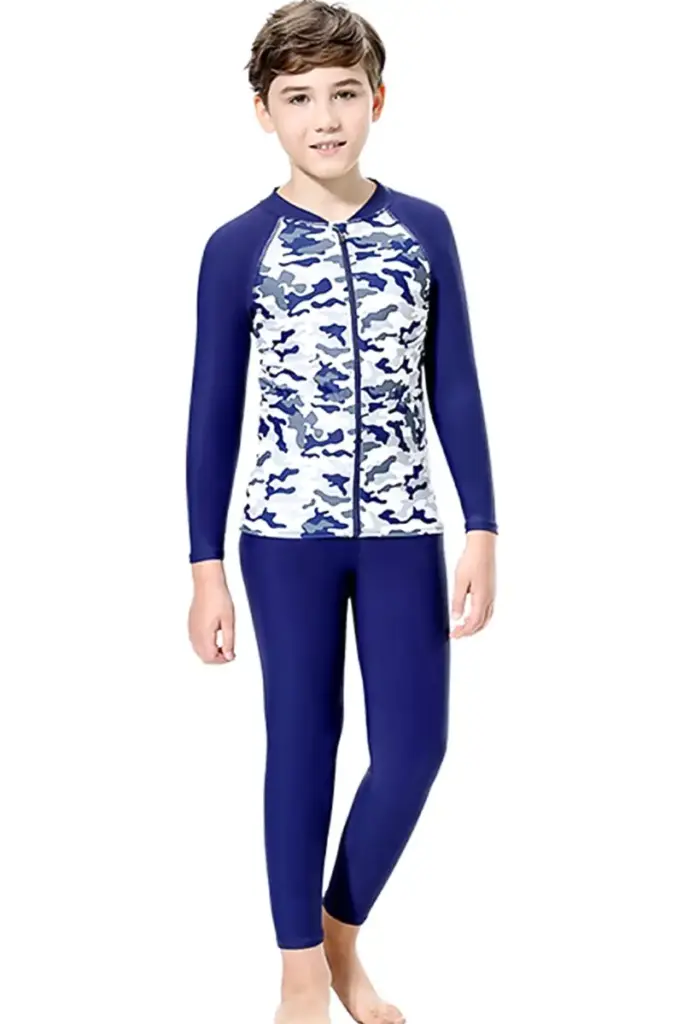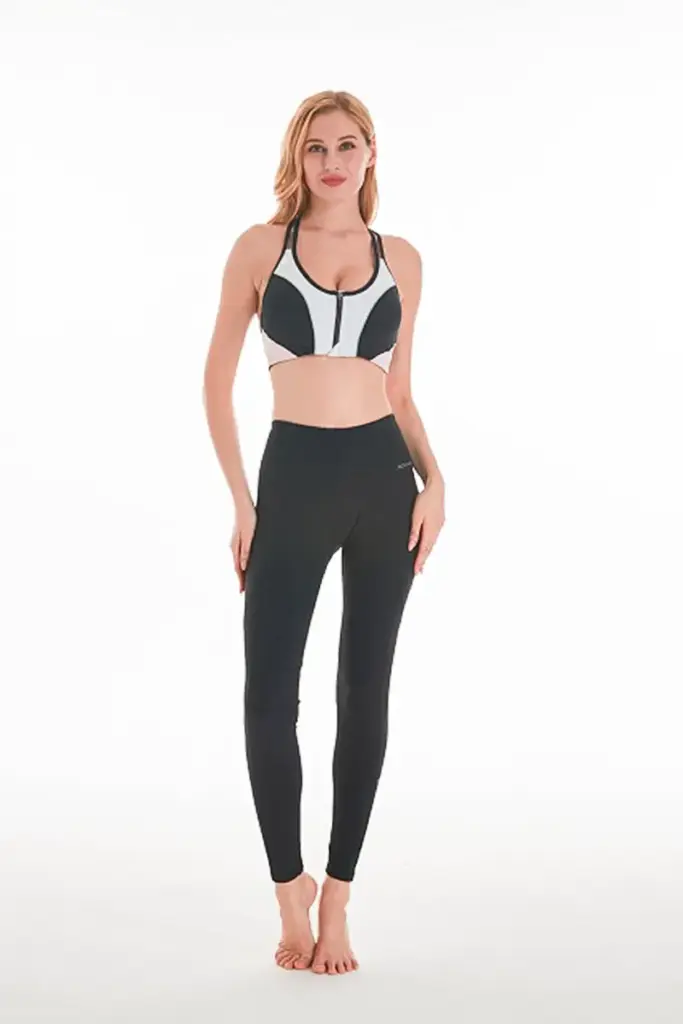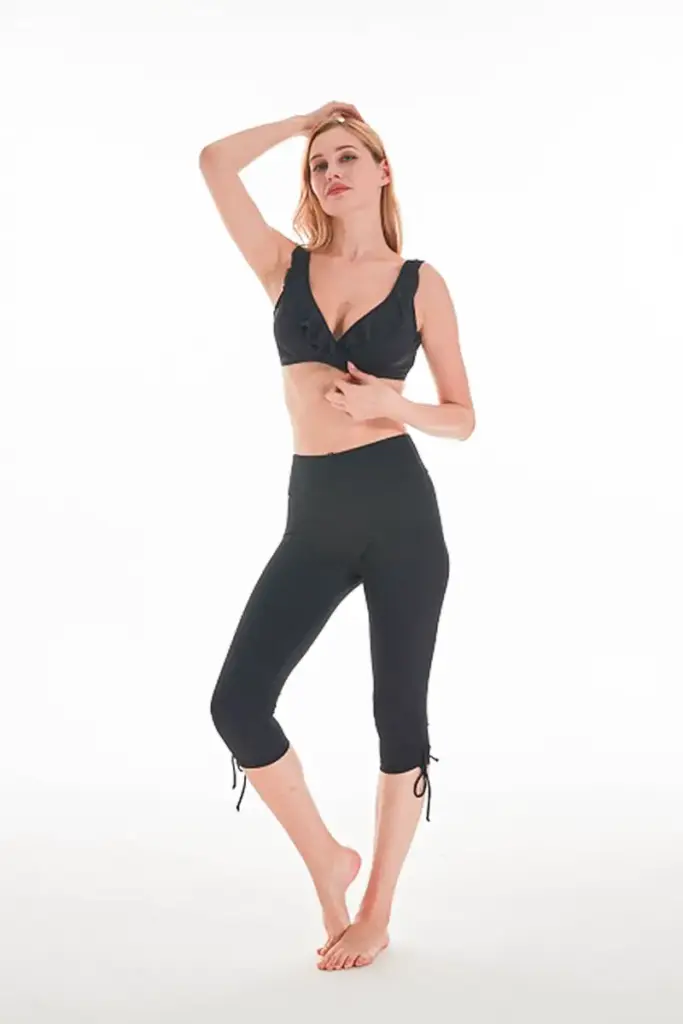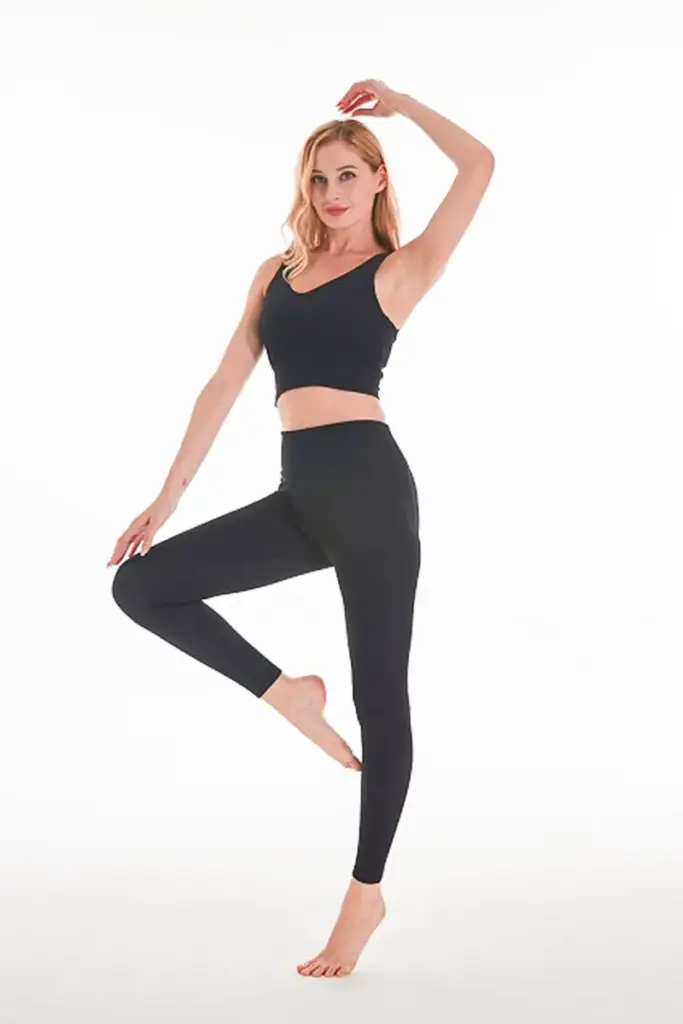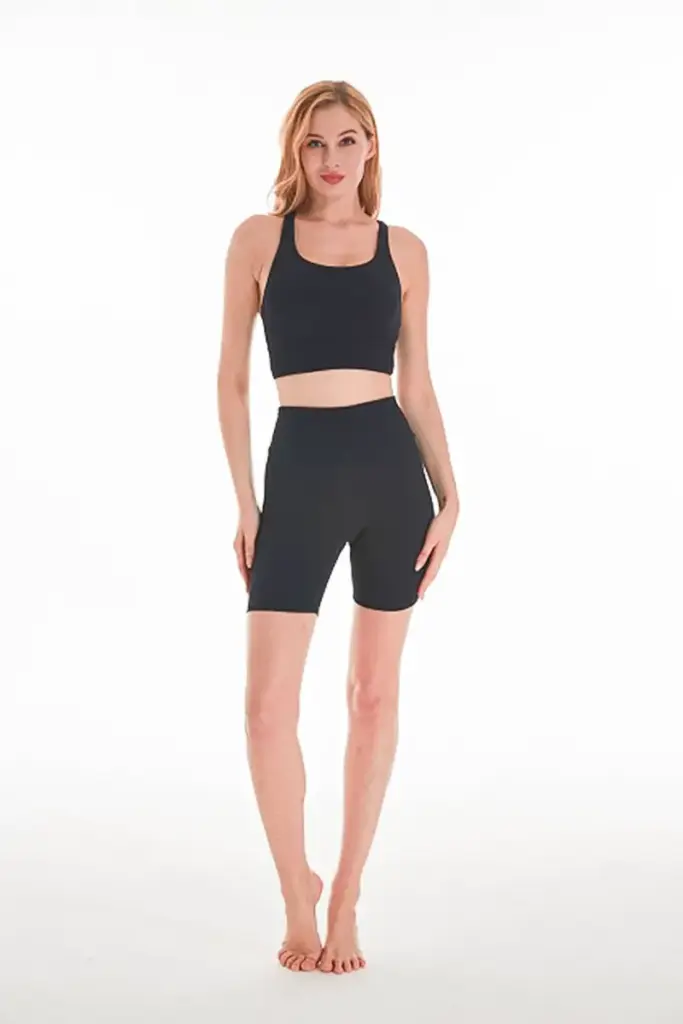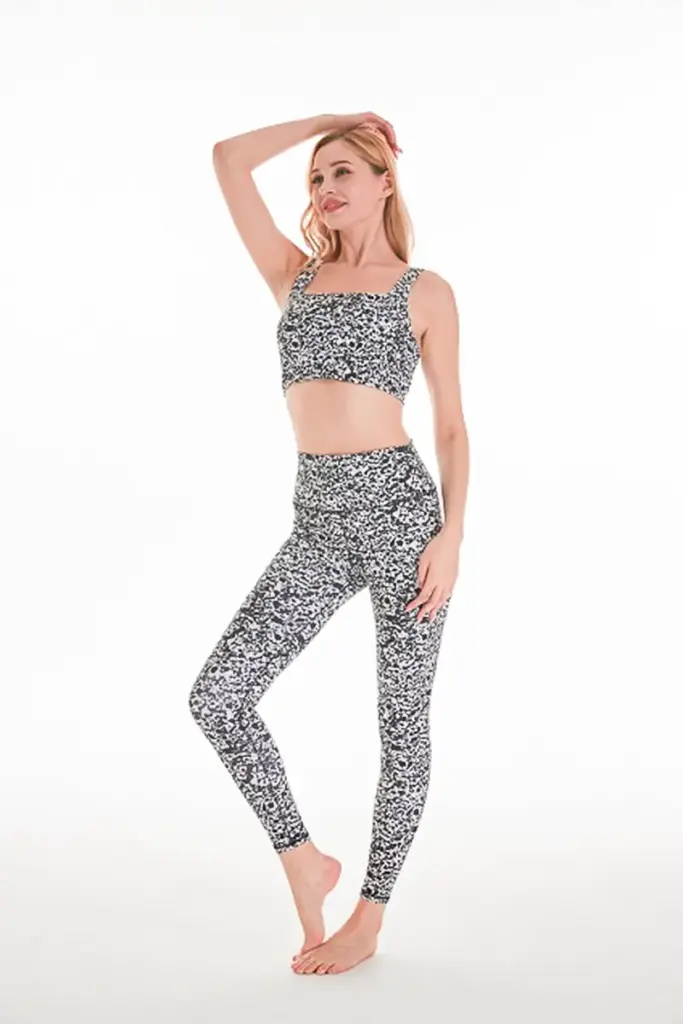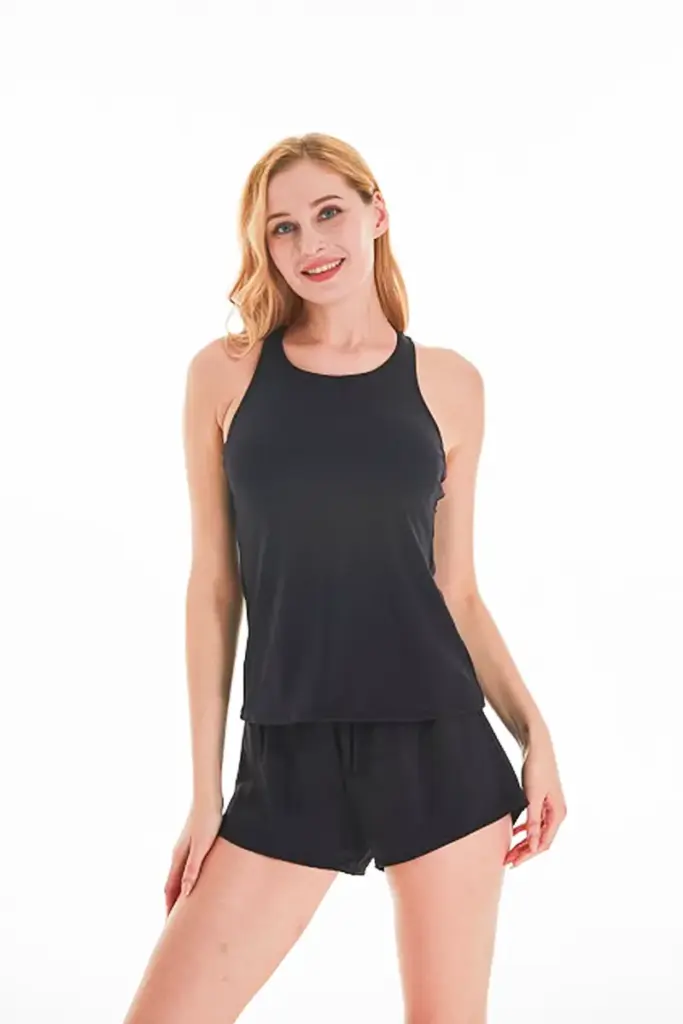
Swimwear and beachwear are often used interchangeably, but they’re not exactly the same thing. While both are essential for seaside getaways and poolside lounging, they serve different purposes, styles, and even comfort needs. Understanding the difference can help you choose smarter outfits for travel, retail collections, or brand development. In this article, we’ll break down what sets them apart and when each one makes the most sense.
Key Differences Between Swimwear and Beachwear
| Aspect | Купальники | Пляжная одежда |
|---|---|---|
| Primary Purpose | Swimming, water sports, and full immersion in pools, oceans, or lakes. | Lounging, sunbathing, walking the shore, resort socializing—mostly on land. |
| Key Materials | Nylon, polyester, spandex/elastane blends engineered for stretch, chlorine resistance, and fast drying. | Cotton, linen, rayon, viscose, and lightweight synthetics chosen for drape and comfort rather than water performance. |
| Соответствовать & Silhouette | Close to the body, streamlined to reduce drag. Dense knits with 4-way stretch. | Loose, flowy, varied. Сокрытия, kaftans, dresses, and relaxed shorts layered over swimwear. |
| Water Performance | Built for full immersion. Quick-drying, shape-retaining, and resistant to chlorine, salt, and UV exposure. | Not designed for sustained immersion. Absorbent fabrics become heavy, sag, or turn see-through when soaked. |
Purpose and Scope
Купальники is designed specifically for water-based activities like swimming, surfing, and diving. Its main purpose is to provide a secure, close-fitting design that stays in place and performs well when fully or partially submerged. Пляжная одежда, however, is a broader category that includes not only swimsuits but also cover-ups, dresses, and accessories meant for sunbathing, walking on the beach, or moving between the pool and casual settings.
Materials and Construction
Swimwear is made from synthetic performance fabrics like nylon, polyester, and spandex, chosen for stretch, shape retention, and fast drying. These materials are tightly knitted to ensure opacity and support in water, while also resisting chlorine and reducing drag during movement. Пляжная одежда, by contrast, uses breathable natural or blended fabrics such as cotton, linen, rayon, and viscose, focusing on comfort, airflow, and relaxed drape. However, these materials absorb water easily and dry slowly, as they are designed for land-based comfort rather than aquatic performance.
Fabric and Material Differences

Swimwear Fabrics
Swimwear is built on engineered synthetic fabrics such as nylon, polyester, and spandex. These materials provide essential 4-way stretch, strong shape recovery, and fast-drying performance, ensuring the garment stays secure and comfortable in water. The tight-knit construction also helps prevent transparency when wet and reduces drag during movement. In general, an 80% nylon / 20% spandex blend is widely used for its balance of durability, комфорт, and flexibility, while polyester and PBT blends are preferred for higher chlorine resistance in performance swimwear.
Beachwear Fabrics
Beachwear uses a different fabric approach focused on comfort and everyday wearability. Materials like cotton, linen, rayon, and lightweight polyester are chosen for breathability, softness, and natural drape. These fabrics work well for cover-ups, kaftans, and resort-style outfits, offering a relaxed and stylish look. However, they absorb water easily and lack stretch, making them unsuitable for swimming. Instead, they are designed for dry-land comfort, layering, and casual beach environments.
Your Premium Swimwear, Ready in 30 Days

Style and Design Differences
Design Priorities and Functional Intent
- Swimwear Focus: Swimwear is designed for water performance, with every detail optimized for secure fit, reduced drag, and stability during swimming or diving activities.
- Beachwear Focus: Beachwear is designed for land-based comfort and lifestyle use, focusing on ease of wear, breathability, and relaxed styling for resort and beach settings.
Silhouette Differences Explained
- Swimwear Silhouettes: Swimwear uses body-hugging silhouettes such as bikinis, one-pieces, and swim trunks to ensure support and performance in water.
- Beachwear Silhouettes: Beachwear uses loose and flowing silhouettes like kaftans, maxi dresses, and wide-leg pants for comfort, coverage, and easy layering.
Material Behavior Contrast
- Swimwear Fabrics: Swimwear uses synthetic stretch knits like nylon, polyester, and spandex to deliver elasticity, shape retention, and fast drying in water environments.
- Beachwear Fabrics: Beachwear uses breathable woven fabrics such as cotton, linen, and rayon, which offer comfort and drape but absorb water and lose structure when wet.
Visual Style Language
- Swimwear Aesthetic: Swimwear emphasizes clean cuts, sculpted shapes, and functional details like cut-outs and hardware to enhance performance and body contouring.
- Beachwear Aesthetic: Beachwear focuses on texture, layering, and relaxed visual effects using fabrics like crochet and chiffon to create a soft resort-style look.
When to Wear Swimwear

Key Situations That Require Swimwear
Swimwear is required in any water-based environment such as pools, oceans, lakes, water parks, and spas, where full or partial submersion is expected. It is designed to stay secure, opaque, and quick-drying during swimming or water activities. Water sports like surfing, paddleboarding, and aqua fitness also demand swimwear for flexibility, комфорт, и долговечность. Many public venues enforce swimwear-only rules for hygiene, safety, and proper filtration system protection.
Quick Decision Checklist: Is Swimwear Necessary?
Run through this list before you grab a beach bag. If any of these apply, swimwear is the non-negotiable layer.
- You plan to get fully or partially wet. Any clothing likely to go underwater needs to handle immersion without becoming heavy, see-through, or misshapen.
- You will move vigorously in water. Stretch, a secure fit, and chafe-free construction matter the moment you start paddling, kicking, or diving.
- You need coverage that stays opaque and positioned correctly when soaked. Cotton and fashion fabrics fail this test. Swimwear doesn’t.
- Technical demands exist. Chlorine resistance, saltwater durability, rapid drying, or UV protection are specific requirements that only swim-grade fabrics deliver.
- The facility enforces a swimwear-only dress code. Many pools and water parks explicitly prohibit street clothes and underwear for hygiene and filtration reasons.
- You are in a situation where beachwear or regular clothing would become waterlogged, drag you down, or create a safety risk in the water.
When to Wear Beachwear

Choosing Beachwear Based on Activity
You choose beachwear based on what you plan to do, focusing on comfort, coverage, and easy layering over your swimwear. If you’re lounging or sunbathing, cover-ups, sarongs, and loose dresses help you move easily between sand and water. If you’re walking, dining, or exploring nearby areas, you’ll need more complete outfits like dresses, shorts, or shirts for better coverage. For beach sports, you should opt for breathable athletic pieces, while travel situations require full outer layers over your swimwear for proper social comfort.
Choosing Beachwear Based on Temperature and Weather
Your beachwear also depends on the weather and temperature you’re dealing with. In hot conditions, you’ll want lightweight pieces like tank tops, shorts, and breathable shirts that keep you cool while allowing quick access to your swimwear. In warm, moderate weather, T-shirts and shorts usually work best with optional light layers. In cooler temperatures, you should switch to sweaters, jackets, and long pants, and only keep swimwear underneath if you actually plan to enter the water.
Can Swimwear Be Worn as Beachwear
Swimwear as a Foundation of Beachwear
Да. Swimwear is considered a core part of beachwear and often serves as the foundation of a complete beach outfit. You can comfortably wear a swimsuit while sunbathing, relaxing by the pool, walking along the shore, or participating in casual beach activities. Its quick-drying, lightweight, and stretchable fabrics make it suitable for both water use and time spent on land.
Wearing Swimwear on the Beach: What to Consider
While swimwear is perfectly acceptable on the beach or by the pool, you may need additional layers when moving into public or social settings. Сокрытия, shirts, sarongs, or beach dresses provide extra coverage and help you adapt to local customs and venue requirements. You should also choose swimwear styles based on your activity level, opting for more supportive designs if you plan to walk, exercise, or play beach sports.
Final Thoughts
In summary, swimwear and beachwear may often be mentioned together, but they serve different roles. Swimwear is built for performance in water, focusing on support, elasticity, and quick-dry functionality. Пляжная одежда, however, leans more toward relaxed styling and versatility, offering lightweight, fashionable pieces that can be worn beyond the beach.
At ХэВан Мода, we specialize in both swimwear and beachwear development, helping brands create cohesive collections that balance function and style. With our end-to-end manufacturing support, flexible customization options, and strong focus on quality control, we make it easier for our partners to bring market-ready designs to life efficiently and consistently. Contact us today to start developing your custom swimwear and beachwear collection with our expert team.