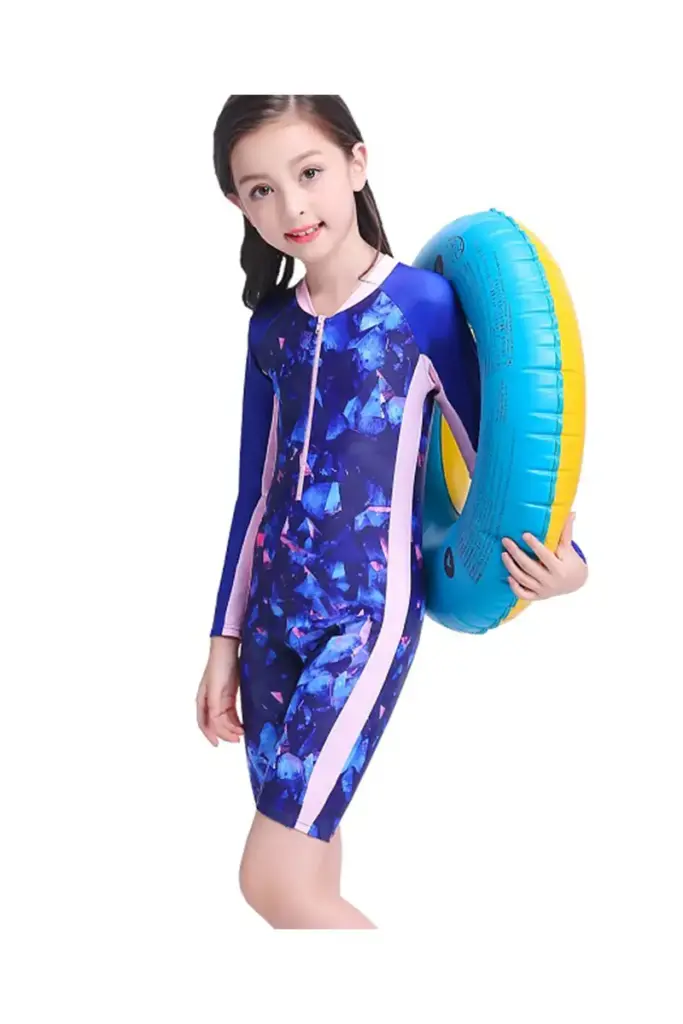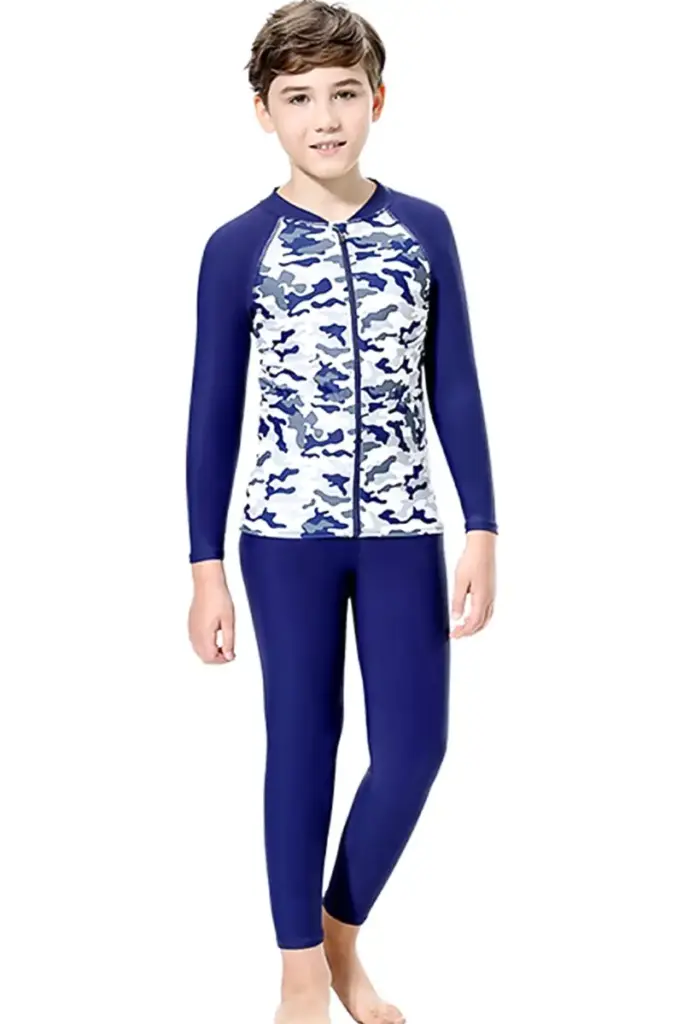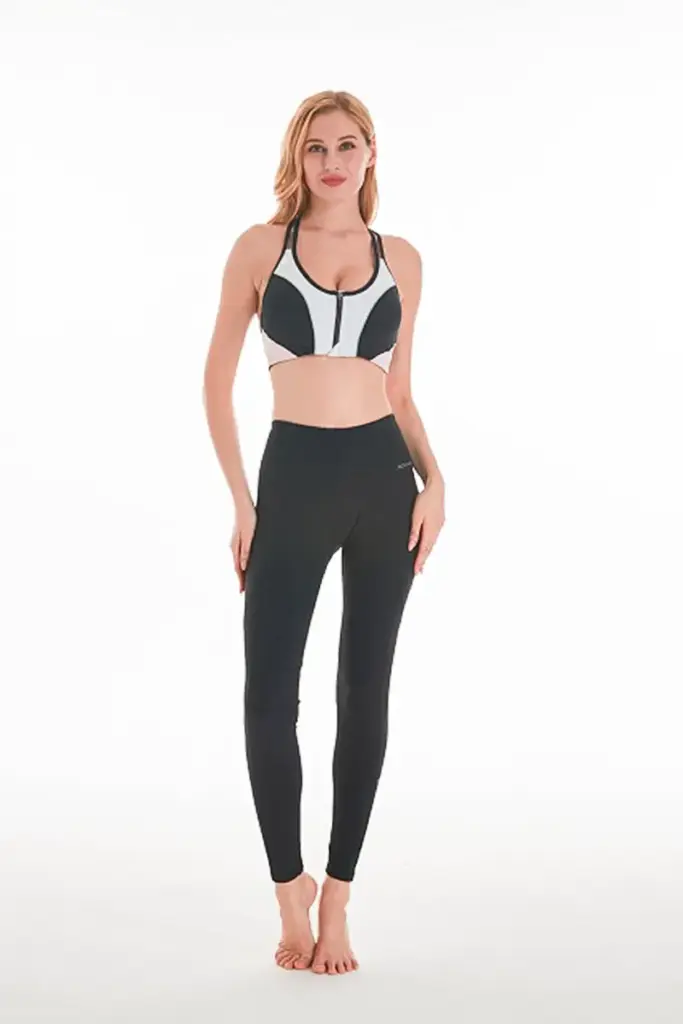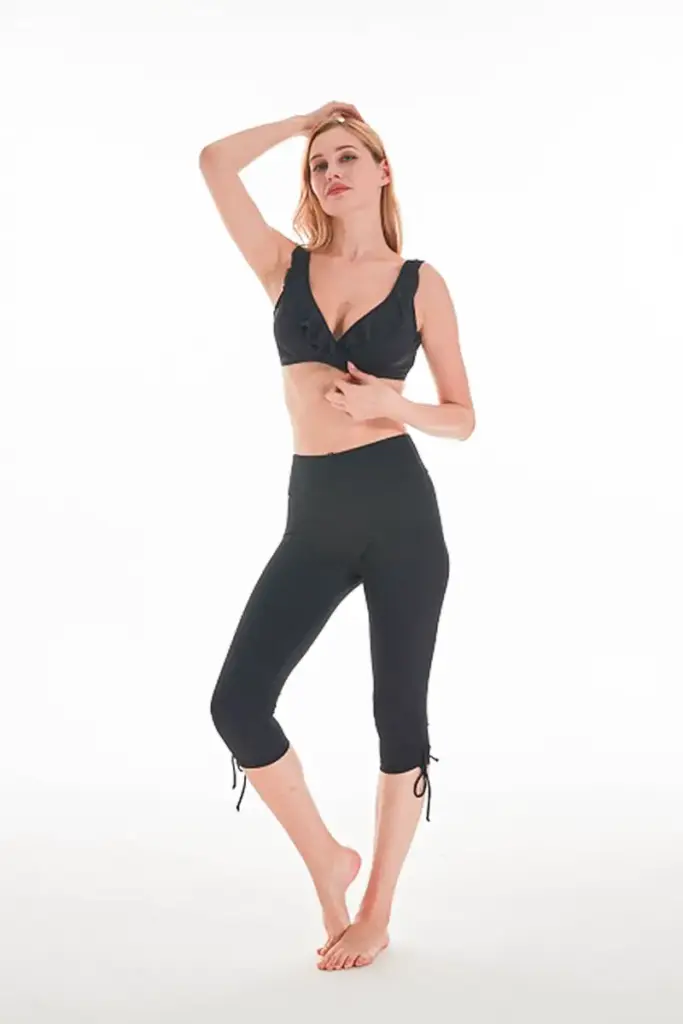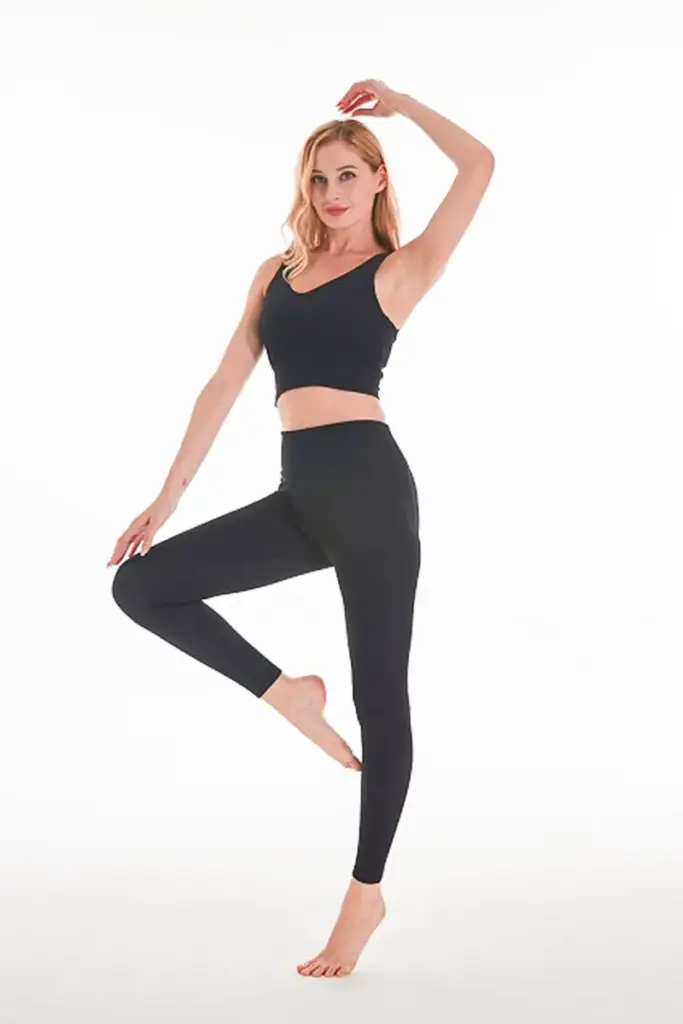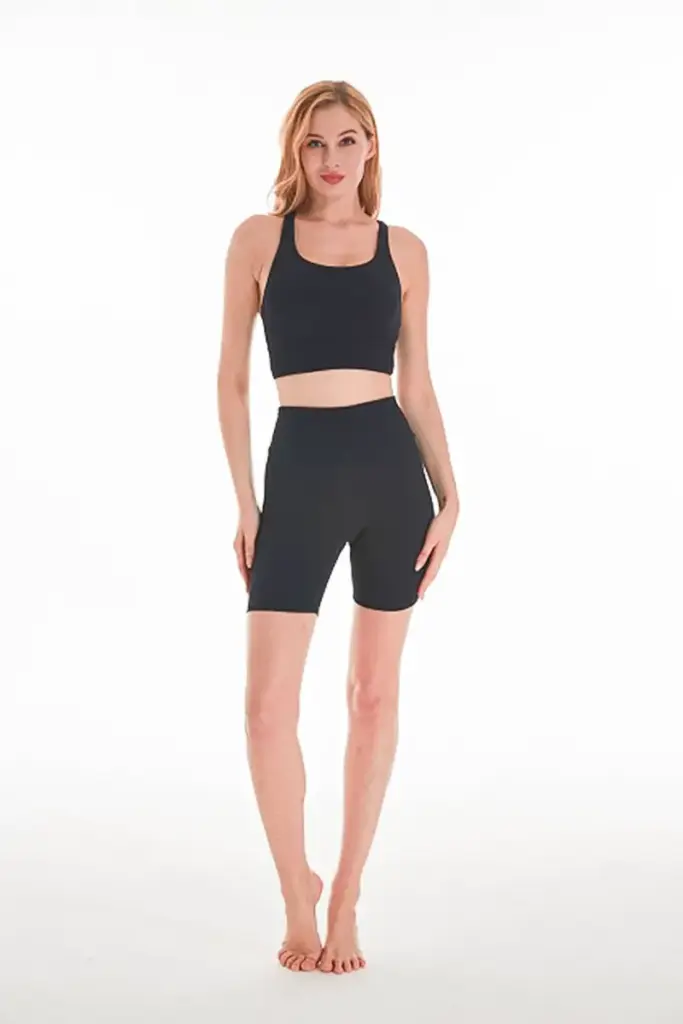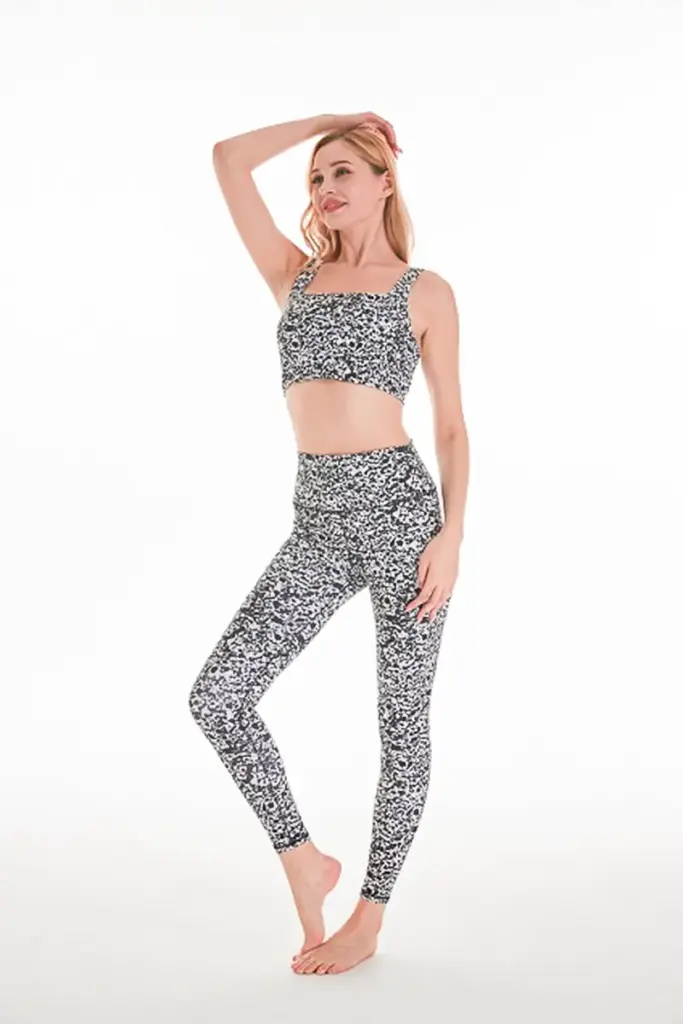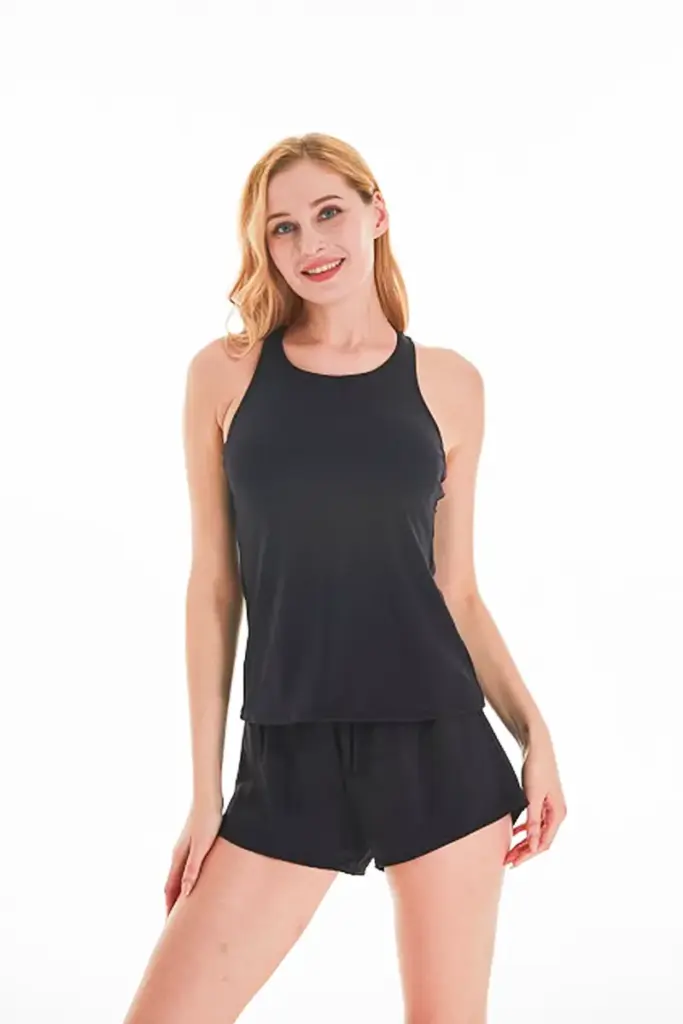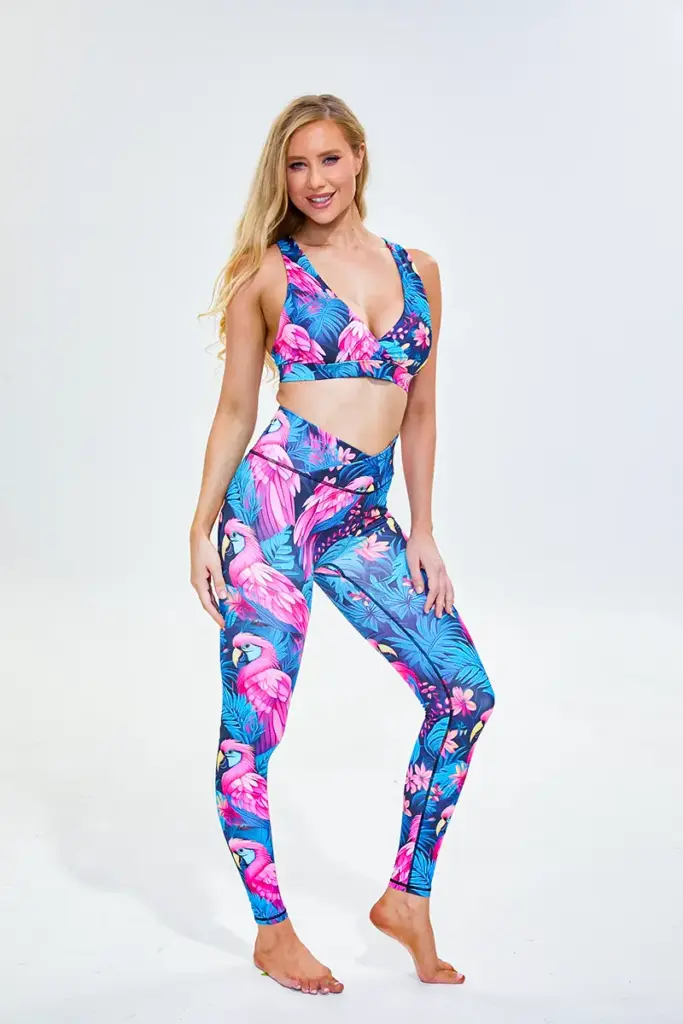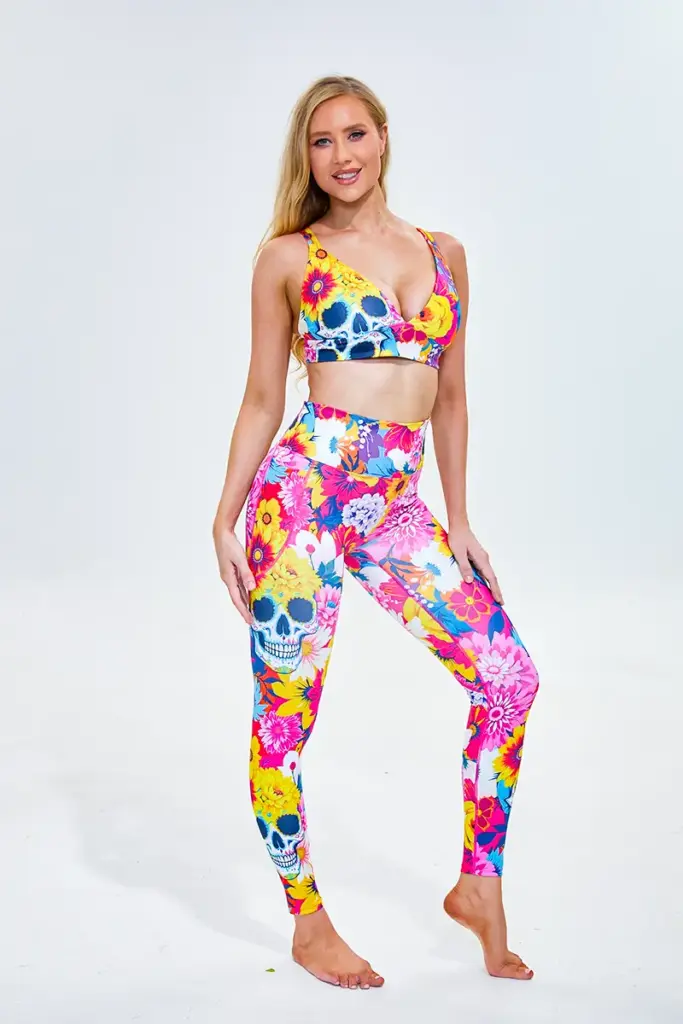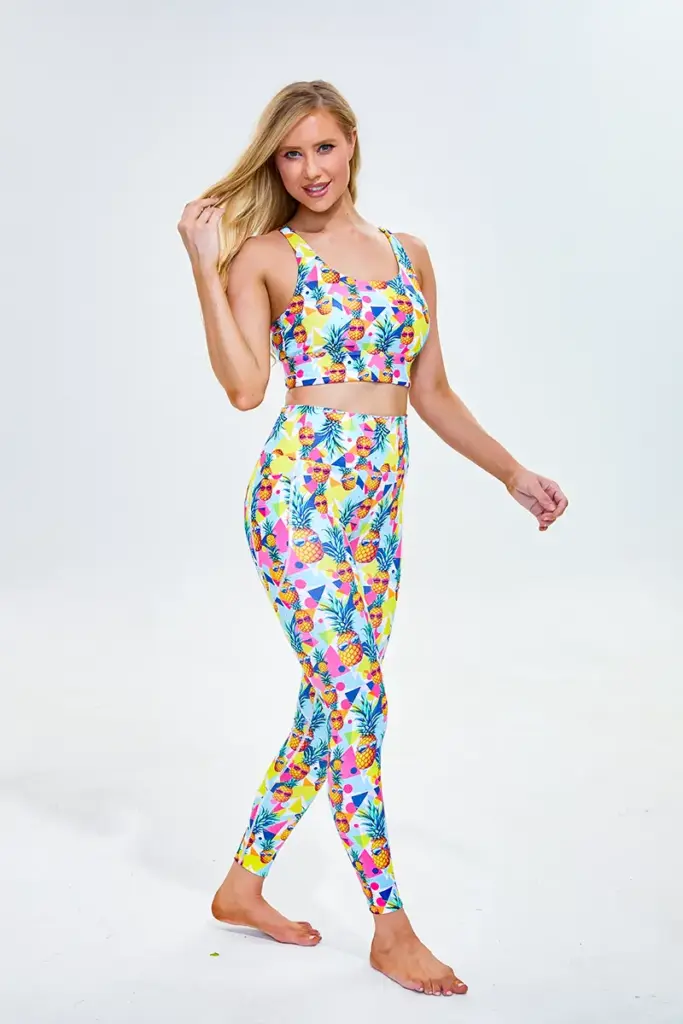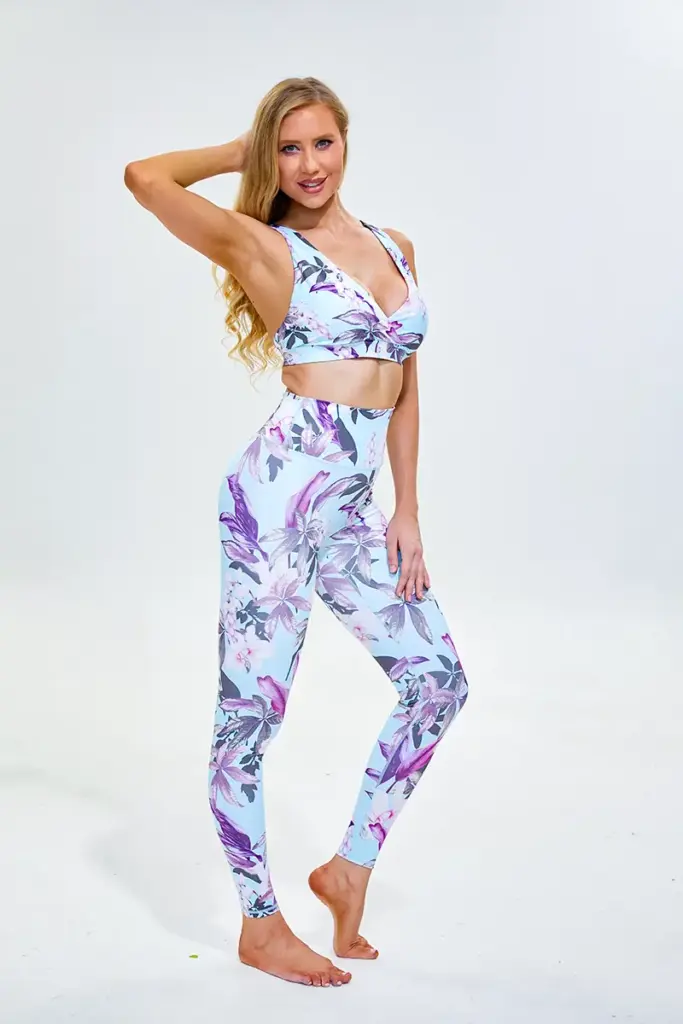
Consumer demand for more coverage, sun protection, and versatile swimwear is creating new opportunities for brands to expand beyond traditional swimsuit styles. Adding options such as rash guards, swim leggings, and modest swim sets allows brands to serve customers looking for functional, comfortable, and activity-specific swimwear.
This guide explores six popular swimwear alternatives, from UPF 50+ rash guards to full-coverage swim leggings. Each option is compared based on coverage level, fabric performance, and suitability for different water activities to help brands understand which styles may fit their target customers.
Swimwear Alternatives Explained: A Complete Guide

Swimwear alternatives are swim-specific garments designed to replace or complement traditional swimsuits. They provide additional coverage, sun protection, comfort, or performance features while remaining suitable for different water activities.
What Makes a Good Swimwear Alternative
A practical swimwear alternative should be designed specifically for swimming or water-based activities. The key features are performance-driven: the fabric should be quick-drying, stretchy, and made from durable materials such as nylon, polyester, or elastane blends. Choosing the right swim fabrics also helps ensure better comfort, durability, and performance during repeated water activities. These fabrics help maintain comfort, flexibility, and ease of movement without feeling heavy or restrictive when wet.
Everyday clothing made from materials like cotton or denim is unsuitable for swimming. These fabrics absorb a large amount of water, becoming heavy, restrictive, and slow to dry, which can make swimming difficult and even unsafe.
Common Types of Swimwear Alternatives
Different alternatives provide unique combinations of coverage, style, and performance. Understanding different types of women’s swimsuits can also help brands compare silhouettes and select styles that match customer preferences.
| Type | Key Features | Best For |
|---|---|---|
| Rash Guard | A tight-fitting, athletic top made of quick-drying, UV-protective fabric. | Sun protection and high-action water sports like surfing or paddleboarding. |
| Swim Leggings | Close-fitting pants made from swim fabric for full leg coverage. | Maximum sun protection, modesty, and active swimming. |
| Swim Dress | A one-piece suit with a skirted outer layer and a built-in brief or shorts. | Modest coverage for the hips and thighs with a feminine silhouette. |
| Tankini | A two-piece suit that pairs a tank-style top with separate bottoms. | Flexible styling and torso coverage with the convenience of a two-piece. |
| Board Shorts | Casual shorts, usually mid-thigh to knee-length, with a relaxed fit. | A sporty, versatile look for mixed water activities and casual wear. |
| Burkini | A full-coverage suit including a tunic, leggings, and a head covering. | Complete body coverage for cultural, religious, or personal modesty. |
Top Swimwear Alternatives: Rash Guards for Sun and Coverage
Rash guards are a leading swimwear alternative, blending serious sun protection with functional coverage. Many rash guards are made with UPF 50+ fabrics that can block around 98% of UV radiation when properly tested. Unlike sunscreen, the protection provided by fabric does not need to be reapplied during normal wear. They also cover the torso, arms, and chest to protect skin from abrasions and provide comfort for those seeking more modesty.
Superior Sun Protection with UPF 50+ 织物
Many rash guards feature a UPF 50+ rating, a textile standard confirming that the fabric blocks about 98% of harmful UVA and UVB rays. This provides your skin with a reliable and powerful shield during long hours in the sun.
A rash guard provides consistent sun protection for the skin it covers, unlike sunscreen that requires frequent reapplication. You don’t have to worry about it washing off in the water or sweating away during activity.
The designs often include long sleeves and higher necklines. This offers much more coverage for the arms, chest, and back than you would get from typical swimwear, protecting areas that are prone to burning.
Functional Coverage for Comfort and Modesty
Rash guards cover the torso, shoulders, and arms, making them a popular choice for anyone seeking more coverage or modesty at the beach or pool. They let you feel secure and comfortable without sacrificing performance.
They are typically made from quick-drying, four-way stretch fabrics like nylon and spandex that move with your body. This material blend ensures you feel flexible and unrestricted, whether you’re swimming, surfing, or relaxing.
The material also creates a protective barrier for your skin. It helps prevent abrasions and rashes caused by contact with sand, salt, or sporting equipment like surfboards and bodyboards.
Low-Risk Swimwear Manufacturing for Fast Growth
Swim Leggings: A Swimwear Alternative for Full Leg Coverage
Swim leggings are form-fitting bottoms that provide complete leg coverage from your waist to your ankles. They are designed for swimming and water sports, offering excellent sun protection, modesty, and a secure fit that limits drag in the water.
Understanding Swim Leggings: Design and Functionality
Swim leggings are full-length, form-fitting bottoms that cover your legs from waist to ankle. They serve as a practical alternative to traditional swim bottoms, especially for customers looking for increased sun protection, modest coverage, or active water sports performance.
Most pairs feature a high-rise waist. This design ensures a secure fit that stays comfortably in place, even during dynamic activities like surfing, paddle boarding, or playing in the waves. You can move freely without worrying about your swimwear shifting.
Their versatility makes them useful for many activities. You can use them for swimming, snorkeling, and kayaking, but they also work well for transitional activities like beach yoga or walking. They are made from quick-drying fabric, so you can comfortably go from the water to your next activity.
You can easily pair swim leggings with a rash guard, swim dress, or bikini top. This flexibility allows you to create a functional and stylish swim outfit that meets your desired level of coverage.
Functional Advantages Over Traditional Swimwear
- UPF 50+ Sun Protection: Many swim leggings have a UPF 50+ rating, which means they block approximately 98% of harmful UV rays. This greatly reduces the need to constantly reapply sunscreen to your legs.
- Complete Leg Coverage: The full-length design is ideal for anyone seeking more modesty for personal, cultural, or religious reasons. It provides confidence and comfort for all body types.
- Physical Protection: The fabric acts as a physical barrier against the environment. It helps protect your skin from minor scrapes, reef cuts, and chafing during active water sports.
- Reduced Drag: A well-designed pair of swim leggings has a sleek, close fit. This helps limit drag in the water, allowing you to move more efficiently while swimming or performing other activities.
Modest Swimwear Alternatives: Swim Dresses and Skirts
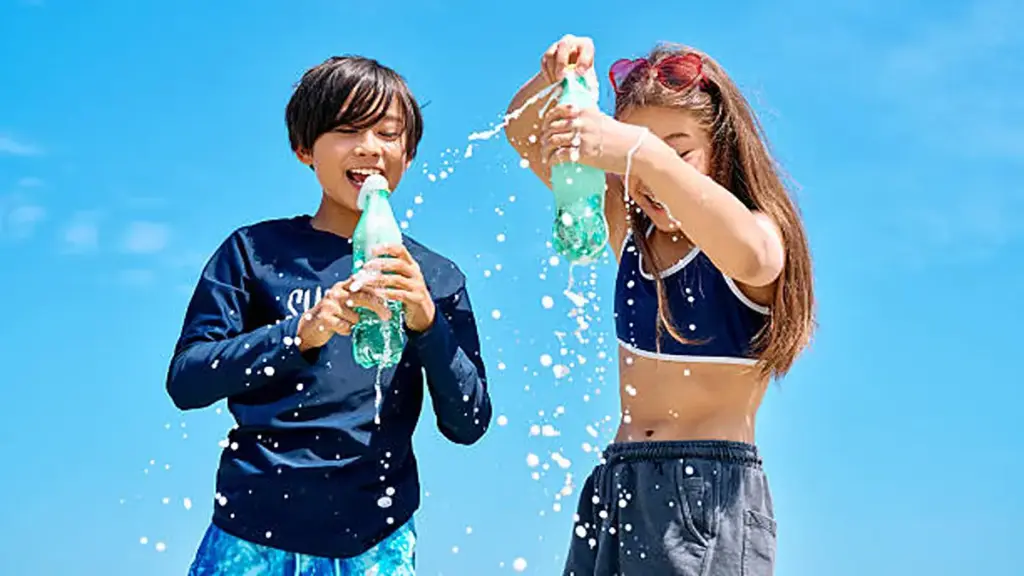
Swim dresses and swim skirts are modest options that provide more coverage for the hips and thighs than traditional swimwear. Swim dresses are one-piece garments with a skirted overlay, and swim skirts are versatile bottoms you can pair with a separate top. Both are made from functional, quick-drying swim fabric to keep you comfortable in and out of the water.
Swim Dresses: A One-Piece Coverage Solution
A swim dress is a single garment designed to offer more coverage than a traditional swimsuit while remaining fully functional for swimming. It combines the look of a casual dress with the performance of swimwear, making it a simple solution for anyone wanting extra modesty.
Its dress-like silhouette often includes integrated shorts, briefs, or leggings underneath for security. With a hemline that typically falls around the mid-thigh or knee, a swim dress provides comfortable coverage for the upper legs, hips, and stomach.
A well-designed swim dress uses lightweight stretch fabric and proper construction to maintain comfort and freedom of movement in the water. This ensures you have the freedom of movement and comfort needed for swimming, playing in the waves, or just relaxing by the pool.
Swim Skirts: Versatile and Modest Swim Bottoms
A swim skirt is a skirt-style bottom made from swim-appropriate fabric. It is designed to be paired with a separate swim top or rash guard, giving you the flexibility to mix and match your look.
Most swim skirts come with built-in leggings, shorts, or briefs. This under-layer provides security and prevents the skirt from floating up in the water, so you can move with confidence during any activity.
They offer knee-length or just-above-the-knee coverage for the hips, thighs, and buttocks. Because they are made from quick-dry, stretchy, and opaque materials, swim skirts are equally suited for swimming or out-of-water activities like walking on the beach.
Versatile Swimwear Alternatives: Tankinis and Longer Swim Tops
Tankinis and other long swim tops give you more midsection coverage than a standard bikini but keep the mix-and-match convenience of a two-piece suit. They are a popular choice for balancing comfort and freedom of movement with a desire for more modesty.
Defining the Tankini: Coverage with Two-Piece Convenience
A tankini is a two-piece swimsuit that combines a tank-top style top with a separate swim bottom. This design covers more of the midsection than a typical bikini, offering a great option for anyone who wants more coverage around their stomach and waist.
One of its biggest advantages is practicality. Because it’s a two-piece, it makes bathroom breaks much simpler than a one-piece suit. The separate top and bottom also allow for total flexibility, so you can pair a single tankini top with bikini bottoms, boy shorts, or a swim skirt to create different looks and coverage levels.
Tankinis are popular because they provide more coverage than bikinis while keeping the flexibility of a two-piece design. You get more coverage and support than a bikini without the restrictive feeling that some one-piece suits can have, allowing for plenty of freedom of movement during active beach days.
Design Features and Fit Considerations
When choosing a tankini or longer swim top, key design elements affect both its comfort and function.
- Support and Shaping: Many tops include features like adjustable straps, built-in shelf bras, or molded cups for reliable bust support. Some also have shaping elements, such as tummy-smoothing panels, to provide a secure and flattering fit.
- Fabric Composition: These tops use standard swimwear fabrics like nylon, spandex, and polyester blends. These materials provide the necessary stretch for movement, hold their shape when wet, and offer good durability against chlorine and saltwater.
- Proper Fit: A good fit is crucial. The top should stay securely in place without riding up while you swim or move around. It needs to be snug enough for support but not so tight that it digs into your ribs or waist.
- Variable Lengths: You can find tankini tops in different lengths to match your coverage preference. Some end just below the navel, while others are longer and cover the upper hips completely.
Board Shorts and Swim Shorts: Casual Swimwear Alternatives
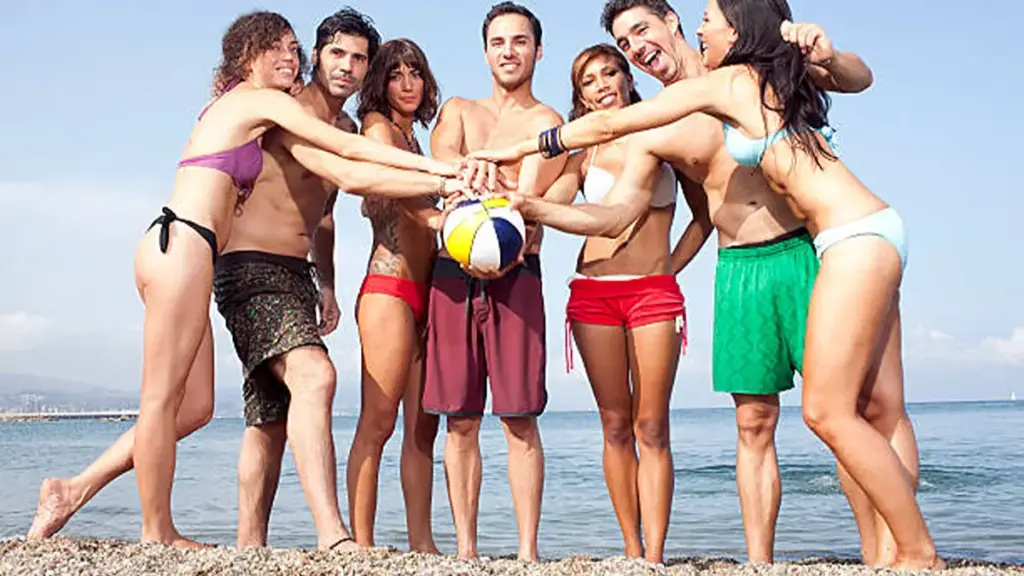
As casual swimwear alternatives, board shorts and swim shorts offer more coverage than traditional briefs while working well as everyday summer wear. Longer board shorts are commonly designed for activities such as surfing, while shorter swim shorts or trunks provide greater flexibility for swimming, relaxing, and moving easily from the pool to casual settings.
Board Shorts for Maximum Coverage and Durability
Designed for maximum coverage, board shorts typically feature longer cuts that reach the knee or fall slightly above it. Traditional styles usually come with a flat waistband and secure closure system, while newer designs may include elastic waistbands or adjustable drawstrings to improve comfort and fit.
Made from quick-drying synthetic fabrics, they are durable enough for various water sports but also comfortable enough to be worn as casual shorts. They are a popular choice for anyone seeking modesty, sun protection, or a style connected to surf culture.
Swim Shorts for Versatility and Everyday Comfort
Swim shorts, also known as swim trunks, are shorter than board shorts and typically hit above the knee at the mid-thigh. They have a fully elastic waistband with a drawstring for an easy fit and often include a built-in mesh lining for support.
This design is ideal for general swimming, lounging by the pool, and transitioning to casual street wear. These shorts balance swimming function with a versatile style that works for everyday summer activities.
Burkinis: A Full-Coverage Swimwear Option
Burkinis are designed for customers who prefer maximum coverage while swimming. A typical burkini includes a long-sleeve tunic, swim leggings, and sometimes a matching head covering, providing coverage from the shoulders to the ankles while maintaining freedom of movement in the water.
Unlike everyday clothing, burkinis are made from lightweight, stretch swim fabrics that dry quickly and support comfortable movement during swimming and other water activities. They are a popular choice for customers seeking modest swimwear options due to personal, cultural, or religious preferences.
For swimwear brands, adding burkinis and other full-coverage designs can help expand product ranges and reach customers looking for functional alternatives beyond traditional swimsuit styles.
Partner With an Experienced Swimwear Manufacturer for Custom Collections
Expanding into swimwear alternatives requires a manufacturing partner that understands both performance requirements and market trends. HW Swim Fashion helps brands develop custom rash guards, swim leggings, modest swimwear, and active swim collections with flexible OEM/ODM and private label swimwear solutions. With over 20 years of swimwear manufacturing experience, our team supports clients from fabric selection and pattern development to sampling and bulk production.
We offer low swimwear MOQ starting from 100 pieces, 7-day sample development, and 30-day bulk production to help brands test new styles and respond quickly to changing customer demand. Our capabilities include functional fabrics such as quick-dry, four-way stretch, and UV-protective materials, along with quality control and compliance support for international markets.
Choosing Swimwear Alternatives Based on Your Water Activity
The right gear for the water depends entirely on what you plan to do. High-intensity sports need secure, streamlined clothing that stays in place, while lower-impact activities allow for more relaxed, comfort-focused options that prioritize sun protection.
Options for High-Intensity and Performance Sports
For surfing or bodyboarding, a rash guard and board shorts combination is ideal. This pairing protects you from the sun and abrasive board wax, and the secure fit ensures everything stays in place when you’re navigating waves.
When you’re lap swimming, minimizing drag is key. Streamlined gear like jammers or compression shorts with a fitted performance top improves your hydrodynamics, helping you move through the water more efficiently.
For high-speed activities like jet skiing or wakeboarding, a rash guard and board shorts provide comfort and protection. This outfit shields your skin from water spray and potential impacts without restricting your movement.
Options for Low-Impact and Recreational Activities
If you’re going for a casual swim in a pool or lake, a simple activewear set works well. A sports bra paired with quick-dry shorts or leggings offers comfortable coverage for relaxed water activities.
When paddleboarding or kayaking, you’re exposed to the sun for extended periods. It’s smart to prioritize sun protection with long-sleeve swim shirts and swim leggings to cover your arms and legs.
Snorkeling keeps your back and legs exposed to direct sunlight. A long-sleeve rash guard and swim tights give you excellent coverage, shielding you from sunburn and protecting against minor scrapes on rocks or coral.
Final Thoughts
Demand for more coverage and sun protection continues to grow as customers look for swimwear that fits different lifestyles, activities, and personal preferences. Successful swimwear collections depend on using fabrics and designs specifically developed for water activities, rather than adapting general activewear products.
The next step is to align these product categories with your business goals. Review our catalog to analyze the technical specifications and designs of our current collections. Our team can then help you build a custom OEM order tailored to your specific market.
Frequently Asked Questions
What can I wear instead of a bathing suit?
You can choose from many swim-specific garments like rash guards, swim leggings, board shorts, and swim dresses. These are made from water-safe fabrics, offer more coverage than traditional suits, and are widely accepted at pools and beaches where regular street clothes are not.
What are the best alternatives to traditional swimwear?
Effective alternatives provide comfort and the right amount of coverage. Popular combinations include a rash guard with board shorts for a sporty feel, a swim dress for a feminine look, or a rash guard with swim leggings for maximum sun protection and modesty.
Can I wear a rash guard instead of a swimsuit?
Yes, a rash guard is a swim top designed for water use. It only covers your upper body, so you must pair it with a proper swim bottom. Options like bikini bottoms, board shorts, or a swim skirt complete the outfit for the pool or beach.
Can I wear leggings for swimming?
You should only wear leggings specifically designed for swimming. These are made from quick-drying swim fabrics, and many options are designed to better withstand repeated exposure to chlorine and saltwater. Many pools discourage regular cotton or gym leggings because these fabrics absorb water, become heavier, and are not designed for aquatic use.
Are swim dresses good for swimming?
Swim dresses are fully functional swimwear, provided they are made from proper swim fabric and include built-in briefs or shorts. They offer great coverage for the hips and thighs and allow you to move comfortably in the water, making them a popular modest option.
Can you wear board shorts instead of swimwear?
Board shorts are a type of swimwear bottom. They are made from lightweight, quick-drying fabric ideal for swimming and water sports. To make a complete swimsuit, you just need to pair them with a swim top like a bikini, tankini, or rash guard.
What is the best swimwear for more coverage?
For more coverage, combine a long-sleeve rash guard with swim leggings for full-body protection. Other great options include swim dresses that cover the thighs, high-neck one-piece suits, and full-coverage modest swim sets that include tunics and hoods.
What can I wear swimming if I don’t want to wear a swimsuit?
You can assemble an outfit that feels more like everyday clothing but is made from swim-safe materials. A rash guard with board shorts looks like a t-shirt and shorts. A swim dress looks like a casual summer dress. Both are designed for the water.