The difference between “bathing suit” Und “swimsuit” matters mainly when you’re choosing product names, SEO keywords, and marketing language for different audiences. Using the wrong term for your target audience can make your content feel less natural and may cause you to miss relevant search queries in certain markets.
This analysis clarifies the issue by breaking down terminology by market. We evaluate regional search data, from the US Northeast where “bathing suit” persists to global e-commerce where “swimsuit” is standard. We also explain an important manufacturing point: the terms “bathing suit” Und “swimsuit” do not determine the fabric or construction. Those specifications depend on the style, intended use, performance requirements, and target market.
Bathing Suit vs Swimsuit: Exploring the Core Meaning

Functionally, there is no difference. ‘Bathing suit’ and ‘swimsuit’ describe the same garment; the distinction is just language, regional preference, and how modern the word sounds.
A Shared Functional Definition
In the swimwear industry, “bathing suit” Und “swimsuit” generally refer to the same type of garment. In the swimwear industry, “bathing suit” Und “swimsuit” refer to the exact same category of clothing. Both are designed for swimming, sunbathing, and any other activity you’d do in the water. There is no functional distinction between them. Manufacturers do not create separate product lines simply because one product is called a “bathing suit” and another is called a “swimsuit.” The fabric, construction, and performance specifications are instead determined by the style, intended use, and target market.
This applies to all styles. The terms are interchangeable for everything from Einteiler, Bikinis, and tankinis to men’s trunks and competitive race suits. If it’s made to get wet, both names fit.
Differences in Language and Context
The difference is mainly linguistic and cultural. The term people use can vary by region, generation, and context. “Bathing suit” is often seen as the slightly older, more casual term. It’s still very common in conversational English, especially in parts of North America.
“Swimsuit” is generally the more modern and internationally familiar term, and it is common in retail, sports, and marketing contexts. However, “bathing suit” remains widely understood and commonly used in American English.
Historical Evolution of Bathing Suits vs Swimsuits
The terms evolved with the garment. “Bathing suit” is the older term, while “swimsuit” became increasingly common as swimming developed into a more active recreational and competitive pursuit, particularly in the early 20th century.
From ‘Bathing’ to ‘Swimming’: The Shift in Terminology
In the 18th and 19th centuries, sea bathing was a popular leisure activity, particularly at coastal resorts. Swimwear was designed primarily for modesty and coverage rather than the freedom of movement expected from modern swimwear. The garments they wore were named accordingly: “bathing gowns” or “bathing costumes.” As outfits became more standardized with separate tops and bloomers, the term “bathing suit” caught on. The terminology reflected the way people understood these activities at the time.
The shift happened in the early 20th century when swimming became a popular recreation and an organized sport. The activity itself changed, so the language had to adapt. Brands like Jantzen even marketed their products with slogans like “the suit that changed bathing to swimming.” The term “swimsuit” became more prominent as swimming developed into a recreational and competitive activity, with brands such as Jantzen helping popularize the language in the 1920s.
The two terms continued to coexist, but “swimsuit” became increasingly common in retail, sports, and international fashion. “Bathing suit” remained familiar in American English, particularly in casual conversation.
A Single Evolution in Design: From Wool Gowns to Performance Fabrics
Early swimwear placed much greater emphasis on modesty and coverage than modern swimwear does. The heavy garments of the period also restricted movement and were slow to dry. Women wore heavy, multi-layered wool or linen gowns that covered them from neck to ankle, sometimes with weights sewn into the hems to keep them from floating. Men’s suits looked more like full-body long johns. The material was thick, cumbersome, and totally unsuited for actual swimming.
The first major design leap came from function, not fashion. Around 1907, Australian swimmer Annette Kellerman promoted a form-fitting, one-piece wool suit that was practical for athletics. Her form-fitting one-piece suit challenged the modesty standards of the time, but the design gained attention because it allowed women to move more freely in the water. This marked the beginning of a single evolutionary track toward performance, even if people still called it a “bathing suit.”
The development of synthetic fibers later transformed swimwear. Nylon became important in the mid-20th century, while elastane added stretch and recovery to later generations of swimwear fabrics, making closer-fitting designs more practical. Two-piece swimwear had already appeared before and during World War II, but Louis Réard’s bikini, introduced in 1946, became a major turning point in swimwear fashion.
Today, that single design has branched into a huge family of styles. You have high-tech compression suits for Olympic athletes, fashion-forward monokinis for resorts, and full-coverage burkinis for modest wear. Modern swimwear has evolved from those early wool garments into a wide range of styles, including performance suits, fashion swimwear, and full-coverage options.
Launch Your Swimwear Line in 30 Days

Modern Bathing Suit vs Swimsuit Usage and Trends
While “bathing suit” Und “swimsuit” refer to the same garment, usage differs by region and age. The market is now shaped by inclusivity, sustainability, and fabric technology.
How ‘Bathing Suit’ and ‘Swimsuit’ Are Used Differently
In modern English, both “bathing suit” Und “swimsuit” describe the same piece of clothing. “Bathing suit” is the older term, hanging on from a time when people went “bathing” instead of actively swimming. “Swimsuit” grew popular as swimming became more of a sport.
You’ll still hear “bathing suit” used frequently in parts of the U.S. and among some older generations. “Swimsuit,” however, is more common in modern marketing, retail, and everyday usage among younger audiences. Some people may casually associate “bathing suit” with relaxing by the pool and “swimsuit” with more active swimming, but this is a matter of perception rather than product design. Manufacturers generally group both under the broader swimwear category, with the style, fabric, construction, and performance requirements determined by the product’s intended use.
Key Trends Shaping the Swimwear Market
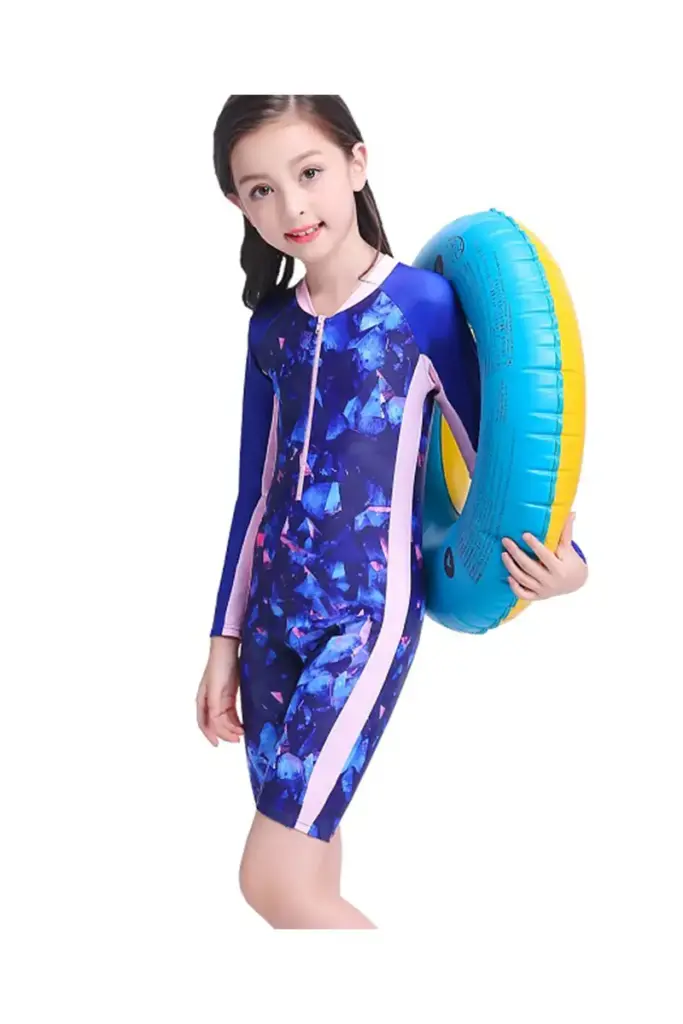
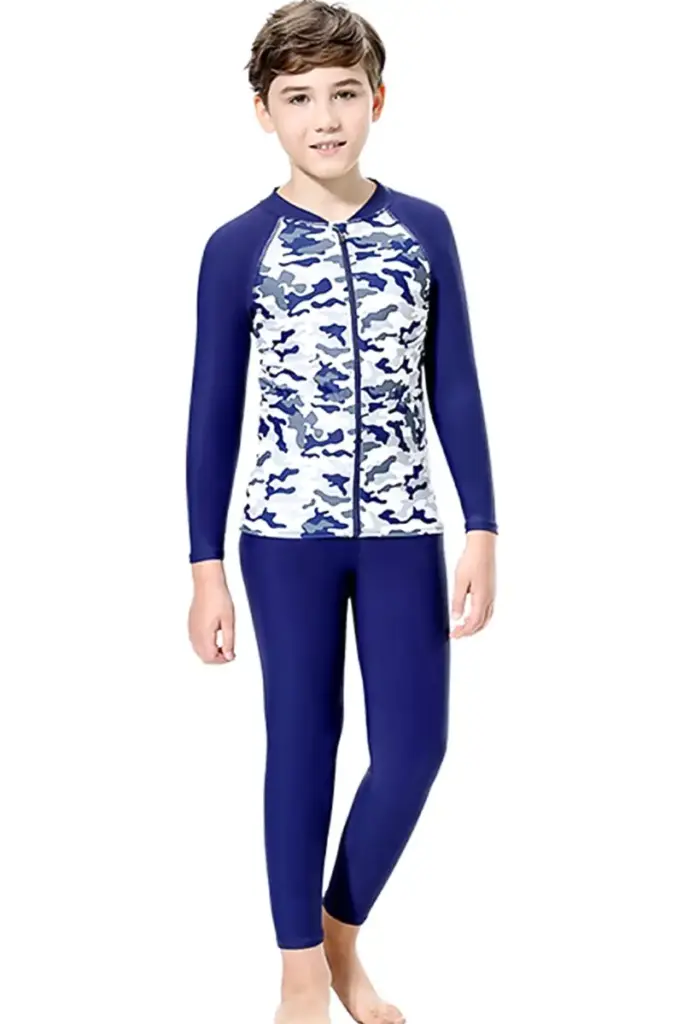
- Inclusivity and Modesty: Brands are finally expanding their size ranges to fit more body types. There’s also growing demand for modest options like swim leggings and long-sleeve tops, catering to both cultural and personal preferences.
- Sustainable Materials: A major trend is the use of recycled fabrics, especially regenerated nylon made from old fishing nets and other ocean plastics. This appeals directly to environmentally conscious buyers.
- Functional Fabrics: It’s no longer just about looks. Modern swimwear fabric often includes built-in UV protection, quick-drying capabilities, and high resistance to chlorine, blending fashion with real-world function.
- Market Growth: Driven heavily by e-commerce and social media, swimwear trends continue to evolve alongside broader consumer interests in inclusivity, sustainability, and performance fabrics.
Bathing Suit vs Swimsuit: Are They Different Products?

In the swimwear industry, “bathing suit” Und “swimsuit” refer to the same product. The difference is purely linguistic, driven by region and generation, not design or function.
The Linguistic Distinction: Regional and Generational Synonyms
The confusion comes from terminology rather than product design. In North American English, “bathing suit” Und “swimsuit” are generally used interchangeably, although usage can vary by region, age, and context.
The term you use often depends on where you live and how old you are. “Bathing suit” is the older term, and its use is still strong in the Northeastern United States and among older generations across North America. It often pops up in more casual, family-oriented conversations.
“Swimsuit” is generally the more modern and internationally familiar term, and it is widely used in retail, e-commerce, and athletic contexts. Younger consumers and brands targeting national or international audiences are also more likely to use “swimsuit” or the broader term “swimwear.” Outside North America, regional terms are still common, such as “swimming costume” in the UK and “togs” in Australia and New Zealand. For brands targeting international markets, however, “swimsuit” is often the more widely understood choice.
The Product Reality: A Single Merchandising Category
From an industry perspective, this is simple: there is only one product category. No manufacturer maintains separate design, sourcing, or production lines for “bathing suits” versus “swimsuits.” They are merchandised as a single group, typically under the umbrella of “swimwear.”
Whether it’s a one-piece, bikini, tankini, or men’s trunks, the product may be described as a swimsuit or bathing suit depending on the market and context. The actual materials and construction vary according to the style and intended use. Fabrics may include nylon, Polyester, elastane, or specialized performance fibers, while features such as stretch, quick drying, UV-Schutz, or chlorine resistance depend on the product requirements.
Any perceived nuance, like “bathing suits are for lounging” Und “swimsuits are for sport,” is a soft marketing association, not a technical specification. A brand might use “bathing suit” to evoke a retro, leisurely vibe, but the product itself is built to the same standards as one they might call a “swimsuit.” In the back end, retailers categorize products by style, function, and fabric—not by this linguistic difference.
Regional Keyword Trends: Bathing Suit vs Swimsuit
The terms ‘bathing suit’ and ‘swimsuit’ are interchangeable for the product. The real difference is regional dialect, which directly impacts keyword strategy in English-speaking markets.
| Market | Common Terminology |
|---|---|
| North America | |
| United States |
|
| Canada | Both ‘bathing suit’ and ‘swimsuit’ are used widely and interchangeably. |
| Key International English Markets | |
| United Kingdom | ‘Swimming costume’ (often shortened to ‘cossie’) is most common. |
| Australia | Common regional terms include “swimmers,” “bathers,” Und “togs,” with usage varying across regions. |
| New Zealand | ‘Togs’ is the standard term. |
| South Africa | ‘Cozzie’ and ‘swimsuit’ are both common. |
Choosing Bathing Suit vs Swimsuit for Your Brand
The choice between “bathing suit” Und “swimsuit” is purely a branding and SEO decision. The terms are synonyms for the same product, but they target different audiences.
Audience, Region, and Brand Identity
Deciding which term to use starts with who you’re talking to and what vibe you want to project. There’s no physical difference between a “bathing suit” and a “swimsuit”—manufacturers don’t use separate production lines for them. The distinction is all about marketing language.
“Bathing suit” resonates with an older, more traditional customer base. It’s the term of choice in the Northeastern U.S. and is common in casual, family-oriented conversations. Brands that sell a nostalgic, classic, or relaxed resort lifestyle can use “bathing suit” to build a specific brand identity.
“Swimsuit” is the more modern, global, and neutral term. It dominates national retail, e-commerce, and any context related to athletics or performance. Younger audiences (under 40) and international customers search for “swimsuit.” If your brand is fashion-forward, athletic, or targets a broad digital audience, “swimsuit” is your default.
Your brand’s identity should guide the decision:
- Use “Bathing Suit” for a vibe that is: Nostalgic, familial, coastal, or focused on leisure and sunbathing.
- Use “Swimsuit” for a vibe that is: Modern, athletic, fashion-forward, or global.
While some consumers informally associate “bathing suit” with lounging and “swimsuit” with active swimming, this is a soft perception, not a technical rule. The key is to align your language with the audience you want to attract.
SEO and Copywriting Implementation
You don’t have to choose just one term. The best strategy is to use both to maximize your reach. Your primary e-commerce architecture should be built around the more common industry terms, with the secondary term used in content and descriptions.
For site structure and primary keywords, “swimsuit” and the broader category “Badebekleidung” are the standards. This aligns with how major retailers categorize products and how most online shoppers search globally. Use these terms for your main navigation menus and category page titles.
Integrate “bathing suit” to capture valuable, long-tail search traffic from specific demographics and regions. This is best done in:
- Blog Posts and Guides: Titles like “How to Find the Perfect Bathing Suit for Your Vacation.”
- Product Descriptions: Casually drop the term in narrative copy. For example, “This one-piece swimsuit is the perfect bathing suit for your next beach day.”
- FAQ Pages: Directly address both terms to catch search queries like “What’s the difference between a swimsuit and a bathing suit?”
- Meta Descriptions & Page Titles: A title like “Women’s Swimsuits & Bathing Suits | [Your Brand Name]” covers both bases immediately.
Using both terms gives your site a better opportunity to match searches from customers who prefer “bathing suit” as well as those who use “swimsuit.”
From the Right Term to the Right Product
Once a brand settles on the terminology it wants to use, the next step is making sure the product behind that name is developed to match the intended market. HW Schwimmmode supports brands with OEM, ODM, Und private label development, backed by more than 20 years of swimwear manufacturing experience. Its in-house R&D team works on design development, pattern grading, sampling, and production, which is useful when a collection includes multiple sizes or requires detailed fit adjustments. The factory also supports a range of Badebekleidung categories, from Bikinis Und einteilige Badeanzüge to rash guards, kids’ swimwear, Und men’s styles. For startups and growing brands, its swimwear MOQ options can also make smaller test orders more manageable. For brands with specific sustainability or compliance requirements, HW Swim Fashion offers recycled material options such as ECONYL® and REPREVE® and operates with BSCI-certified manufacturing. This combination allows brands to move beyond choosing the right keyword and develop swimwear that fits their positioning, technical requirements, and target customers.
Swimwear Manufacturing: How Style and Function Affect the Product

The terminology does not determine how a swimsuit is manufactured. Fabric selection and construction depend on factors such as the style, intended use, required performance, and target market. A fashion-focused swimsuit may prioritize softness and stretch, while training or performance swimwear may place greater emphasis on chlorine resistance, Haltbarkeit, and shape retention.
Material and Component Selection
While consumers use the terms interchangeably, manufacturing specifications are driven by the garment’s intended use, Stil, performance requirements, and target market. Getting the components right is the first and most critical step.
- One of the main manufacturing considerations is swimwear fabric selection. Depending on the product’s intended use, swimwear may use soft nylon/elastane blends or more chlorine-resistant polyester-based fabrics for performance applications.
- Lining has to match the outer fabric’s stretch perfectly. A mismatch causes puckering and ruins the fit, but the right lining provides vital opacity, comfort, and support.
- Threads and elastics should be selected to withstand repeated exposure to chlorine, saltwater, sunscreen, and other conditions encountered during wear. Using unsuitable components can accelerate degradation and shorten the garment’s service life.
- Any support components like cups, Bügel, or metal clasps must be corrosion-resistant and attached securely to handle constant wet conditions without rusting or breaking.
Construction and Quality Testing
Material quality is only part of a swimsuit’s durability. Construction, stitching, fit, and quality control also affect how the garment performs during repeated use.
- Seam construction, like using flatlock or reinforced stretch seams, is critical for comfort and preventing seam blowouts during movement.
- Swimwear patterns must account for how stretch fabrics behave both on the body and in wet conditions. Depending on the fabric and style, designers may use negative ease to help the garment stay securely in place during movement. This often means using negative ease to ensure the suit stays put in the water.
- Quality control may include checks or testing for factors such as chlorine resistance, UV performance, stretch recovery, colorfastness, seam strength, and dimensional stability, depending on the product specifications and market requirements.
- Final inspections can include checking seam integrity, lining attachment, garment symmetry, measurements, and visible defects before packing and shipment.
Häufig gestellte Fragen
What is the difference between a swimsuit and a bathing suit?
In modern English, “swimsuit” Und “bathing suit” generally refer to the same type of swimwear for swimming and other water activities. The main difference is terminology rather than product design. The style, fabric, and construction of a swimsuit depend on its intended use and target market, not on whether it is called a swimsuit or bathing suit. “Bathing suit” is an older term that remains common in American English, while “swimsuit” is generally more common in modern retail, sports, and international contexts.
What are the different types of swimsuits?
Swimsuits come in many styles, usually grouped by their construction. Common types include the one-piece, a single garment covering the torso, and the two-piece, which has a separate top and bottom. Popular two-piece styles are the bikini and the tankini, which offers more coverage with a longer top. Other styles include the monokini (a one-piece with cut-outs), swim dresses for added coverage, and rash guards for UV protection. Men’s styles typically include trunks, board shorts, briefs, and jammers for competitive swimming.
Letzte Gedanken
The difference between “bathing suit” Und “swimsuit” is mainly a matter of language, region, and audience rather than product design. For brands, using the right term can make product pages, SEO content, and marketing copy more natural for the customers you want to reach.
Planning a new swimwear collection? Request a sample to evaluate the fabric, fit, and construction before placing a bulk order. HW Schwimmmode supports OEM/ODM projects with a 100-piece MOQ and rapid sampling for brands developing new styles.