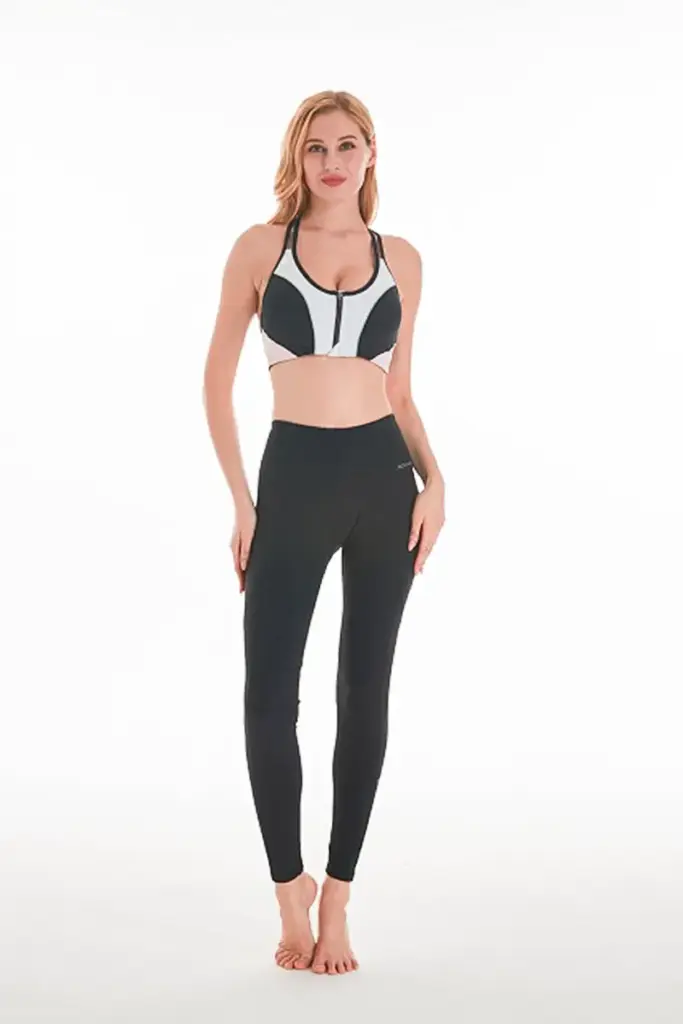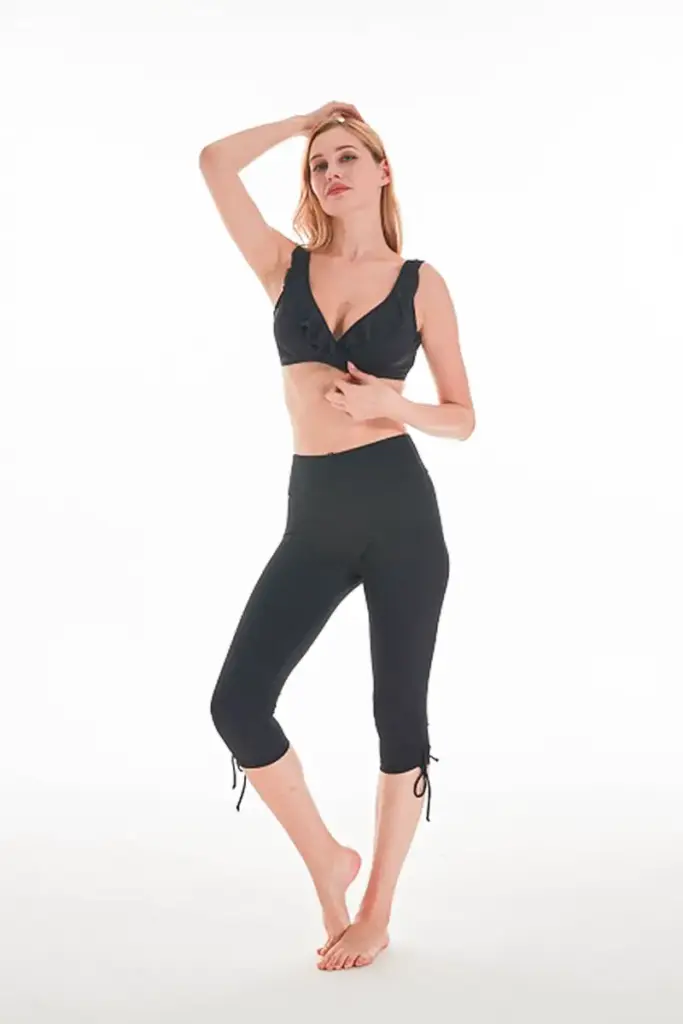
Finding the best plus size swimwear starts with getting the pattern and fit right. Simply scaling a smaller-size pattern upward can create problems with bust placement, torso length, support, and overall garment balance as sizes increase. A successful fit goes beyond appearance. It needs to support the body, allow comfortable movement, and keep the garment stable throughout wear.
This guide looks at the construction details that matter most in plus size swimwear. We evaluate bust support systems like underwire and molded cups, torso control from full power-mesh linings, and fabric performance based on stretch, recovery, and durability.
Best Plus Size Swimwear Features to Look For

Forget flashy patterns. The best plus-size swimwear is all about engineering: strong support, smart fabrics, and a fit that actually works in the water.
Structural Support and Fit
The foundation of any good plus size suit is its internal structure. Without proper engineering for support and fit, even the best-looking swimsuit will fail during wear. Focus on the core mechanics before anything else.
- Prioritize bust support. Look for bra-sized cups, underwire, or molded cups paired with wide, adjustable straps. These features help distribute bust weight more effectively and can reduce pressure on the shoulders.
- Demand midsection control. A suit with a full-torso power-mesh lining or dedicated tummy-control panels provides support that smooths without squeezing you into discomfort. A small front control panel may provide some smoothing, but it does not offer the same level of coverage or support as a full torso lining.
- Ignore generic sizing. Choose brands that offer numerical sizing (16W, 18W, etc.) or provide detailed measurement charts for bust, waist, hip, and torso length. Generic S–XL sizing can make it harder to achieve a consistent fit, especially across plus-size ranges.
- Check for a stable frame. Side boning or reinforced seams are crucial for keeping the suit’s structure intact. These features prevent the torso fabric from rolling or folding, which is a common failure point.
Fabric Quality and Secure Coverage
The material itself does a lot of heavy lifting. Fabrics with poor stretch and recovery can lose their shape, sag, or become less supportive over time. This can be more noticeable in plus-size garments, where the fabric may be placed under greater tension.
- Look for high elastane content. A higher elastane content can provide the stretch and recovery needed for a supportive plus size swimsuit, although the ideal blend depends on the fabric construction and intended use.
- Select for durability. For swimwear intended for frequent outdoor use, chlorine resistance and a high level of UV protection, such as UPF 50+, can add meaningful performance benefits. They extend the functional life of the suit and offer real skin protection.
- Verify stay-put design. A well-engineered suit has leg openings and necklines that stay put during movement. Test this by walking and raising your arms; any riding up or gaping is a sign of a poor cut.
- Opt for double-lined panels. Full lining, especially in the bust and front panels, is key. Full lining can improve opacity when the outer fabric is wet and add stability and coverage.
Understanding Inclusive Sizing in Plus Size Swimwear
A proper fit in plus-size swimwear relies on your body measurements—bust, waist, hips, and torso—not generic clothing sizes. Always use the brand’s chart for accuracy.
Core Body Measurements for an Accurate Fit
Forget your standard dress size. A reliable fit in plus-size swimwear comes down to four key body measurements. These are the non-negotiables that brands use to design suits that actually work.
- The fullest part of your bust.
- Your natural waist (the narrowest point of your torso).
- The fullest part of your hips and seat.
- Your torso length, measured from shoulder to crotch and back up.
That torso measurement is especially critical for one-piece swimsuits. If it’s too short for your body, the suit will constantly pull at your shoulders and ride up uncomfortably. A correct torso length ensures everything stays put. Brands provide size charts that map their alpha sizes (like 1X, 2X, or 3X) to these specific measurement ranges, giving you a much more reliable path to a good fit than just guessing.
Applying Measurements to Find the Right Suit
Grab a soft measuring tape and get your bust, waist, hip, and torso dimensions. Then, compare those numbers directly against the brand’s size chart. Sizing isn’t standardized across the industry, so you can’t assume your size from one brand will carry over to another. Your measurements are your only source of truth.
If your measurements fall between two sizes, compare the brand’s bust, waist, hip, and torso measurements and consider which area needs the most room. One-piece suits may require particular attention to torso length. This gives you better comfort and coverage, which is especially important in structured one-piece styles that have less give. Beyond sizing, look for design features that match your support needs.
- Bust Support: Look for bra-sized cups, built-in molded cups, underwire, or a strong shelf bra to provide lift and prevent spillage.
- Strap Design: Wider straps are crucial for distributing the weight of a fuller bust and preventing painful digging into your shoulders.
- Adjustability: Adjustable straps and back closures allow you to customize the fit for your unique torso length and bust shape.
Low MOQ Custom Swimwear, Ready in 30 Days
Essential Support and Structure for Plus Size Swimwear
Effective plus size swimwear relies on an internal chassis of bust support and torso control—not just stretchy fabric—to manage load and maintain shape during movement.
Bust Support: From Underwires to Wireless Systems
For plus size swimwear, especially for D+ cup sizes, bust support isn’t an afterthought; it’s a core engineering challenge. The two primary approaches are underwire and wireless systems. An underwire construction is essentially a bra built directly into the swimsuit. It uses a flexible wire frame to help lift and separate the bust, while the underband provides a more stable anchor for support. Underwire systems are often combined with sewn or molded cups that help shape and contain the bust, depending on the design.
Wireless support systems are not simply suits without wires. They are engineered structures that rely on internal shelf bras, wide elastic underbands, and strategically placed power mesh panels. These components work together to lift and contain the bust through fabric tension and compression. While underwire offers more rigid separation, a well-designed wireless suit provides excellent support and comfort by using wide straps and a firmly anchored band to compensate for the lack of a wire frame.
Torso Control and Garment Stability
Torso control is about creating a smooth, stable silhouette without resorting to restrictive compression. The key component for this is power mesh, a high-recovery, net-like lining that acts as an internal framework. Panels of power mesh are placed across the abdomen and waist to provide targeted smoothing and support, which is what most “tummy control” suits use to deliver results.
Garment stability ensures the entire suit stays in place and doesn’t roll, sag, or shift under load. This is achieved through anchoring systems. Wide, firm underbands and reinforced side seams prevent the fabric from collapsing or buckling. Some high-support designs also incorporate flexible side boning. This small detail can help stabilize the side of the suit and reduce folding or collapsing around the torso. These elements work together to maintain the suit’s integrity, whether you’re swimming or just walking.
Plus Size Swimwear Fabric: Stretch and Recovery

Plus size swimwear demands fabric with high stretch to fit curves and strong recovery to prevent bagging. This combination is non-negotiable for support, comfort, and durability.
The Importance of 4-Way Stretch and High Recovery
Plus size swimwear requires more from its fabric than standard sizing. The material must accommodate fuller busts, hips, and stomachs without losing its shape or support. This is where stretch and recovery become critical performance metrics.
Stretch is the fabric’s ability to elongate over curves. For plus size fit, 4-way stretch—stretching both lengthwise and widthwise—is essential. It allows the garment to move with the body instead of restricting it. Quality swim fabrics need enough stretch to accommodate the body without restricting movement, while still providing strong recovery after stretching.
Recovery is the fabric’s ability to snap back to its original shape after being stretched. Poor recovery can lead to bagging around the seat, bust, and waist over time, which may reduce support and affect the intended fit. Loss of shape can reduce support, affect how securely the suit stays in place, and alter its performance during movement. Strong recovery is especially important in plus size swimwear because the fabric needs to return to shape after repeated stretching.
Key Fibers that Deliver Performance
The performance of plus size swimwear depends on the balance of fiber content, fabric construction, stretch, recovery, and durability. Elastane provides the elasticity needed for a close, supportive fit, while the base fiber and fabric construction influence softness, chlorine resistance, UV performance, and shape retention.
- Nylon–Spandex Blends: These are popular for fashion-driven swimwear because of their soft hand feel, stretch, and drape. Chlorine resistance can vary depending on the specific fiber and fabric construction, so these blends are often well suited to fashion, resort, and recreational swimwear rather than intensive pool use.
- Polyester–Spandex Blends: Polyester-based swim fabrics are often preferred for regular pool use because polyester generally offers better chlorine resistance than standard nylon. The fabric can also have a firmer feel that works well for supportive and shaping swimwear, although the performance of the elastane component should also be considered.
- Polyester/PBT Blends: Often used in performance and training swimwear, these fabrics offer strong chlorine resistance and shape retention. Their firmer, more compressive feel can work well for shaping liners and internal support panels in plus size swimwear.
While elastane contributes to stretch and recovery, standard elastane is more vulnerable to chlorine exposure than chlorine-resistant elastane grades designed for swimwear. This is why some swimwear manufacturers use specialized chlorine-resistant elastane, such as LYCRA XTRA LIFE or other high-performance options, to help maintain fit and performance over time.
Flattering Design Elements for Plus Size Swimwear

Flattering swimwear relies on two things: strong internal construction for support and smart visual design that creates balanced, proportionate lines. One without the other won’t work.
When we talk about what makes a plus size swimsuit “flattering for different body shapes,” it’s not about hiding the body. It’s about using proven design and construction techniques that support curves, create a smooth silhouette, and provide comfort. The best designs combine a solid foundation with clever visual details.
Foundational Support and Construction
Much of a swimsuit’s support and fit comes from its underlying construction. Before you even get to color or print, these non-negotiable construction elements are what provide actual shape and support. Without a solid foundation, the suit will fail in the water.
- Power mesh and other supportive lining materials are commonly used to provide targeted shaping and support through the midsection. This internal layer offers gentle compression that holds and supports without feeling restrictive.
- Supportive bust construction is critical, especially for D-cups and above. Features like underwire, molded cups, and wide underbust bands provide necessary lift, separation, and shape that won’t collapse when wet.
- Wide, adjustable straps and a secure back or underband can help distribute support more comfortably and keep the suit in place. This prevents the straps from digging into the shoulders and keeps them from slipping during activity.
- Durable stretch fabric blends can provide the four-way stretch needed for comfort and support. Strong recovery helps the fabric return toward its original shape after repeated stretching, reducing the risk of bagging around areas such as the seat and bust.
Strategic Cuts and Visual Details
Once the support structure is in place, designers use visual elements to guide the eye and enhance the silhouette. These techniques are less about hiding and more about creating balance and proportion.
- Ruching, draping, and wrap-front styles are functional, not just decorative. They create visual texture that expertly camouflages and smooths the midsection, making them a go-to feature in one-pieces and tankinis.
- Vertical seams and well-placed color blocking can completely change a suit’s perceived shape. Dark side panels with a lighter or patterned center visually narrow the waist and create an hourglass illusion.
- V-neck and sweetheart necklines are effective because they open up the chest and elongate the upper body. This draws attention upward and creates a flattering frame for the bust.
- High-waisted bikini bottoms smooth the lower abdomen and define the waist. When combined with thoughtfully placed leg openings that don’t cut across the widest part of the thigh, they help create a balanced, elongated line.
Plus Size Swimwear Production and Size Grading
Producing plus-size swimwear isn’t just scaling up. It demands a dedicated workflow and non-linear, anatomy-anchored grading to ensure fit, support, and performance across the entire size range.
Getting plus-size swimwear right means throwing out the standard playbook. You can’t just take a size 8 pattern and blow it up to a 5X; the geometry, support needs, and body proportions are fundamentally different. A successful program treats plus-size development as its own discipline, from the initial pattern block to how you validate the final fit.
Here’s a breakdown of the two core pillars: the OEM production process and the grading strategy. Both must work together, anchored to the realities of a plus-size body.
| End-to-End Production Workflow | Anatomy-Anchored Size Grading |
|---|---|
|
|
Building Inclusive Collections of Plus Size Swimwear
Successful plus-size swimwear isn’t scaled-up; it’s engineered from scratch with plus-specific patterns, materials, and support structures to manage fit, load, and durability.
Sizing Architecture and Pattern Development
The biggest mistake brands make is grading up a standard size 8 pattern. That approach fails because it doesn’t account for the fundamental differences in body geometry. True plus-size pattern making starts with a plus-size fit model—typically a size 1X or 2X—to build a dedicated base block. This ensures the design is anchored to a realistic anatomy from the beginning.
From there, grading isn’t a simple linear expansion. The rules must adapt to how a plus-size body changes across sizes. For instance, the increments for bust, waist, and hip are non-linear and often increase at key size breaks, like between 2X and 3X. Anatomy-anchored grading is critical. It ensures that key fit points—like the bust apex, underbust line, and gusset placement—remain correctly positioned relative to the body, rather than just floating outward as the suit gets wider. This prevents common failures like misplaced bust support or a gusset that shifts too far forward or back on larger sizes.
Patterns must also account for different torso lengths, fuller thighs, and higher front and back rises for adequate belly and seat coverage. Without these considerations built into the pattern itself, the final product will pull, gape, or roll, no matter how good the fabric is.
Fit Engineering and Material Selection
In plus-size swimwear, the internal structure does most of the heavy lifting. The design must be engineered to manage load, especially at the bust and midsection. This requires more than just a decorative outer layer; it’s a system of supportive components working together.
- Bust Support: For D+ cup ranges, stronger bust support is especially important. Depending on the design, this can come from underwire, molded or sewn cups, an internal shelf bra, a firm underband, or a combination of these features. They provide lift and separation that a simple shelf bra can’t. This structure is supported by wide, adjustable straps to distribute weight and prevent shoulder digging, and a firm underband that acts as the primary anchor.
- Torso Control: Power mesh is the workhorse here. It’s a high-recovery, high-stretch internal lining that provides smoothing and compression across the abdomen without feeling restrictive. A full front panel of power mesh is far more effective than a small patch.
- Frame Integrity: Side boning and reinforced side seams prevent the garment from collapsing or rolling at the waist. These elements help maintain the suit’s shape and keep the bust projected forward, not outward.
Material selection is just as critical. Plus-size suits put more stress on fabric, so stretch and recovery performance is paramount. A fabric that stretches but doesn’t snap back will bag at the seat and bust after one wear. We look for swimwear blends that provide sufficient four-way stretch and strong recovery, with the fiber composition selected according to the desired fit, support, and end use. Fabric weight should be considered alongside stretch, opacity, lining, and garment construction.
The choice between nylon and polyester blends comes down to the use case. A nylon/spandex blend offers a softer, more luxurious feel for resort wear. For frequent pool use, a chlorine-resistant polyester-based blend can be a practical choice. Chlorine exposure can degrade standard elastane over time, so the performance of the elastane component should also be considered when durability is a priority. Polyester-based fabrics can offer good shape retention, particularly when paired with an elastane designed for swimwear performance.
Plus Size Swimwear Development with Hewang Fashion
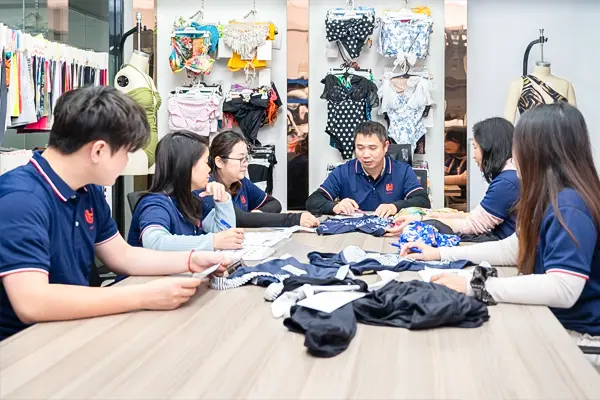
For brands developing a plus size swimwear collection, fit consistency depends on more than a well-designed sketch. Hewang Fashion combines in-house pattern development, CAD grading, and specialized production equipment to help translate fit requirements into production-ready garments. Our team can work from your tech pack or support the development process through OEM and ODM services, with attention to pattern accuracy, size grading, fabric selection, and construction details. With 20 years of swimwear manufacturing experience, we understand how changes in fabric stretch, body measurements, and garment structure can affect the final fit across a size range. Our factory also uses dedicated equipment for high-stretch fabrics and follows structured quality-control procedures to check measurements, stitching, and overall consistency. For brands building inclusive collections, this combination of technical development and manufacturing experience helps turn plus-size fit concepts into commercially viable swimwear.
Frequently Asked Questions
What makes a plus size swimsuit the “best”?
The best plus size swimwear combines supportive construction, an inclusive size range, and design details that serve specific needs. It’s not about one single suit, but about finding one with features like built-in underwire or molded cups for bust support, wide adjustable straps to distribute weight, and fabrics with suitable stretch and recovery characteristics for shaping, comfort, and durability.
What swimsuit style is most flattering for curves?
Styles that blend structural support with strategic design tend to be the most flattering. One-pieces with built-in power mesh and tummy control smooth the midsection. High-waisted bikinis help define the waist while allowing for a custom fit. Wrap-style suits create lines that draw the eye inward. Ultimately, a secure fit and good construction are more important than any single silhouette.
How should plus size swimwear fit?
A good fit should feel secure when dry without being painfully tight. The suit should continue to feel supportive in the water without becoming excessively loose, restrictive, or difficult to move in. The bust should be fully contained and lifted without spillage, and the band should provide most of the support. Straps and leg openings should not dig in, and the suit should stay in place when you move, sit, or swim, without needing constant adjustment.
How do I find my correct size in plus size swimwear?
Start by taking your measurements for your bust, waist, hips, and torso. Always compare these numbers to the specific brand’s size chart, as sizing can vary significantly. Don’t rely on your typical clothing size. For one-pieces, your torso measurement is especially important to prevent pulling. For two-pieces, order tops and bottoms in different sizes if needed to best match your proportions.
What fabric is best for plus size swimsuits?
Nylon-spandex blends are soft and offer great stretch, making them comfortable for beach wear. For frequent pool use, look for chlorine-resistant polyester blends, as they maintain their shape and color much longer. For shaping and support, many well-constructed suits use power mesh or other supportive lining materials together with an outer fabric selected for appropriate stretch and recovery.
Are high-waisted swimsuits a good option for plus sizes?
Yes, high-waisted bottoms are often an excellent choice. They provide more coverage for the stomach, offer support for the midsection, and help create a defined waistline. They are most effective when made with supportive fabrics like power mesh and are paired with a top that provides adequate bust support.
Final Thoughts
Entering the plus-size market with scaled-up, standard-grade swimwear is a commercial liability. Success depends on engineering garments from plus-specific patterns and integrating structural support like power mesh and underwires. This methodology is the only defense against the high return rates and brand damage caused by poor fit and performance failures.
Don’t leave quality to chance—verify our engineering firsthand. We recommend a strategic review of our collection’s technical specifications to see how these principles are applied. Contact our team to discuss OEM production or building a white-label assortment that will capture this market.