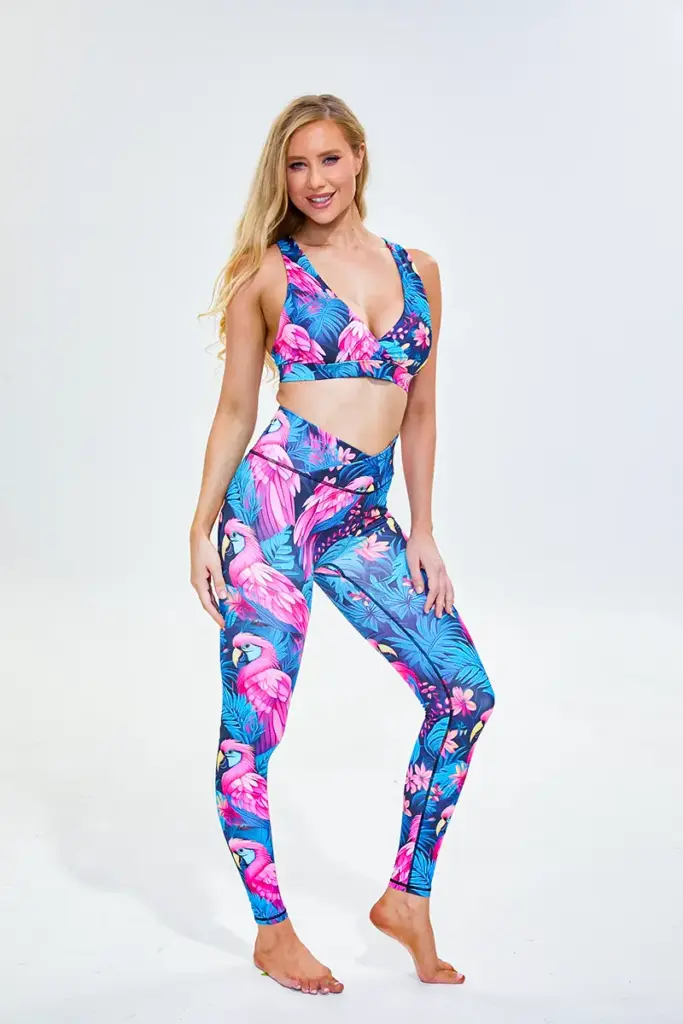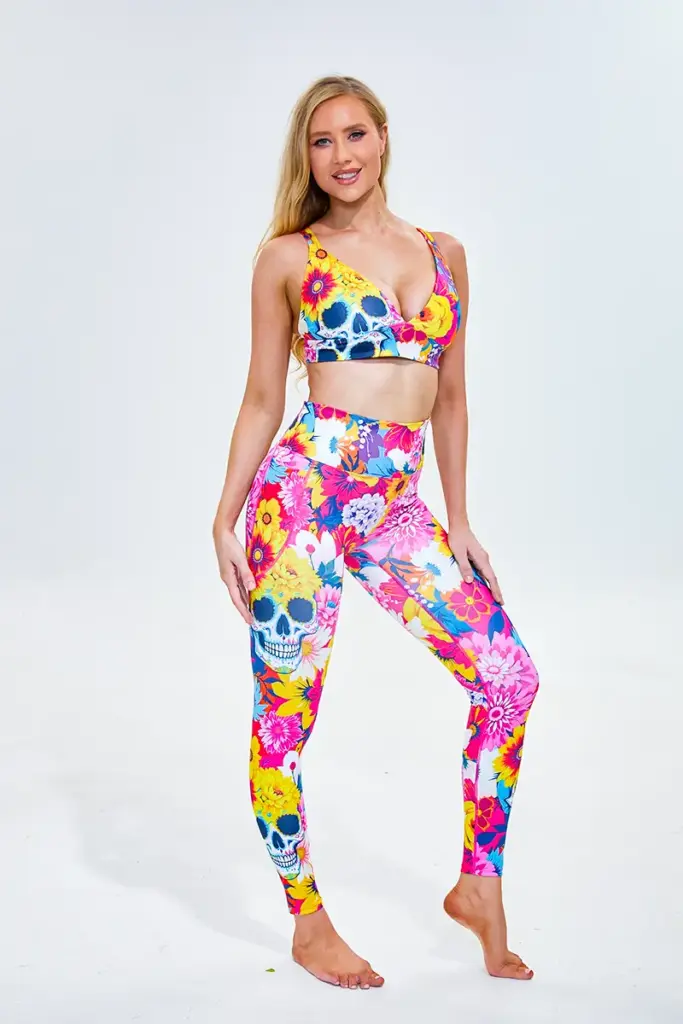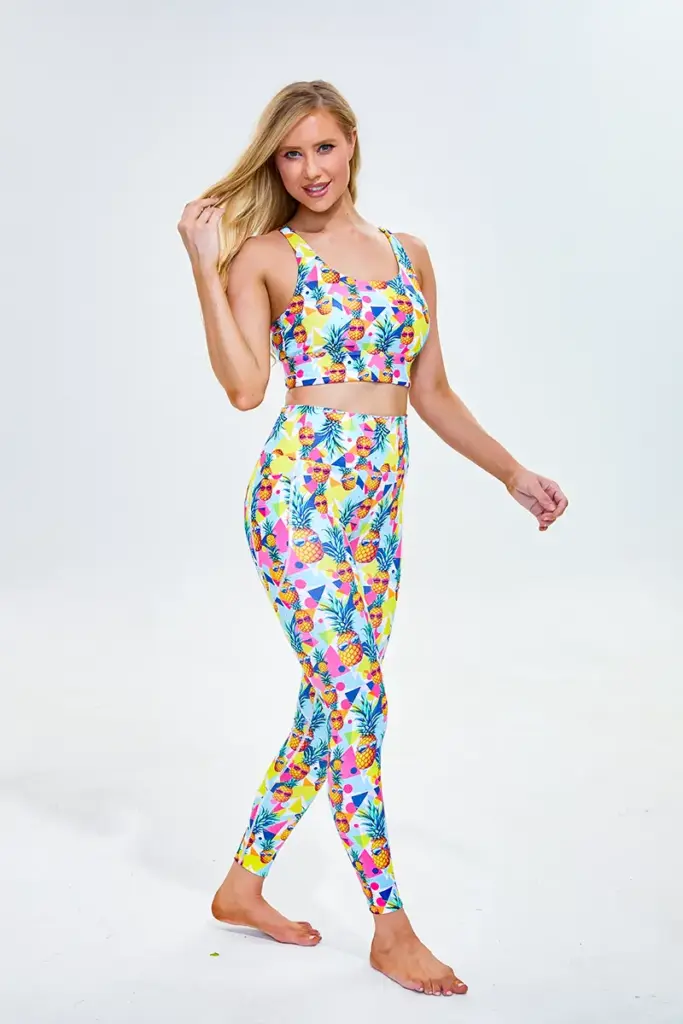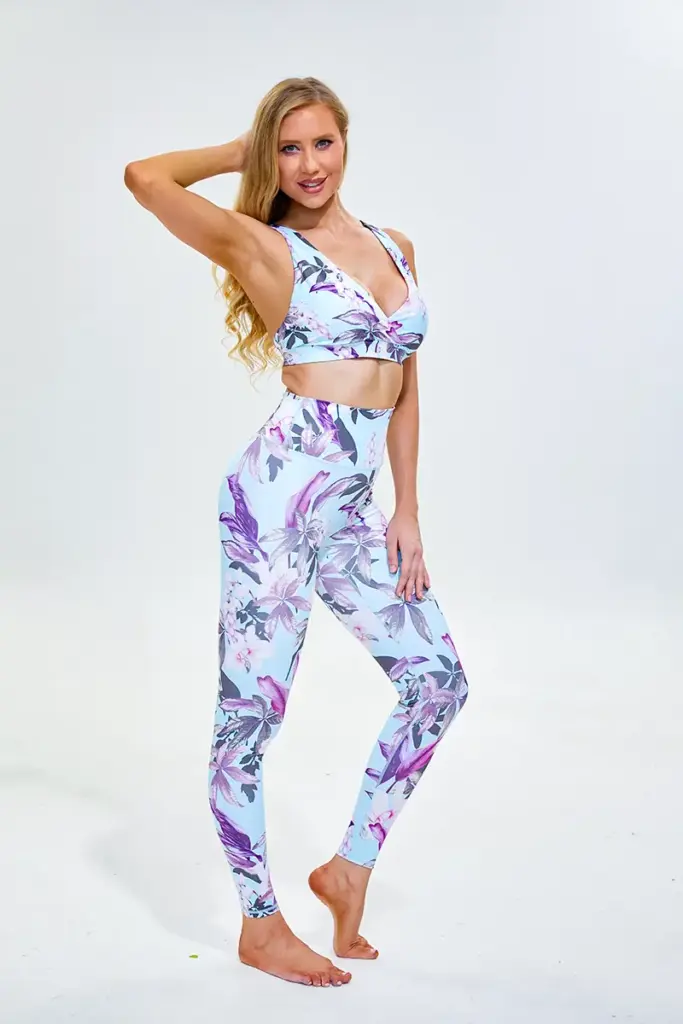
Choosing the right swimwear fabric material plays an important role in product quality, customer satisfaction, and long-term brand reputation. For example, a nylon-based fabric may provide a soft and premium feel for fashion swimwear, but it may not be the best choice for products exposed to frequent chlorine use, where polyester-based fabrics usually offer better durability.
This guide compares the most common swimwear fabric materials used by brands today, focusing on key factors such as softness, chlorine resistance, stretch recovery, and fabric weight (GSM), helping you select the right material for different product applications. This ensures your material choice aligns with your product’s intended use and quality standards.
Swimwear Fabric Material: Understanding the Basics
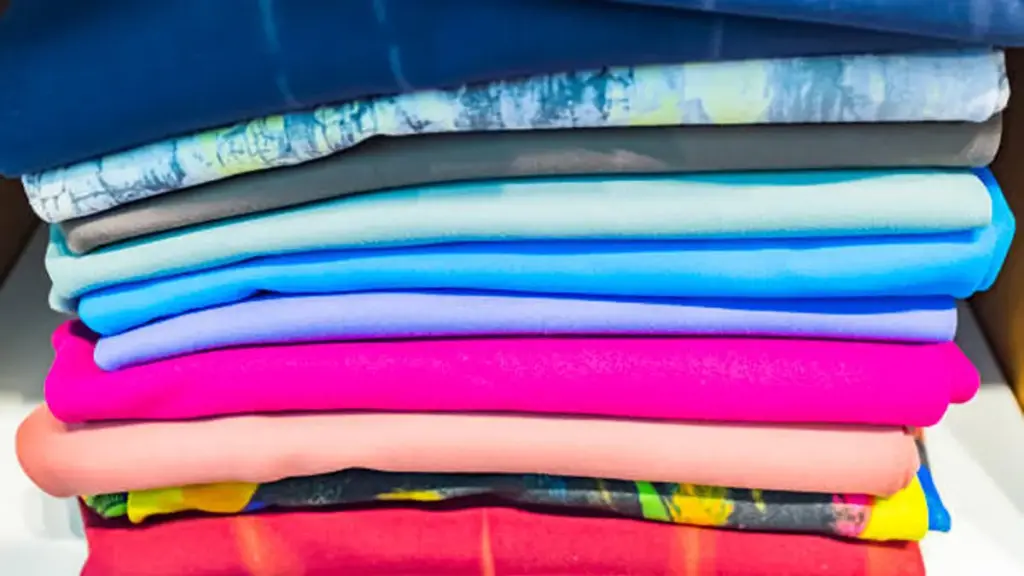
Swimwear fabrics are typically made from nylon or polyester blends, with elastane (spandex) added in many applications to provide stretch, recovery, and a body-hugging fit.
The Core Fibers: Nylon, Polyester, and Spandex
Swimwear fabric comes down to a few key ingredients that are blended to balance comfort and durability. The specific mix determines how a suit feels, performs, and lasts.
- Nylon (polyamide) remains one of the most popular choices for fashion swimwear because of its soft hand feel, smooth surface, and comfortable stretch.
- Polyester delivers superior durability. It has much stronger resistance to chlorine, UV fading, and repeated wear, making it the workhorse for training and active swim.
- Spandex (elastane) is the critical ingredient for stretch and recovery. It allows for a snug, body-hugging fit and typically makes up 10–25% of the final fabric.
This leads to two common blends you’ll see everywhere: a nylon-spandex mix for comfort-focused suits, and a polyester-spandex mix for longevity in chlorinated pools.
Essential Performance Properties
Beyond the fiber type, a few functional traits define whether a fabric is truly suitable for swimwear.
- A good suit requires 4-way stretch to move freely with the body. Excellent recovery is just as crucial, so the fabric retains its shape and doesn’t sag after use.
- Chlorine resistance is vital for any suit intended for pool use. Polyester and specialized PBT fabrics significantly outperform nylon in this area.
- The fabric’s construction contributes to its UV protection. Tightly knit polyester, for example, offers strong sun-blocking potential.
- Quick-drying behavior is a fundamental trait of all synthetic swimwear, preventing that uncomfortable, waterlogged feeling.
The Most Common Swimwear Fabric Materials Explained
Swimwear fabric choice is a direct trade-off. Nylon blends offer superior softness for fashion, while polyester and PBT provide the chlorine durability needed for frequent pool use.
Nylon-Spandex: The Go-To for Softness and Fashion
When a brand prioritizes a luxurious hand-feel and a body-hugging fit, they almost always start with a nylon-spandex blend. This fabric, typically an 80/20 or 85/15 composition, is exceptionally soft, smooth, and drapes well, making it the standard for fashion bikinis, resort wear, and trend-driven collections influenced by current swimwear trends. The high elastane content provides the excellent 4-way stretch needed for flattering silhouettes and comfort during light activity.
The critical trade-off is its poor resistance to chlorine. Nylon fibers and the spandex component degrade relatively quickly in chlorinated pools, leading to fabric thinning, color fade, and loss of elasticity. Under frequent chlorine exposure, standard nylon-spandex fabrics generally lose elasticity faster than polyester-based alternatives, especially when lower-quality elastane is used. This makes it a great choice for beach vacations and occasional use but a poor investment for swim teams or daily lap swimmers.
Polyester & PBT: The Choice for Durability in Chlorinated Pools
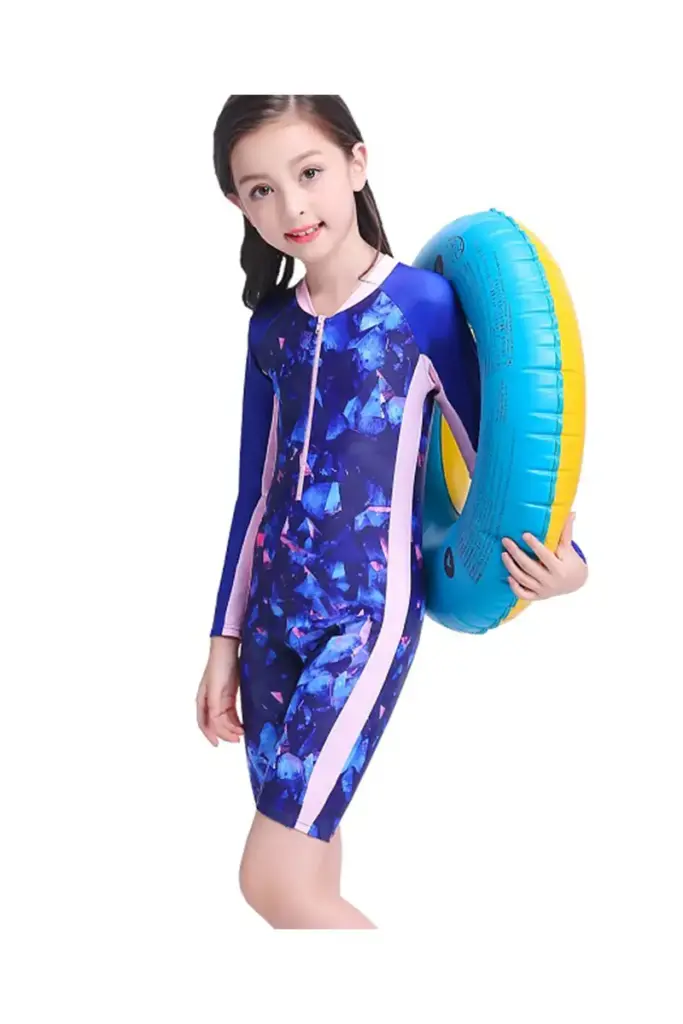
For brands developing training suits, team uniforms, or other high-use swimwear, polyester-based fabrics are often the preferred option due to their chlorine resistance, color retention, and long-lasting performance. Polyester is inherently more resistant to both chlorine and UV degradation than nylon. A quality polyester-spandex suit can easily last 2-3 times longer than a nylon equivalent, often withstanding 200-300+ hours of pool exposure before losing its shape and color. This makes it the workhorse for training suits, kids’ swimwear, and team uniforms.
The compromise is a firmer, less silky hand-feel. While still comfortable, it doesn’t have the same luxurious softness as nylon. For maximum durability, brands turn to PBT (Polybutylene Terephthalate), a specialized type of polyester that is virtually chlorine-proof. PBT polyester blends are commonly used in high-performance swimwear where maximum chlorine resistance and shape retention are required. These high-performance fabrics offer excellent shape retention and colorfastness, ensuring the garment stands up to the harshest pool environments.
Launch Your Swimwear Line in 30 Days
Swimwear Fabrics Compared: Nylon vs. Polyester Blends
Nylon blends prioritize a soft feel for fashion swimwear, while polyester blends deliver superior durability for frequent pool use. The choice comes down to comfort versus longevity.
| Attribute | Nylon Blends | Polyester Blends |
|---|---|---|
| Feel & Fit | Soft, luxurious, and highly stretchy. Excellent for a body-hugging, comfortable fit. | Firmer, more structured, and compressive. Less soft but stays in place during activity. |
| Chlorine & UV Durability | Poor. Degrades quickly, leading to color fade and loss of elasticity. | Excellent. Lasts 2–3 times longer in chlorinated pools, resisting chemicals and fading. |
| Best Use Case | Resort wear, beach trips, and occasional pool use where comfort is the main priority. | Competitive swimming, frequent pool training, and team uniforms where longevity is critical. |
Nylon Blends: The Fashion & Comfort Choice
When a swimwear line is built around a premium feel and flattering fit, nylon is the go-to fiber. It delivers the softness and stretch that defines fashion and resort swimwear, but this comfort comes at the cost of durability in harsh pool environments.
- Feel & Fit: Valued for a soft, luxurious feel and excellent body-hugging stretch, making it a top choice for fashion and resort swimwear.
- Primary Weakness: Degrades significantly faster than polyester in chlorine and high-UV environments, leading to loss of elasticity and color fade.
- Best For: Recreational beach trips, resort lounging, and occasional pool use where comfort and aesthetics are prioritized over extreme durability.
Polyester Blends: The Durability & Performance Champion
For any application that involves frequent exposure to chlorinated water and sun, polyester is the clear winner. It’s the workhorse of competitive swimming and training gear, providing a secure, compressive fit that holds its shape and color season after season.
- Durability: Offers outstanding resistance to chlorine, UV rays, and pilling, lasting 2–3 times longer than nylon in pools.
- Feel & Fit: Provides a firmer, more structured, and compressive fit that stays in place during intense activity, although it feels less soft than nylon.
- Best For: Competitive swimming, frequent pool training, team uniforms, and any application where longevity and colorfastness are critical.
Swimwear Material Essentials: Stretch and Recovery
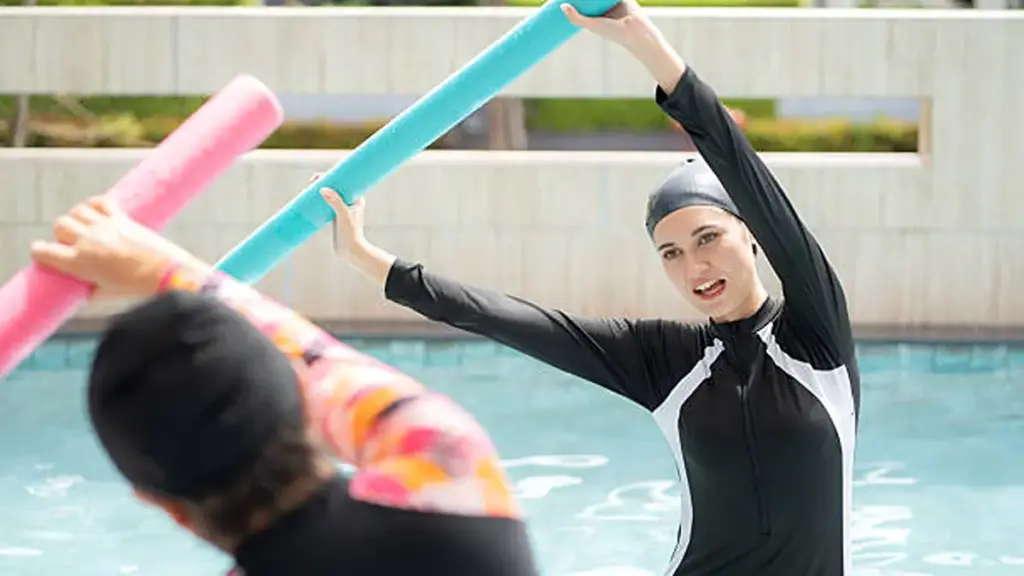
A swimsuit’s fit isn’t about raw stretch; it’s about recovery. Without a strong snap-back, the fabric bags out when wet, losing its shape and support.
The Mechanics of Fabric Stretch and Snap-Back
In swimwear, “stretch” is how far fabric can extend, but “recovery” is the real metric of quality. Recovery measures how completely the fabric returns to its original dimensions after being stretched. Poor recovery is what leads to a suit “growing” or bagging out.
This matters because a swimsuit must maintain a close body fit when wet. Stretch alone is not enough. Without strong recovery, key areas like straps, the seat, and necklines will sag and lose their shape after just a few wears. This problem gets worse with exposure to chlorine, heat, and body movement.
High-quality swimwear fabrics typically require strong elastic recovery, with premium fabrics often achieving recovery rates above 90% depending on the test method and fabric construction. Anything below 90% is a red flag for poor fit retention. A fabric with massive stretch but low recovery is a defect, not a feature, because the suit will permanently loosen over time.
Material Blends and Construction for Shape Retention
Achieving the right balance of stretch and recovery comes down to the fiber blend and the fabric’s construction. The stretch itself comes from elastane (spandex), typically making up 10-25% of the fabric. The base fiber, either nylon or polyester, dictates the fabric’s feel and durability.
- Nylon + Elastane: This blend is the go-to for fashion swimwear because it feels soft and has great stretch. Its main weakness is poor chlorine resistance, which means recovery degrades faster in pools.
- Polyester + Elastane: This is the workhorse for training and active swimwear. Polyester resists chlorine and UV damage far better than nylon, protecting the elastane fibers longer and preserving the suit’s shape and recovery over time.
- PBT Polyester Blends: These fabrics are built for maximum durability in chlorinated water. They often use the fabric’s knit structure to provide mechanical stretch, reducing the reliance on elastane and making them extremely stable.
The construction is just as important as the fiber composition. Most swimwear fabrics are developed with knitted structures to achieve the stretch, recovery, and body-contouring performance required for swim applications. Four-way stretch fabrics are widely used in swimwear because they provide flexibility across both horizontal and vertical directions, helping brands create comfortable and well-fitting designs. The lining should also be carefully selected with compatible stretch properties to maintain comfort, support, and overall garment performance.
Ultimately, chlorine and heat are the biggest enemies of elastane. They break down the fibers and kill the fabric’s ability to recover. This is why polyester-based systems provide much better long-term shape retention for any swimwear that will see frequent pool use.
Evaluating Swimwear Fabric Material Weight and Coverage
Fabric weight (GSM) is the main spec for swimwear coverage. But you must verify opacity by physically testing the fabric when it’s wet and stretched, especially for light colors.
Fabric Weight (GSM) as a Primary Indicator for Coverage
GSM, or grams per square meter, is the go-to metric for estimating a fabric’s thickness and opacity. A higher GSM generally means a denser, more supportive fabric that’s less likely to be see-through. But GSM doesn’t tell you about knit tightness or yarn quality, so it’s only a starting point.
Different product types require different weights. What works for a high-performance racing suit will fail for a modest one-piece. Here’s how the numbers typically break down:
- Under 150 GSM (Very Lightweight): These lightweight fabrics create a soft, second-skin feel and are commonly selected for fashion-forward or performance swimwear designs where minimal weight is important. Because lower GSM fabrics may provide less coverage when stretched or wet, brands should confirm opacity through sampling and wet testing before bulk production.
- 180–200 GSM (Core Mid-Weight): This is the sweet spot for most commercial fashion swimwear, like bikinis and recreational one-pieces. It provides a solid balance of coverage, comfort, and drape. You can often get away without a full lining in dark colors.
- 200–230 GSM (Upper Mid-Weight): Use this for one-pieces, support-focused bikinis, and active swimwear. The fabric has high opacity and offers better shaping and a more “held-in” feel.
- 230+ GSM (Heavyweight): These fabrics are for shaping or “tummy-control” swimwear and high-compression athletic suits. They provide maximum opacity and silhouette control but can feel warmer and less flexible.
Practical Evaluation of Opacity and Modesty
Relying only on GSM numbers is a common mistake. A fabric’s real-world performance depends on its knit structure, fiber content, and color. You must validate coverage with physical tests. There is no universal minimum GSM that guarantees wet opacity for white or light-colored swimwear.
Your sampling and approval process should include these non-negotiable checks:
- Dry Stretch Test: Stretch the fabric to its expected maximum over a mannequin or a contrasting surface. If you see show-through when it’s dry, it will be worse when wet.
- Wet Opacity Test: This is the most critical step. Fully saturate the garment and put it on a fit model or mannequin. Check for transparency under bright, direct light. This is mandatory for any white, pastel, or light-colored fabric, regardless of its GSM.
- Lining Assessment: For lighter fabrics (under 200 GSM) or any light color, test how the shell fabric performs with your chosen lining (typically 90-120 GSM). The goal is to add modesty and structure without creating unnecessary bulk or a stiff feel. Darker colors and dense prints can help mask some translucency, but they don’t eliminate the need for testing.
Sustainable Swimwear Fabric Materials for Eco-Brands

Eco-brands build swimwear with recycled synthetics like nylon and polyester for performance. Emerging plant-based and bio-based fibers are mainly used for less stretchy items like cover-ups.
Recycled Synthetic Fabrics: The Core of Eco-Swimwear
For an eco-brand, performance can’t be sacrificed. Swimwear has to stretch, survive chlorine, and dry fast. That’s why the industry relies on recycled synthetics. These materials divert waste from landfills and oceans without compromising the technical properties customers expect. The two dominant players are recycled nylon and recycled polyester.
- Recycled Nylon (e.g., ECONYL®): Recycled nylon is a popular choice for eco-conscious swimwear brands looking for sustainable material options without sacrificing softness and comfort. Made from regenerated nylon waste such as discarded fishing nets and industrial materials, it provides a similar hand feel and performance to conventional nylon. Its smooth texture, excellent stretch, and premium appearance make it suitable for fashion swimwear, resort wear, and custom brand collections.
- Recycled Polyester (e.g., REPREVE®): Made mostly from post-consumer plastic bottles (rPET), this is a widely accessible and cost-effective option. Brands like REPREVE® offer traceable supply chains, so you can verify the recycled content. Recycled polyester performs just like its virgin counterpart, offering good chlorine and UV resistance, colorfastness, and quick-drying properties. It’s a workhorse for everything from fashion swim to kids’ collections, especially for items with vibrant prints.
The performance trade-offs are the same as with virgin fibers. Recycled nylon feels softer but is more vulnerable to chlorine. Recycled polyester is more durable in pools but has a firmer hand feel.
Working With an Experienced Swimwear Manufacturer for Fabric Sourcing
Choosing the right swimwear fabric is only the first step. For brands developing custom collections, working with an experienced swimwear manufacturer helps ensure that material selection, pattern development, and production quality work together.
At HW Swim Fashion, we support brands with OEM and ODM swimwear manufacturing, from fabric sourcing and sample development to bulk production. With 20 years of swimwear manufacturing experience, our team helps brands select suitable fabrics based on product positioning, including fashion swimwear, active swimwear, and sustainable collections.
We offer flexible production solutions with low MOQ options, fast sample development, and access to functional and recycled fabrics such as REPREVE® materials. By combining fabric expertise with manufacturing experience, we help brands reduce development risks and bring new swimwear collections to market faster.Emerging Bio-Based and Plant-Derived Alternatives
While recycled synthetics form the core of eco-swimwear, some brands are exploring bio-based materials. These options reduce dependence on fossil fuels but have limitations, especially with stretch. Right now, they work best in swim-adjacent apparel like cover-ups and resort wear, not the main swimsuit itself.
- TENCEL™ Lyocell: Made from sustainably sourced eucalyptus wood pulp in a closed-loop process, this fiber is biodegradable and very soft. But it isn’t inherently elastic. You’ll find it in breezy beach cover-ups and resort wear pieces that are part of a larger sustainable collection.
- Bamboo-based Textiles: Bamboo grows fast with little need for pesticides. Fabrics made from it can be soft and moisture-wicking. The catch is that most “bamboo” fabric is a type of viscose rayon, which can involve a chemical-heavy production process. Its use is similar to TENCEL—better for loungewear than for a bikini.
- Castor Bean Polyamides: Some innovative fibers use castor oil from castor beans as a renewable feedstock to create bio-based polyamides (a type of nylon). This reduces the need for crude oil. These fibers are still typically blended with elastane to get the stretch needed for swimwear, but they represent a step toward more renewable inputs.
Choosing the Right Swimwear Fabric Material by Style
For fashion and comfort, pick soft nylon-spandex. For durability in pools and high-performance, choose chlorine-resistant polyester or PBT blends. It’s a simple trade-off.
Fabrics for Fashion, Resort, and Recreational Wear
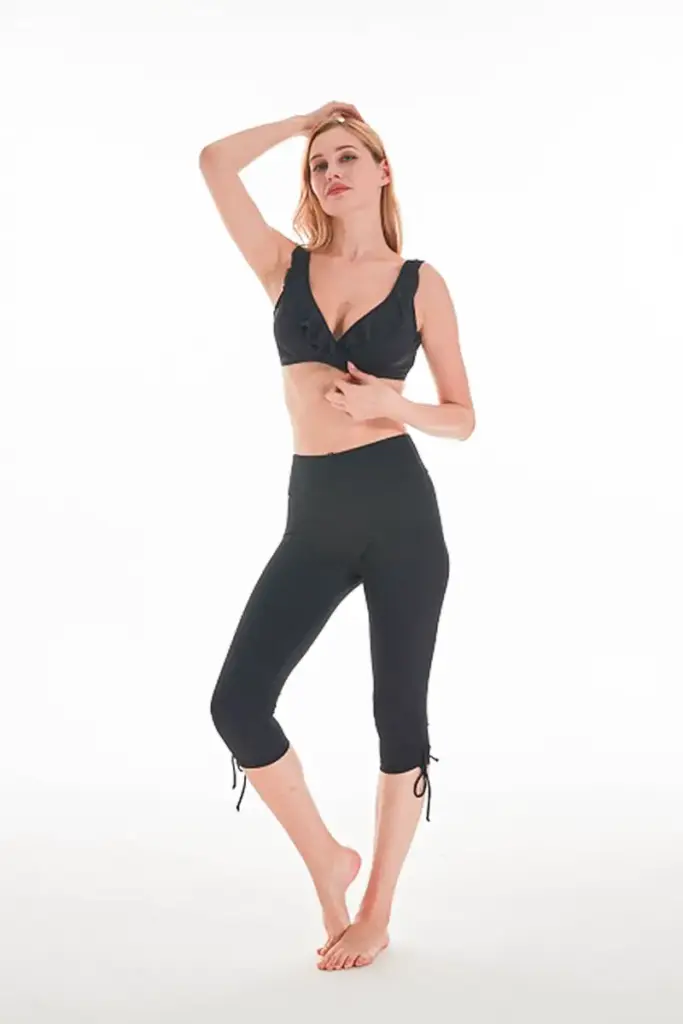
When the priority is a soft, luxurious feel and a body-hugging fit, nylon-spandex blends are the industry standard. A typical 80/20 nylon-spandex fabric delivers a smooth, “second-skin” feel with excellent stretch that designers love for bikinis, trendy one-pieces, and resort wear. The drape is perfect for creating flattering silhouettes.
This fabric is ideal for beach vacations and occasional pool dips. Its main weakness is a vulnerability to chlorine, which breaks down the fibers over time, leading to sagging and fading. For brands focused on sustainability, recycled nylon offers a similar hand-feel and performance, making it a popular choice in the eco-conscious fashion segment. For brands looking to start a swimwear brand, selecting the right materials early can help create products that match their target market and positioning.
Fabrics for Training, Competition, and High-Coverage Styles
For any swimwear destined for frequent pool use, polyester-based fabrics are the clear choice. Polyester-spandex blends offer far better resistance to chlorine and UV rays than nylon. This makes them the workhorse for training suits, kids’ swimwear, and active one-pieces that need to last. They hold their color and shape significantly longer, even with regular exposure to pool chemicals.
For competitive swimmers and daily trainers, PBT (polybutylene terephthalate) blends are the gold standard. These fabrics are virtually chlorine-proof and offer superior shape retention and durability. The trade-off is a firmer, more technical feel with less inherent stretch than a soft nylon blend. The fit is compressive and built for performance, minimizing drag and supporting muscles.
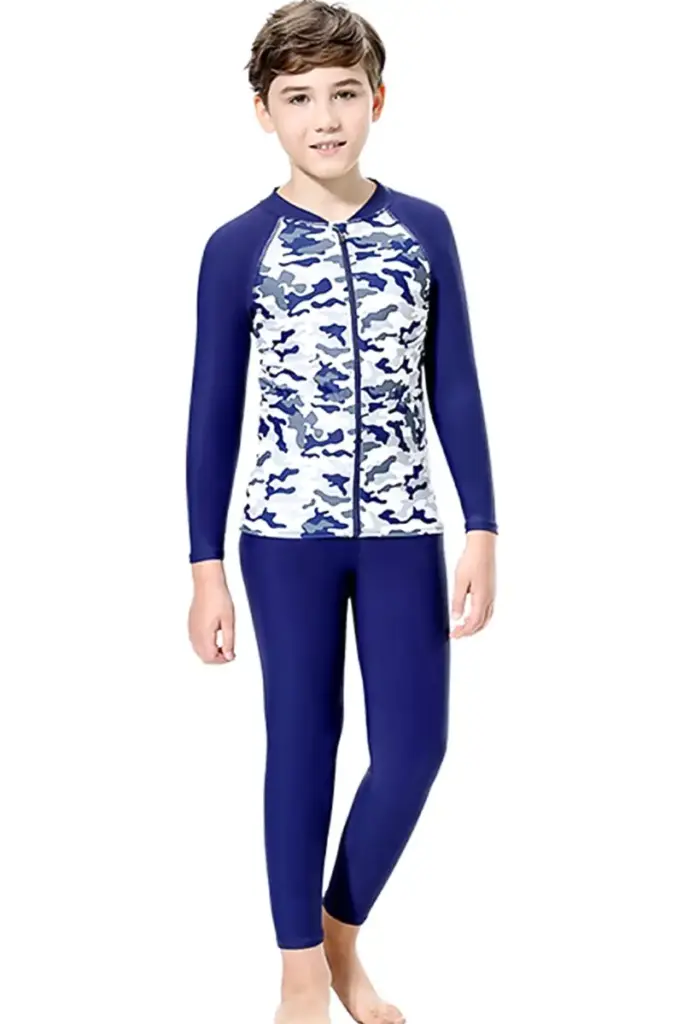
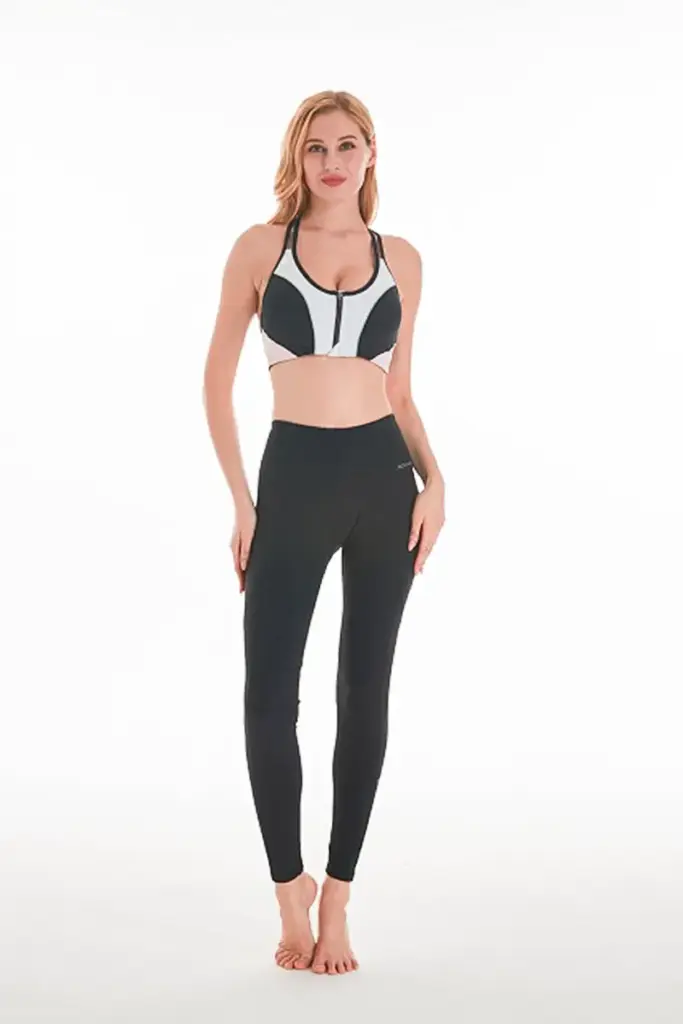
These durable polyester and PBT fabrics are also perfect for high-coverage styles like rashguards, swim leggings, and burkinis. Brands often use heavier weights (200–240 GSM) for these garments to ensure full opacity when wet and to provide a secure, supportive fit that doesn’t cling uncomfortably.
Frequently Asked Questions
What are swimsuit fabrics made of?
Swimwear is made from synthetic knit blends, primarily nylon or polyester mixed with elastane (also known as spandex or Lycra). Nylon provides a soft, smooth feel popular in fashion swimwear. Polyester offers superior resistance to chlorine and UV rays, making it ideal for active and competitive suits. Elastane provides the essential stretch and body-hugging fit.
What’s the best material for a swimsuit?
The best material depends on how you use the suit. For comfort, beach trips, and fashion, a nylon-elastane blend is a great choice due to its softness and excellent stretch. For frequent swimming in chlorinated pools, a polyester-based blend is better. It holds its shape and color much longer against chemicals and sun exposure.
Is nylon or polyester better for swimwear?
Polyester is better for durability. It resists damage from chlorine and sunlight far more effectively than nylon, making it the preferred choice for training suits and frequent pool swimmers. Nylon is better for comfort. Its soft, smooth feel makes it ideal for fashion-focused swimwear where a luxurious feel is more important than extreme longevity in a pool.
What makes a swimsuit chlorine-resistant?
The main fiber determines chlorine resistance. Polyester is naturally much more durable in chlorinated water than nylon. The most resistant fabrics are PBT (a type of polyester) and polyester blends, often used in suits for competitive swimmers and lifeguards. These materials resist fading and stretching for much longer. Standard elastane is the weakest link, so durable suits often use special chlorine-resistant elastane or rely on the fabric’s mechanical stretch instead.
Is recycled nylon a good choice for swimwear?
Yes, high-quality recycled nylon is a very good option for swimwear. It offers a soft feel and great stretch comparable to new nylon, but with significant sustainability benefits. It’s an excellent material for eco-conscious brands creating fashion or performance swimwear. While it performs like virgin nylon, it is still less resistant to chlorine than polyester-based fabrics.
Final Thoughts
Choosing swimwear fabric based only on price or appearance can create quality issues during production and affect the final customer experience. A nylon-based suit may not perform as well in high-chlorine environments compared with polyester-based alternatives. Your product’s success depends on matching the material—soft nylon for fashion, durable polyester for performance—to your customer’s expectations.
Don’t guess on performance specs—verify them. The best way to confirm a fabric’s hand-feel, wet opacity, and stretch recovery is through physical testing and supplier verification. Contact our team to discuss your application and order fabric samples.