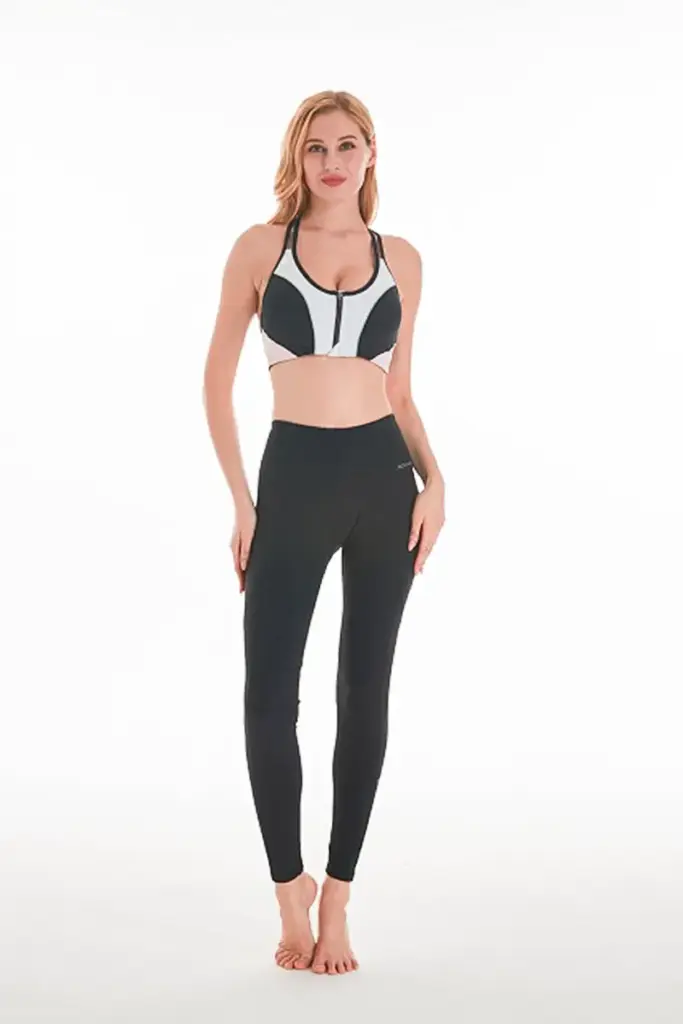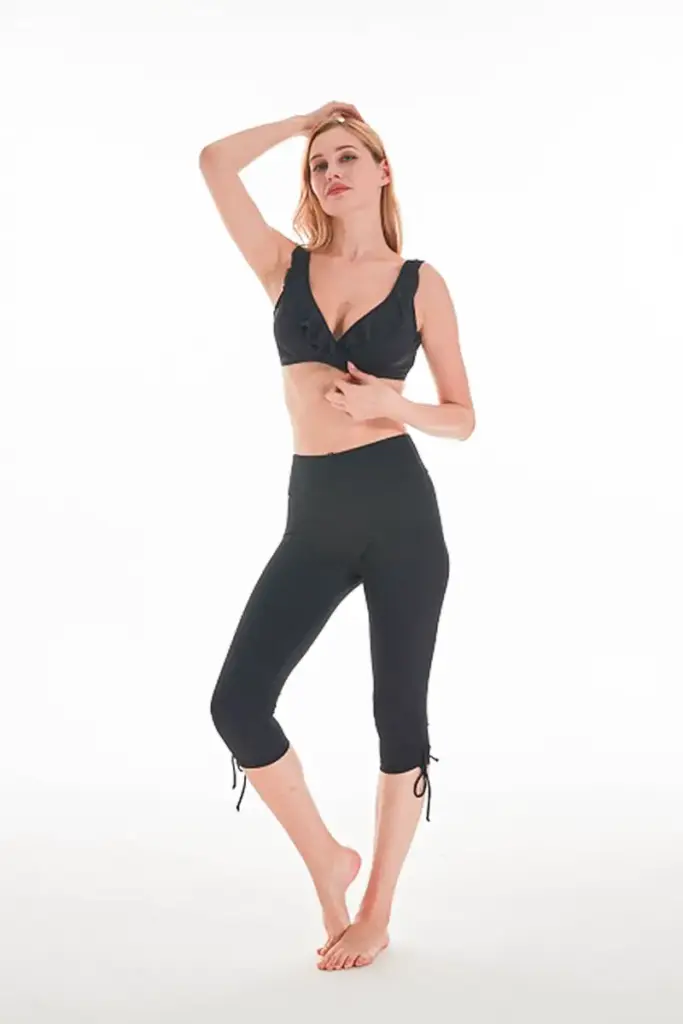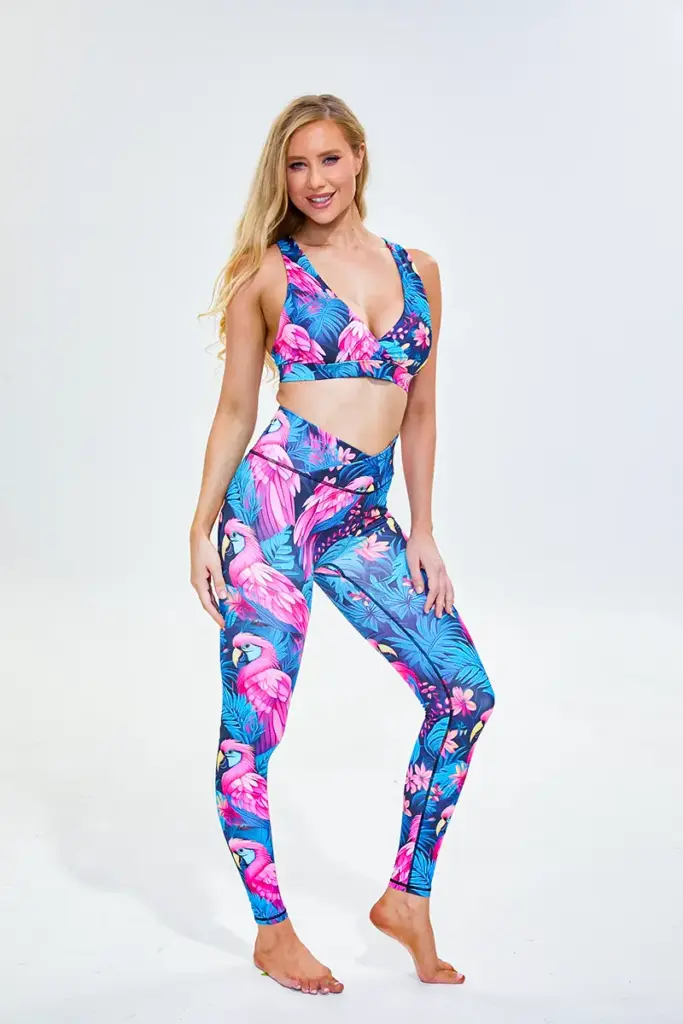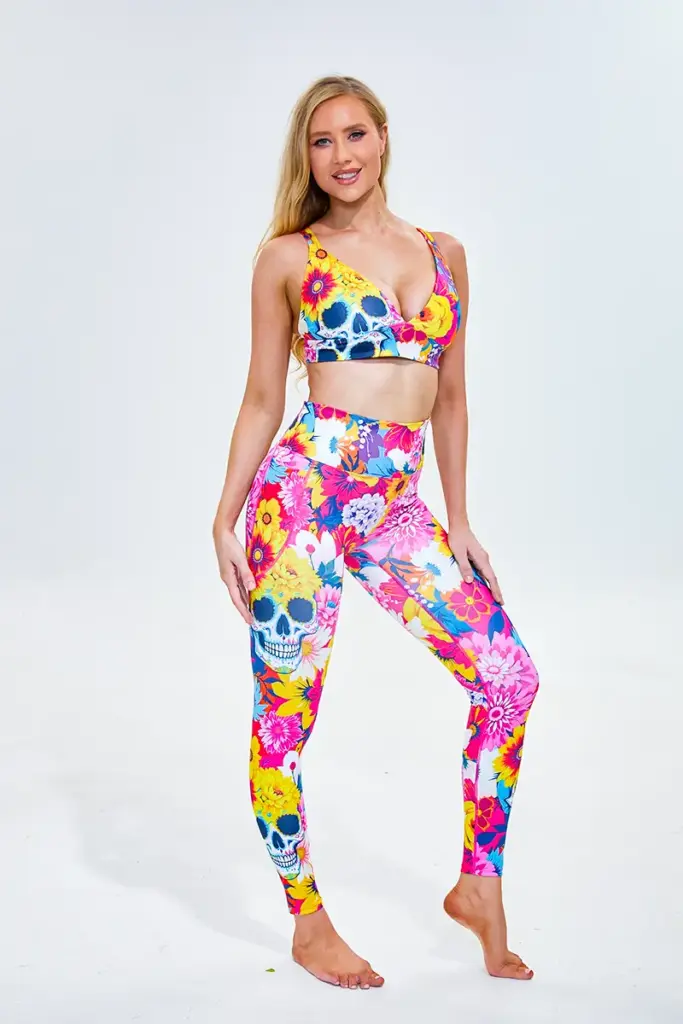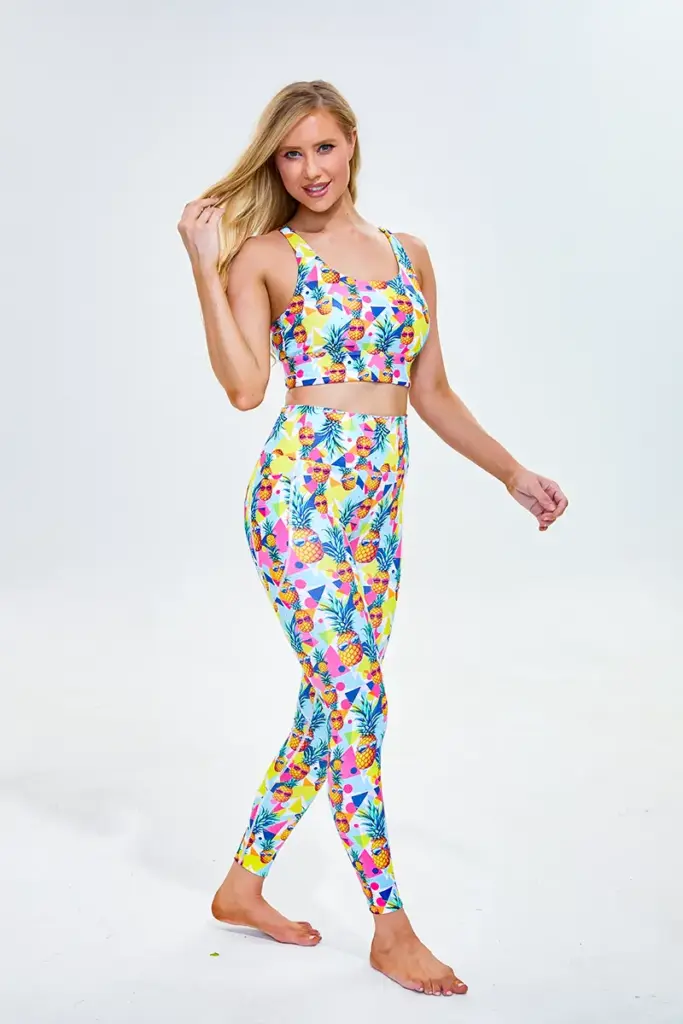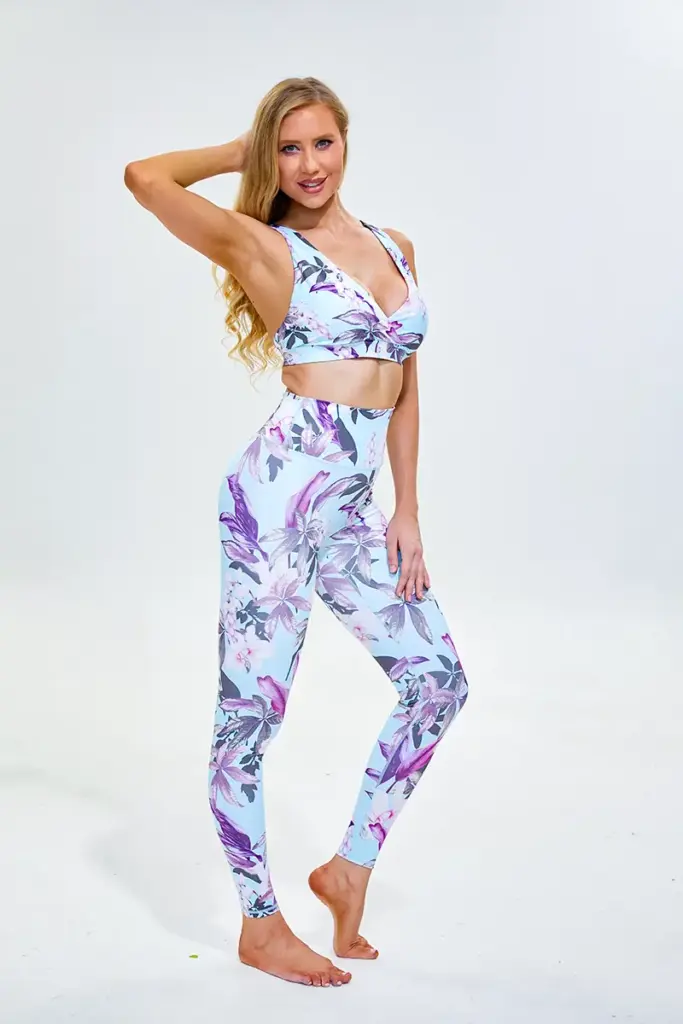
Poorly developed cup sizing is one of the main reasons swimwear brands experience high return rates. Using a single grading method across different bust shapes and cup volumes often leads to inconsistent fit, especially in fuller-bust categories.
This guide compares alpha sizing and bra-sized swimwear, explaining how different cup ranges from D–F to DD–G+ require different support structures and grading considerations. We outline a framework for applying proven bra-pattern grading to create a scalable size matrix that reduces returns and improves fit consistency.
Swimwear Cup Sizes Explained: What You Need to Know
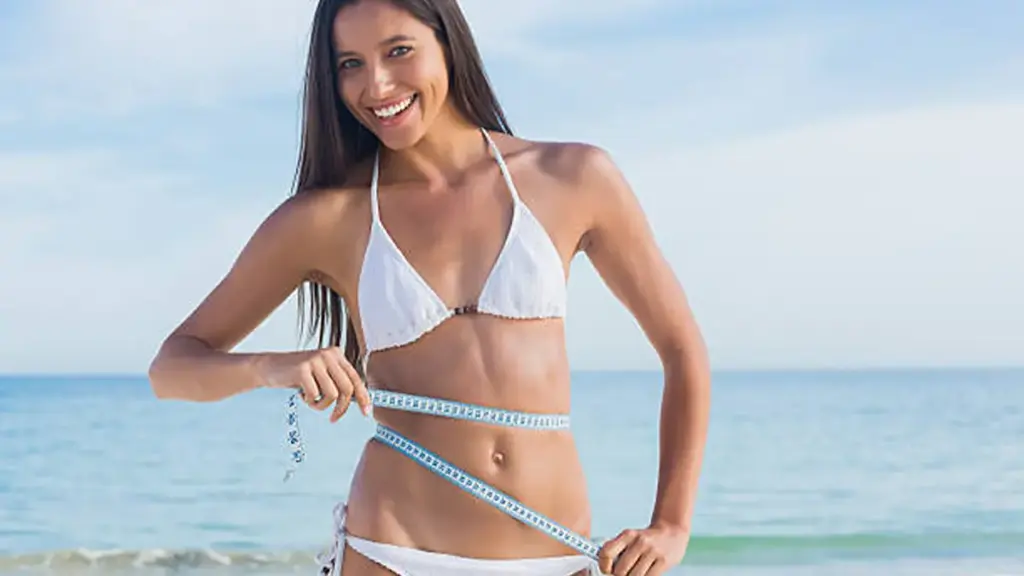
Bra-sized swimwear follows similar bra sizing logic, using bust and band measurements for a better fit. However, swimwear fit also depends on fabric stretch, lining, and support design.
How Swimwear Cup Sizing Works
Cup sizing is based on two simple measurements: your band size, which is taken around your ribcage right under your bust, and your bust size, measured around the fullest part of your chest. The difference between these two numbers determines your cup letter. In many bra sizing systems, the difference between bust and underbust measurements helps determine cup size. However, cup calculations vary between regions and brands, so always check the specific size chart.
This method offers a much more accurate and supportive fit than swimwear sold in generic apparel sizes like S-M-L, which can only guess at an average bust size.
Why a Proper Cup Size Is Important for Fit
A correct cup size provides the support you actually need and helps prevent common fit problems like spillage, gaping, or slipping straps. In a well-fitting top, the band feels snug without riding up your back, and the cup fully contains your breast tissue without any overflow at the top or sides.
Sizing varies significantly from one brand to another. A 34C in one line might fit completely differently from a 34C in another. Always check your measurements against the specific company’s size guide before buying.
Understanding How Swimwear Cup Sizes Actually Work
Swimwear sizing boils down to two systems: precise, bra-style sizing for support and flexible, alpha-sizing for simpler styles. Your choice depends entirely on the fit and function you need.
Bra-Sized Swimwear: The Precision Fit
Bra-sized swimwear is one of the most precise options for customers who need additional bust support. Bra-sized swimwear is labeled with a specific band and cup size, just like your everyday bra—think 34C or 38DD. The logic is identical: the number represents your ribcage (band) measurement, and the letter represents your cup volume. This precision allows you to get a fit that actually contains and supports you, which is critical in the water.
This system also lets you use sister sizing to your advantage. For example, if your usual 36D feels a bit loose in the band for swimming, you can size down to a 34DD. This gives you the same cup volume but on a much more secure band, preventing the top from shifting or riding up when you hit the waves.
Alpha-Sized Swimwear: The Flexible Fit
Alpha-sizing is the more common, simplified approach. Instead of specific cup letters, these pieces use general clothing sizes like Small, Medium, and Large. Each size is designed to accommodate a range of bra sizes. For instance, a Medium top might be engineered to fit anyone from a 34C to a 36D.
This system works because it relies heavily on fabric with a lot of stretch and adjustable features. It’s the go-to sizing for styles like triangle tops, bralettes, and anything with tie-backs or halter necks. The trade-off is clear: you gain flexibility and an easy-to-shop-for size, but you lose the pinpoint accuracy and engineered support of a true bra size.
Scale Your Brand With Low-Risk Manufacturing

Swimwear Sizing: How to Measure Bust and Underbust
Getting your bust and underbust measurements right is the non-negotiable first step. Everything else—cup size, band fit, and support—depends on these two numbers.
| How to Measure Your Bust | How to Measure Your Underbust |
|---|---|
|
|
Swimwear Cup Sizes: Choosing Best Support and Coverage
Proper support comes from a snug band and structured cups. Coverage is a personal choice based on the swimsuit’s cut, from full-coverage styles to more revealing plunge necklines.
How to Find the Right Support
Getting the right support in swimwear boils down to construction, not just fabric. Supportive swim tops use construction techniques similar to bras, such as structured cups, wider straps, and firm underbands to keep the bust secure during movement. The most critical element is a snug band that sits level around your ribcage; it provides most of the lift, not the straps. A suit should feel firm when you try it on dry, as the material will loosen slightly in the water.
For maximum support, especially with larger busts, look for styles with specific features. Bra-sized swimwear is a good starting point because it’s designed around precise cup and band measurements, unlike generic S-M-L tops.
- Underwire: Underwire can provide additional lift and separation, but many supportive swim styles also rely on molded cups, reinforced bands, and supportive linings.
- Molded or Structured Cups: These help stabilize the bust and create a smooth, contained shape.
- Wide, Adjustable Straps: Wider straps distribute weight more evenly to prevent digging into your shoulders. Adjustable straps let you fine-tune the fit.
- A Firm Band: The band should feel secure without being painful. If it rides up your back, it’s too loose and won’t provide the support you need.
How to Select Your Ideal Coverage
Coverage is a matter of personal preference and style. It’s different from support. You can have a very supportive top with minimal coverage, or a full-coverage suit that lacks structural support. Think of coverage as how much skin the swimsuit design shows.
Higher coverage styles often feature fuller cup construction, höhere Ausschnitte, and more fabric on the sides. These designs help contain breast tissue and reduce exposure. On the other hand, styles with less coverage include plunge cuts and minimal triangle tops. Even within the same cup size, a balconette top will offer more coverage than a plunge top. The key is to find a balance between the look you want and the level of security you need for your activity.
Navigating Swimwear Cup Sizes Across Different Styles
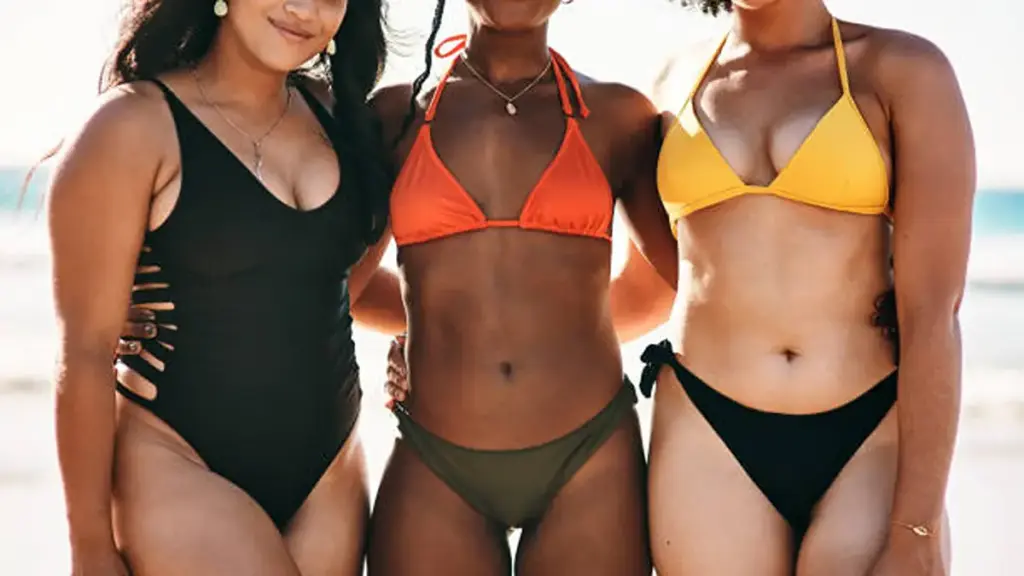
Alpha-sized (S/M/L) tops offer a flexible range-fit, but structured swimwear uses exact bra sizing (34C, 36D) for precise support and a true-to-size match.
Understanding Cup Fit in Alpha-Sized Swim Tops
Alpha-sized swimwear, labeled with sizes like S, M, and L, doesn’t offer a precise cup fit. Instead, each size is designed to cover a *range* of bra sizes. A brand’s size chart might show that a Medium top is intended for C to D cups across several band sizes, like a 34D and a 36C.
This system works because of stretchy fabrics and adjustable features like ties. The trade-off is a loss of precision. Two people with very different bra sizes, say a 32D and a 36B, might both be told to buy a Medium, even though their support needs are completely different. The fit is an approximation, relying on the fabric’s flexibility to accommodate various bust volumes and shapes.
When dealing with alpha sizing, the brand’s size chart is your only real guide. You have to check their specific mapping of bra sizes to their S, M, or L labels to see where you fall. For anyone needing real support, especially D cups and above, this system is often a gamble.
Matching Your Bra Size to Structured Swimwear
Structured swimwear, especially styles with underwire or molded cups, usually uses bra sizing (e.g., 34C, 36DD, 38F). This is the most direct and reliable way to get a good fit. Your best-fitting, everyday bra size is the correct starting point. If you wear a 34D bra, you should look for a 34D swim top.
This approach provides bra-like support, lift, and separation, which is critical for comfort and security, particularly for fuller busts. Unlike the guesswork of alpha sizing, a 34D swim top is built for the specific volume of a D cup on a 34-inch band. The engineering is far more precise.
Sister sizing is also a valid tool here. If a 36D cup fits well but the band feels loose and rides up, you can try a 34DD. This gives you a tighter, more secure band while maintaining the same cup volume. This is especially useful in swimwear, where a snug band is crucial to prevent shifting in the water.
Avoiding Common Fit Issues with Swimwear Cup Sizes
Most swimwear fit issues boil down to a mismatch between cup volume, band support, and style. Fixing them requires knowing what to look for and how to adjust.
Identifying Common Problems: Spillage, Gaping, and Instability
A bad fit isn’t just uncomfortable; it means the swimwear isn’t doing its job. The three most common failures are spillage, gaping, and general instability. Each points to a specific sizing problem that can be diagnosed easily.
- Cup Spillage: This is when your bust overflows the cup at the top, center, or sides, creating a “quad-boob” effect. It’s a clear sign the cup volume is too small for your breast tissue. The style might also be too shallow for your breast shape.
- Gaping Cups: If you see wrinkles in the fabric or a visible space between the cup’s edge and your chest, the cup is too large. This often happens with molded cups on shallow or full-on-bottom breast shapes. The cup’s structure doesn’t match your anatomy.
- Instability: Poor fit often results from a mismatch between cup volume, underband tension, and overall swimwear construction. A well-developed swim top should provide balanced support through the cups, straps, elastic components, and fabric structure, helping prevent riding up, shifting, or discomfort during movement.
Finding Your Solution with Sizing and Style Adjustments
Once you’ve identified the problem, the fix usually involves an adjustment in size, Stil, or both. Simply going up or down a general “size” isn’t the answer; you have to be specific about adjusting the band or the cup.
The most powerful tool for this is sister sizing. It allows you to change the band size while keeping the same cup volume, or vice-versa. For spillage or gaping, you adjust the cup letter. For instability, you adjust the band number.
- To fix spillage: Go up a cup size while keeping the band the same (e.g., move from a 34C to a 34D). This gives you more cup volume without changing the torso fit.
- To fix gaping: Go down a cup size (e.g., from a 36D to a 36C). This reduces the empty space in the cup. If the gaping persists, the cup shape of that particular style is likely a bad match for you.
- To fix an unstable band: Go down a band size and up one cup size (e.g., from a loose 36D to a snug 34DD). This provides a firmer anchor around your ribcage while maintaining the same cup volume.
Beyond numbers, the style’s construction is critical. For larger busts (D-cup and up), you need styles built with proper support engineering. For active use, you need designs that prioritize security over minimal coverage. Choosing the right style prevents these problems from happening in the first place.
Inclusive Swimwear Cup Sizes: Building a Better Range

A truly inclusive swim range requires a matrix of sizes beyond the standard B-D cup, with support engineered differently for each specific cup size cluster.
Defining the Target Size Matrix and Design Strategy
Many mass-market swimwear collections are developed around standard XS–XL size blocks, which often provide limited cup-specific support beyond the typical B–D range. This can leave fuller-bust customers with fewer suitable options. Brands specializing in fuller-bust swimwear have demonstrated strong demand for DD+ cup ranges, creating opportunities for manufacturers and brands to develop more inclusive size offerings.
Building a genuinely inclusive size range means covering a full matrix of both band and cup sizes, not just offering larger cups on larger bodies. A practical baseline looks like this:
- Band Sizes: Cover at least a 30–42 band range. Data may support adding 28, 44, Und 46 bands.
- Cup Sizes: Offer A–F as the core range. Extend to DD–G as a minimum for inclusivity, with select styles going up to H–K for a true full-bust offering.
A single construction approach may not provide the best fit across the entire size matrix. Larger cup ranges often require adjustments to cup structure, straps, and underband support. Each cup cluster has different engineering needs:
- For A–C Cups: Lighter structures, removable pads, and flexible fashion designs work well. Just remember not all smaller busts want push-up styles; many prioritize a secure, sporty fit.
- For D–F Cups: Support becomes critical. These sizes require more robust underbust bands (wired or firm wireless) and wider straps. Offering both molded cups for a smooth look and seamed cups for better projection is a smart move.
- For DD–G+ Cups: These sizes require stronger support structures, including reinforced bands, multi-part cups, and carefully adjusted strap placement. Prioritize seamed, multi-part cups, reinforced bands, and bra-style closures. For larger cup sizes, swimwear construction needs to provide reliable support both in and out of the water, where fabric stretch and movement can affect stability.
Adopting Inclusive Pattern and Grading Practices
Simply grading a standard cup pattern across a large size range often results in poor fit because cup depth, wire width, strap placement, and support requirements do not increase proportionally. The fit will be wrong, and returns will be high. Proper inclusive sizing demands a more nuanced approach to patternmaking and grading.
First, you must use multiple fit models that represent the diversity of your target size chart. Test your patterns on bodies with small bands and large cups (like a 30G), large bands with moderate cups (a 42DD), and everything in between. Fitting only on a standard “medium” size will not work.
Next, create separate grading paths. Do not grade cup depth, wire width, and strap placement linearly from a B cup to a G cup. These elements must be adjusted independently based on the specific cup volume and band size. Plus-size ranges also require their own grading rules for things like torso length and side coverage to ensure a proportional fit.
Finally, don’t reinvent the wheel. The lingerie industry has spent decades perfecting full-support bra patterns. Use these proven bra blocks as the technical foundation for your swim tops and the integrated cups in one-pieces. This cross-grading from established bra patterns reduces development risk and leads to a much better, more reliable fit for the end customer.
Swimwear Cup Size Development: From Pattern Engineering to Production
Developing swimwear with a wider cup range requires more than adding sizes to a measurement chart. Brands need accurate pattern development, fit testing, and reliable production processes to ensure each size delivers consistent support and comfort. This is also why choosing a swimwear manufacturer with proven technical experience is important for long-term product quality. Working with an experienced OEM and ODM swimwear manufacturing partner allows brands to turn these technical requirements into production-ready collections.
Bei Hewang Fashion, we support swimwear brands with OEM and ODM manufacturing services, combining 20 years of swimwear production experience with professional pattern development capabilities. From initial design adjustments and sample development to bulk production, our team helps brands create swim collections with optimized fit across different cup ranges.
With flexible swimwear MOQ starting from 100 pieces, fast sample development, and certified manufacturing support, Hewang Fashion helps emerging brands and established retailers reduce development risks while bringing new swimwear collections to market efficiently.
Häufig gestellte Fragen
Are swimsuit cup sizes the same as bra sizes?
Not always, but your bra size is the best starting point. Bra-sized swimwear (labeled 34D, 36G, etc.) is designed to match, but fabrics and brand styles create differences. Generic S/M/L sizes cover a range of bra sizes and are less precise. Always use your measurements and check the specific brand’s size chart to confirm the best fit.
How do I know my swimsuit cup size?
Start with your best-fitting, non-padded bra size as a reference. For the most accuracy, measure your underbust (for the band) and the fullest part of your bust (for the cup). The difference in inches between these two measurements typically corresponds to a cup size (1 inch = A, 2 inches = B, 3 inches = C). Combine this with your band measurement to get your starting size (e.g., 34C) and then check the specific brand’s size chart to find your perfect match.
What is the best swimsuit for a large bust?
The best swimsuit for a large bust provides bra-like support. Look for styles sold in bra sizes (like 32F or 38G), not generic S/M/L. Prioritize features like underwire or structured, seamed cups for lift and separation. A firm, wide band with a secure back closure is essential, as it provides most of the support. Wide, adjustable straps will also help distribute weight comfortably without digging into your shoulders.
How should a swimsuit fit around the bust?
A good fit feels secure and contained. The cups should fully enclose your bust with no spilling at the top or sides, and no gaping. The underband should be firm and sit level across your back—it shouldn’t ride up when you lift your arms. Straps should be comfortable and not dig in; most of the support should come from the band, not the straps. When you move, the suit should stay in place without needing constant adjustment.
Letzte Gedanken
Relying only on standard S-M-L sizing can make it difficult to serve customers with different bust shapes and support needs. A properly engineered, multi-cup fit strategy is not a feature; it is the only way to safeguard your margins and capture the valuable fuller-bust market. Your success depends on treating fit as a technical requirement, not a fashion option.
Partnering with an experienced swimwear manufacturer can help brands develop better-fitting collections with lower production risks. We recommend a strategic review of your target size matrix to map our proven fit blocks to your commercial goals. Contact our team to discuss our OEM development process and secure your product samples.