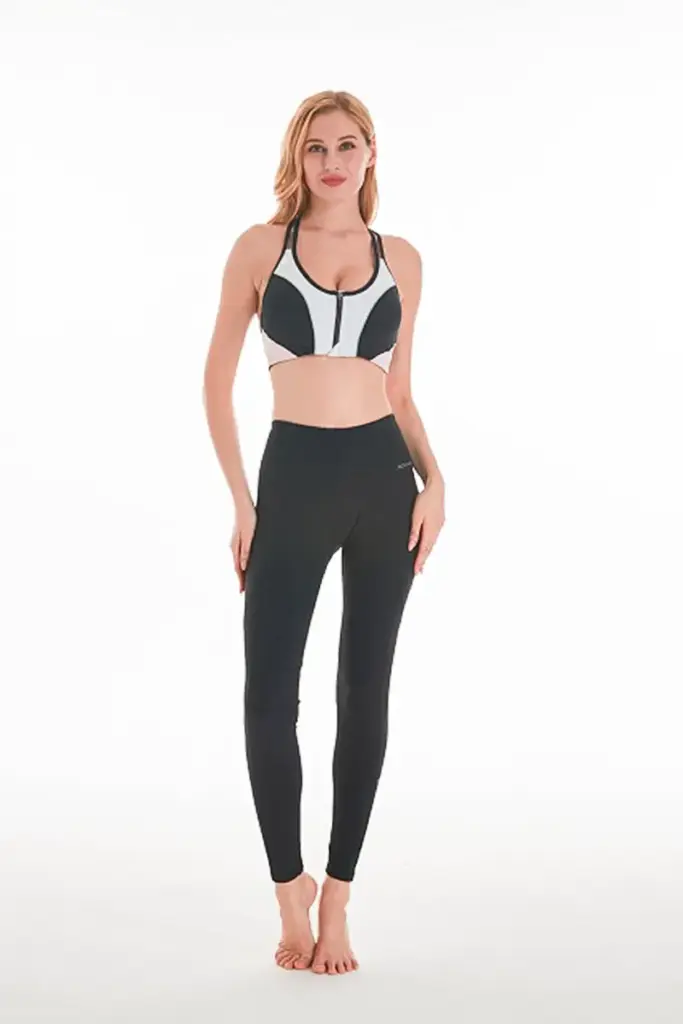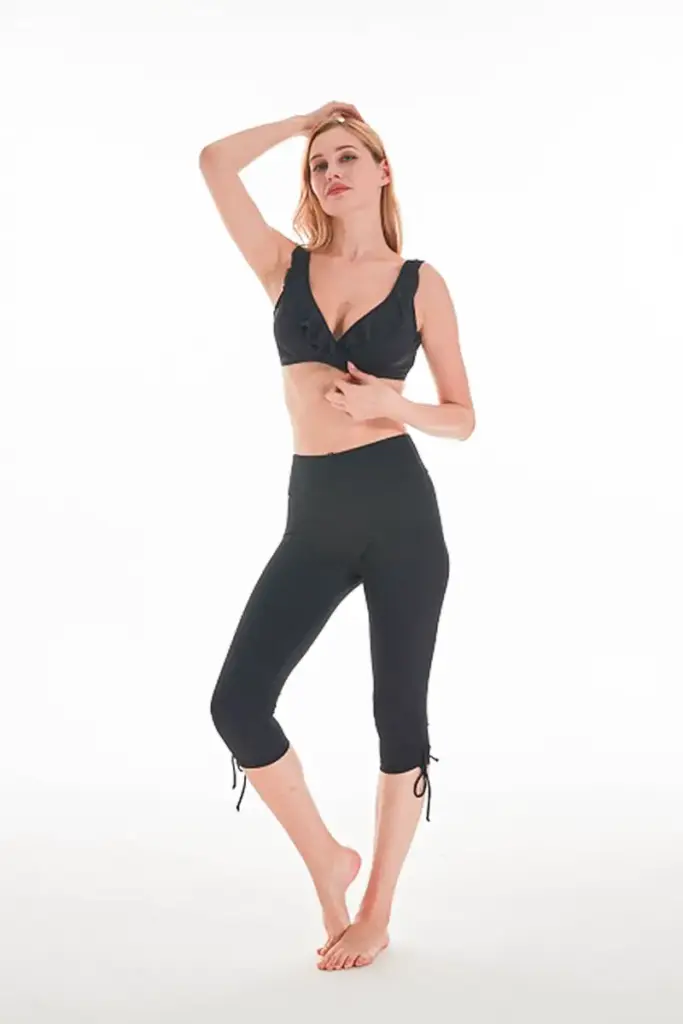
A good tummy control swimsuit does more than use tight fabric. The shaping comes from the way the fabric, lining, support panels, and overall fit work together. For brands, getting these details right can help reduce fit-related complaints and improve customer satisfaction.
The following sections look at the fabric, internal support, and design details that influence how well a tummy control swimsuit performs and fits.
Best Tummy Control Swimsuit Features to Look For

The best tummy control swimsuit combines effective compression, a stable fit, comfortable support, and design details that create a smoother-looking midsection without restricting movement. Compression provides physical support, while details such as ruching can enhance the visual effect.
Supportive Construction and Compressive Fabrics
A good tummy control swimsuit is built from the inside out. A well-designed tummy control swimsuit relies on more than a tight outer fabric. The fabric, control lining, seams, and support features need to work together to provide consistent shaping. The outer fabric is typically a nylon or polyester blend with enough elastane to provide firm stretch and good recovery, depending on the swimwear fabric material selected. For shaping styles, many fabrics use a higher elastane content, although the exact percentage varies depending on the fabric construction and level of control required. Good stretch recovery helps the swimsuit maintain its shape after repeated stretching and wear.
One common construction is an internal power mesh panel. This firm, breathable mesh acts as a hidden support layer and can provide targeted compression across the midsection. Depending on the design, the panel may cover the front of the abdomen or extend farther around the torso for more support. These panels can be placed just on the front or wrap 360° around the torso for more comprehensive shaping. A well-made suit ensures this panel lies flat and extends low enough to cover the lower belly without creating a visible “shelf” where the control ends.
Bust support is also a non-negotiable part of the system. Lifting the bust visually lengthens the torso and creates a more balanced silhouette, making the tummy appear smaller by comparison. This is achieved through features like:
- An internal shelf bra or underwire to lift and anchor the suit.
- Molded or lightly padded cups for shaping and coverage.
- Wide, adjustable straps to fine-tune support without overtightening the torso.
Related post: Swimwear Cup Sizes: How to Choose the Right Fit
Strategic Design for Visual Slimming
Physical compression is only part of the shaping effect. Designers also use seams, color placement, ruching, and neckline details to influence how the body’s proportions appear.
Ruching, or gathered fabric, across the midsection is the most common and effective technique. The texture breaks up the flat surface of the stomach, disguising bulges and scattering light so unevenness is less noticeable. Diagonal or vertical ruching is particularly effective at creating a longer, leaner look.
Strategic seams and color-blocking also play a huge role. Look for designs that use these visual cues:
- Princess seams: These curved vertical seams run from the bust towards the hip, drawing the eye inward to create an hourglass shape.
- Color-blocking: Placing darker, solid color panels on the sides of the torso with a lighter or printed panel in the center can make the waist appear narrower.
- Diagonal lines: Wrap-fronts or angled stripes move the eye across the body instead of straight across the tummy.
Finally, the overall cut of the suit influences proportion. A supportive V-neck or sweetheart neckline draws focus upward toward the face and away from the midsection. A slightly higher leg cut can visually lengthen the legs and create a more balanced overall proportion. Some suits even add a belt or a contrasting band at the natural waist to define the narrowest part of your torso, which makes the stomach look flatter by contrast.
How Compression Swimwear for Tummy Control Works
Compression swimwear uses stretch fabrics and internal support layers to smooth the midsection, while visual details such as ruching can create a more streamlined silhouette. The level of compression depends on the fabric, construction, and fit. It’s a temporary shaping effect.
Fabric Compression and Tissue Redistribution
Tummy-control swimsuits commonly use nylon- or polyester-based fabrics with elastane/spandex for stretch and recovery. Some brands specify LYCRA® brand elastane fibers for particular performance requirements. This creates firm, consistent pressure on the abdomen. The pressure compresses the soft tissue and reduces the appearance of surface bulges, creating a smoother-looking abdominal profile while the garment is worn. This is a purely biomechanical effect that only works while you wear the suit. It manages how the abdomen appears but doesn’t actually reduce fat.
Engineered Panels and Strategic Design
Many tummy-control designs use an internal control panel, such as power mesh, over the abdominal area to provide more focused support. This structural support works alongside visual details such as ruching, draping, and darker color zones, which can help soften the appearance of uneven contours. Together, these features create a smoother-looking and more defined silhouette.
Low-Risk Swimwear Production, Delivered Fast.

Best Tummy Control Swimsuit Fabrics and Support Tech
Effective tummy control relies on a system: a high-spandex outer shell for compression, an inner power mesh panel for targeted support, and visual designs like ruching for camouflage.
| Component / Technology | Primary Function & Material |
|---|---|
| Outer Shell Fabrics | High-spandex blends, like nylon-elastane, provide strong, flexible compression. The fabric must have good stretch recovery to maintain its shaping ability and not bag out when wet. |
| Inner Control Linings | Power mesh or power net is widely used for the inner control layer because its firm stretch construction can add targeted support and compression. The specific fabric weight, stretch, and recovery can vary depending on the desired level of control and garment construction. |
| Engineered Compression | This isn’t just tight fabric. It’s a layered construction that uses strategically placed power mesh panels to create firm, comfortable shaping where it’s needed most. |
| Visual Design Details | Ruching, draping, and high-waisted cuts work with the physical compression. These design tricks help camouflage and break up the surface area, enhancing the slimming effect. |
Design Elements in the Best Tummy Control Swimsuit
Effective tummy control isn’t just about squeezing. It’s a combination of smart fabrics, hidden support panels, and visual tricks that work together to shape and smooth.
Core Shaping Through Fabric and Construction
The real workhorse of any tummy control swimsuit is its underlying structure. It’s not just about using tight fabric; it’s about engineering a system that provides targeted compression where it’s needed, without feeling like a corset. These elements form the foundation of physical shaping.
- High-performance fabrics with an appropriate elastane content can provide the stretch and recovery needed for shaping, depending on the fabric construction and performance target. This ensures the suit provides consistent smoothing and doesn’t bag out after a few wears.
- A hidden power mesh layer is a common construction for tummy control. This firm, breathable stretch mesh provides targeted compression across the midsection without adding excessive bulk.
- Strategic seaming, such as curved princess seams and contoured side panels, helps sculpt the waist. These seams aren’t just for show; they pull the fabric in to create a more defined torso shape.
- High-waisted cuts and full-coverage bottoms are crucial for anchoring the shaping elements. They ensure the control panel stays put over the lower belly and prevent any spillover at the waistline.
Visual Slimming and Supportive Fit
Once the physical shaping is in place, designers use clever visual techniques to enhance the slimming effect. These design choices work with the suit’s structure to trick the eye, creating a more flattering and balanced silhouette.
- Ruching and draping across the stomach is the most common visual trick. The gathered fabric adds texture that camouflages any bumps or lines, breaking up the flat surface of the midsection.
- Optical illusions like color-blocking with dark side panels or using diagonal prints visually narrow the waist. These design lines draw the eye inward and create the appearance of a slimmer midriff.
- Supportive bust construction with built-in bras or molded cups is critical. Lifting the chest lengthens the torso, which makes the waist appear smaller by comparison and balances the entire figure.
- Adjustable straps and thoughtful necklines, like V-necks, draw attention upward toward the face. This focus-shifting technique keeps the eye away from the midsection while ensuring the suit fits properly.
One-Piece vs Two-Piece Swimsuits for Tummy Control

One-piece suits give you maximum, continuous smoothing. Two-pieces offer targeted control with high-waisted bottoms, giving you better fit flexibility and convenience.
One-Piece Styles for Maximum Smoothing
A one-piece is generally the stronger option when maximum midsection coverage and continuous shaping are the priority. The one-piece construction provides continuous coverage across the torso, giving shaping panels and support layers a more stable base.
- Provides continuous coverage across the midsection, giving the shaping panels a more consistent foundation.
- Uses internal power mesh lining and integrated shaping panels to create a smoother, more streamlined silhouette.
- Frequently includes ruching or shirring to visually soften and flatter the waistline.
- A one-piece is often the more practical choice when maximum midsection coverage and continuous shaping are the priority.
Two-Piece Styles for Flexible Support
Two-piece options have evolved far beyond the standard bikini. Modern high-waisted designs deliver real tummy control without locking you into a single-size garment.
- Uses a higher-rise bottom that extends to or above the natural waist to provide more coverage over the midsection.
- Lets you mix and match top and bottom sizes, which is critical for getting a perfect fit if your proportions aren’t standard.
- Pairs well with tankinis or longline tops for one-piece coverage but with far greater convenience.
- Pick this style if you value adjustability, easier bathroom breaks, and overall comfort while still getting solid tummy support.
Choosing the Right Fit Level for Shaping Swimwear

The right fit balances compression and comfort. Match the control level—light, moderate, or firm—to your personal preference for all-day wear versus maximum shaping.
Understanding the Three Fit Levels
There is no single compression level that works for every wearer. For practical comparison, shaping swimwear can be grouped into three general levels: light, moderate, and firm. Your choice depends entirely on what you want to achieve: all-day comfort or maximum sculpting.
- Light Smoothing: This level offers a gentle hug, softening your silhouette with minimal restriction. It’s ideal for long beach days, first-time buyers of shaping swimwear, or anyone who prioritizes comfort and easy movement over noticeable tummy control.
- Moderate Shaping: This offers a practical balance between visible smoothing and everyday comfort, making it a versatile option for many wearers. It provides visible smoothing and contouring around the waist and tummy but remains flexible enough for active wear. It’s a solid middle ground between comfort and control.
- Firm Compression: This offers the strongest sculpting and streamlining effect. It’s designed for those who want the most visible tummy control and a structured, held-in feel. The tradeoff is that it can feel restrictive if the fit isn’t perfect.
How to Select Your Size and Check the Fit
Getting the size right is the most critical part. A common mistake is sizing down to get more compression. Don’t do it. Shaping swimwear is already engineered with negative ease. Sizing down just causes digging, rolling, and new bulges where the fabric cuts in. Always start with the size that matches your actual bust, waist, and hip measurements. If you’re between sizes, check the brand’s size chart and consider the garment’s recommended compression level before sizing up or down.
A good fit feels like a secure hug, not a vise. When you try on a suit, run through this simple checklist:
- Breathe Deeply: Can you take a full, deep breath without feeling constricted at the ribs or diaphragm? If breathing feels shallow, the suit is too tight.
- Check the Edges: The suit should lie flat against your body. Look for gaping at the bust, back, or underarms. The leg openings shouldn’t dig into your thighs, and the tummy panel shouldn’t create a “shelf” or bulge above or below it.
- Move Around: Walk, twist, squat, and raise your arms. The suit should stay put. The tummy panel shouldn’t roll down, and the bottom shouldn’t ride up. Straps should feel secure without digging into your shoulders.
- Check for Marks: A well-fitting suit will provide firm pressure but won’t cause pain, numbness, or tingling. After wearing it for a few minutes, it shouldn’t leave deep red grooves in your skin.
Manufacturing the Best Tummy Control Swimsuit Line
Successful manufacturing combines high-compression textile engineering with precise production and quality control, turning shapewear principles into durable, comfortable swimwear.
Selecting High-Performance Fabrics and Support Materials
The foundation of any effective tummy control line is the material. It’s a system of an outer shell working with inner support layers. The outer fabric is typically a nylon or polyester blend with elastane. For tummy control styles, the elastane percentage may be higher to provide the stretch and recovery needed for shaping, but the ideal composition depends on the fabric construction, garment design, and desired level of compression.
A thicker outer fabric alone does not guarantee effective tummy control. The internal support layer and overall construction are equally important. A common option is power mesh or power net, a firm stretch mesh used to provide additional control across the midsection. Its fiber composition, weight, stretch, and construction can vary by supplier and performance target. In production, the placement and attachment of this panel are just as important as the fabric itself, because poor positioning can affect compression, comfort, and overall fit.
- Outer Shell Fabric: A blend of Nylon/Polyamide or Polyester with 15-30% Elastane. Brands often specify premium elastanes like LYCRA® XTRA LIFE™ for improved chlorine and heat resistance.
- Inner Control Fabric: Power Mesh or Power Net is widely used as an internal control layer in shaping swimwear. It provides high compression with controlled stretch and is placed as a front panel or a full 360° torso wrap.
- Comfort Linings: A soft, standard tricot lining is used against the skin for comfort, ensuring the power mesh isn’t abrasive.
- Bust Support Materials: Polyurethane foam cups and stabilizing tapes must be chosen to integrate with the compression panels without causing distortion.
Executing Production and Upholding Quality Standards
Fabric selection is only part of the production process. High-elastane swim fabrics require appropriate sewing settings, equipment, and production experience to maintain consistent fit and seam performance. These materials are difficult to handle, and a general apparel factory will often produce inconsistent results.
The sewing process requires equipment and stitch settings suited to highly elastic swim fabrics. Overlock, flatlock, and coverstitch machines may be used for different seam constructions, depending on the garment design and required stretch. Stretch or ball-point needles are commonly used for highly elastic swimwear fabrics because the rounded point helps move between the knitted structures rather than damaging the fabric. The assembly must be precise, layering the outer shell, power mesh panel, and comfort lining without any pulling or puckering.
Rigorous quality control is the final gatekeeper. Quality control should go beyond visual inspection when performance is a key requirement. Depending on the product and customer specification, testing may cover dimensions, stretch recovery, colorfastness, seam quality, and fit.
- Dimensional and Stretch Tests: Verify that key measurements (waist, hips, torso) are to spec and that the fabric’s stretch and recovery meet performance standards.
- Durability Tests: Depending on the product specification, assess resistance to chlorinated pool water, seawater, UV exposure, and repeated wear to evaluate colorfastness, stretch retention, and overall durability.
- Fit and Wear Tests: Use fit models with diverse body shapes to check for any rolling at the waist, digging at the leg openings, or excessive pressure that restricts breathing.
- Seam and Stitch Inspection: Look for common defects like wavy seams, misaligned ruching, or stitches that are too tight, all of which compromise the garment’s function and appearance.
Why Work With Hewang Fashion for Tummy Control Swimwear
For brands developing tummy control swimwear, the construction needs to be matched to the target fit, body shape, and level of support rather than copied from a standard swimsuit pattern. Hewang Fashion brings 20 years of pattern-making experience to OEM and ODM swimwear development, with an in-house R&D team supporting the process from technical specifications and fit development to production. This experience is particularly useful for styles that combine power mesh, molded cups, ruching, contoured seams, or other shaping details, where small pattern adjustments can affect both compression and comfort. The team can also support custom fabric selection, sizing, grading, labels, packaging, and other product details for different brand requirements. With BSCI and SGS-related compliance credentials and a focus on quality control, Hewang Fashion works with brands that need consistent construction across development samples and production runs.
Frequently Asked Questions
Do tummy control swimsuits really work?
Yes, they effectively smooth and support the midsection to create a more streamlined silhouette. The effect is cosmetic and temporary, achieved through compression fabrics, hidden power mesh panels, and visual details like ruching. While they help flatten the tummy’s appearance, they do not reduce body fat.
What is the best tummy control swimsuit?
The best tummy control swimsuit depends on the level of support, coverage, fit, and design you prefer. Look for features such as a supportive compression fabric, an internal control panel or power mesh, good stretch recovery, and a construction that stays flat while you move. One-piece styles generally provide the most continuous midsection coverage, while high-rise two-piece styles offer more flexibility.
How does tummy control swimwear work?
It functions using a mix of compression, internal support, and visual design. Stretchy fabrics with high spandex content provide a base layer of smoothing. Many suits add a hidden inner lining of power mesh or dedicated control panels over the stomach for extra flattening. Design elements like ruching (gathered fabric) and wrap styles visually disguise bumps and create a slimming effect.
Are one-piece swimsuits better for tummy control?
Generally, yes. One-piece suits offer continuous coverage across the entire midsection, which provides a better foundation for built-in shaping panels and consistent compression. High-waisted bikinis and tankinis can also be effective, but a well-constructed one-piece usually delivers the most complete smoothing and support.
How tight should a tummy control swimsuit be?
A tummy control swimsuit should feel snug and secure, like a firm hug, but it should not be painful or restrict your breathing. You need to be able to move comfortably. If the suit leaves deep red marks, causes skin to bulge over the edges, or makes it difficult to take a full breath, it is too tight. Always choose your true size instead of sizing down for more compression.
What features make a swimsuit slimming?
Slimming swimsuits combine physical compression with visual design. Key features include fabrics with a high spandex content and hidden power mesh panels that smooth the midsection. Ruching, or gathered fabric, is especially effective at camouflaging the tummy area. Designs with wrap fronts, V-necks, and darker color panels on the sides also help create a more defined waist and draw the eye upward.
Final Thoughts
A successful tummy control swimsuit depends on how the fabric, internal support, seams, and fit work together. For brands, evaluating these details at the sample stage can help identify construction or fit issues before a production run.
Samples are still important for evaluating fabric recovery, compression, panel placement, and fit before moving into production. Contact our specialists to arrange a sample order or discuss your OEM manufacturing needs.