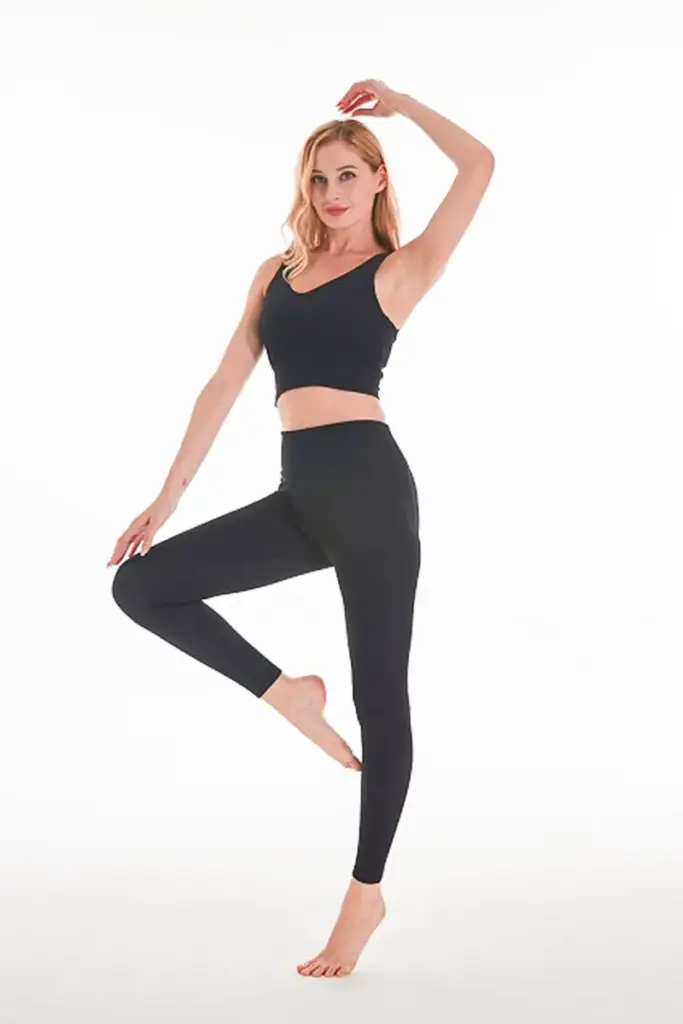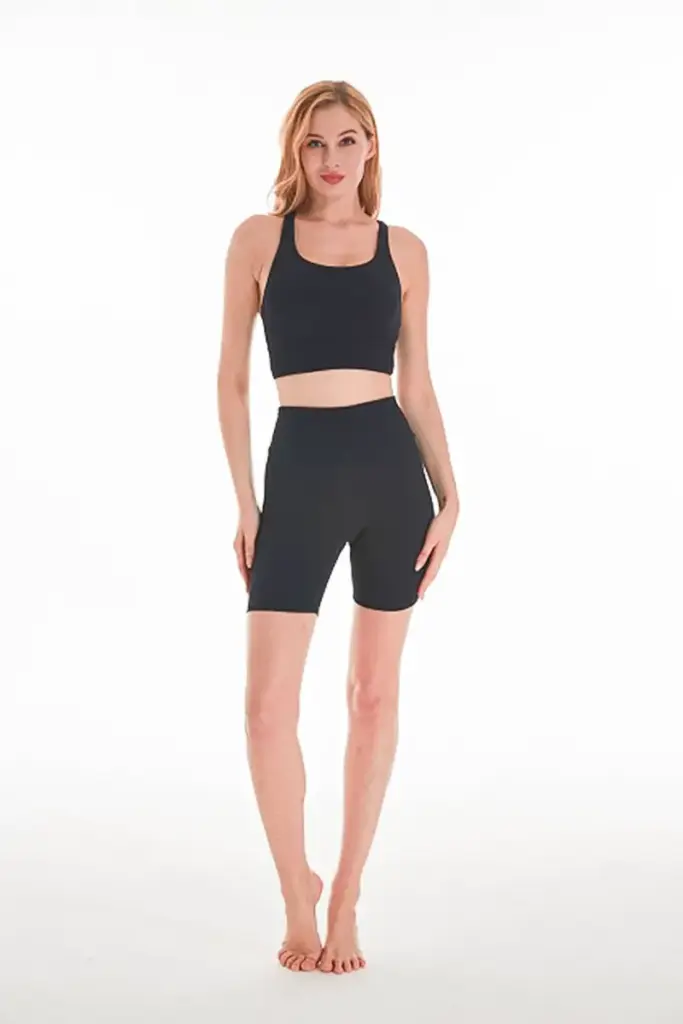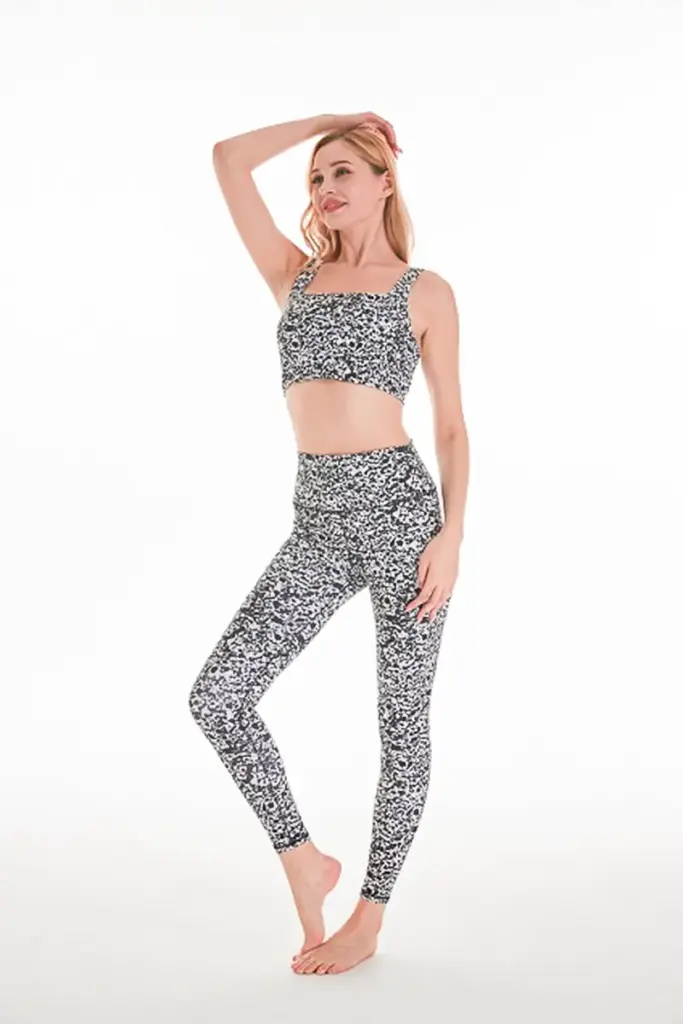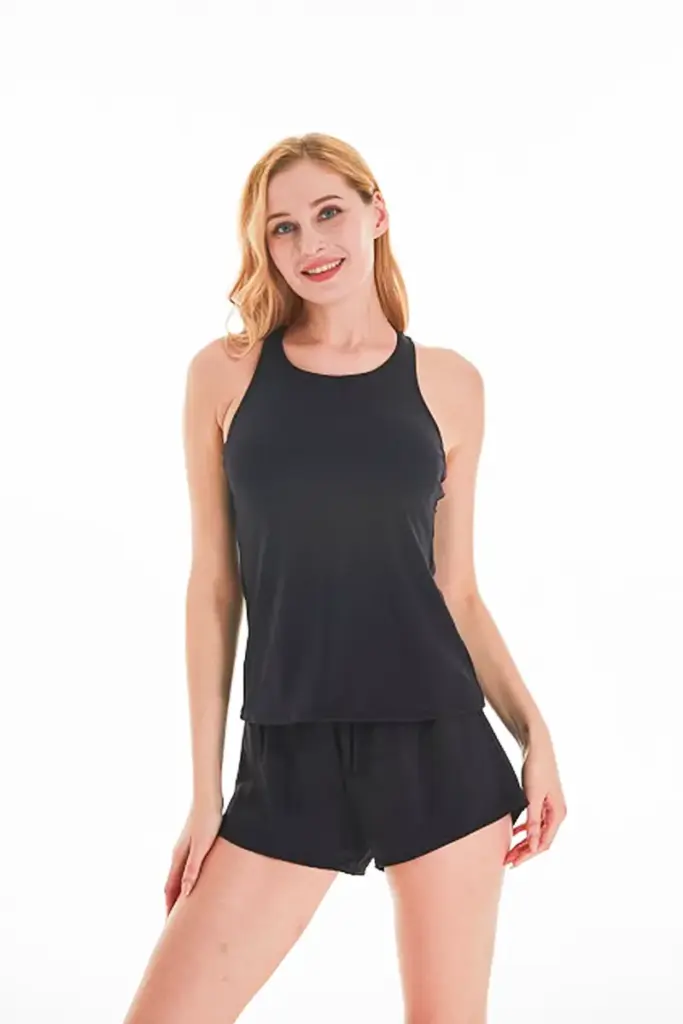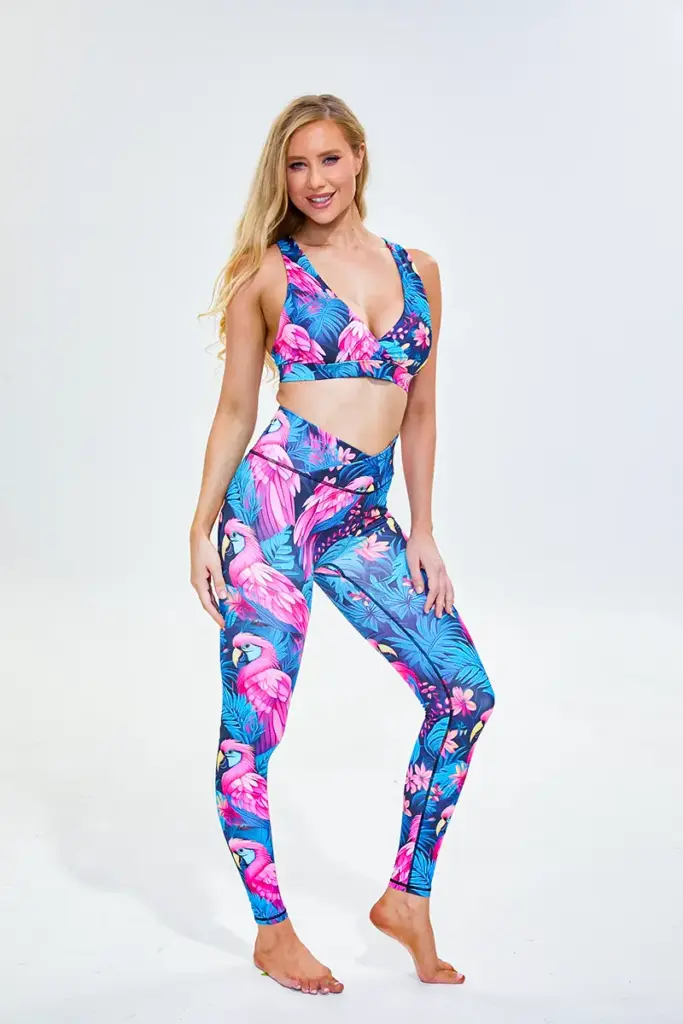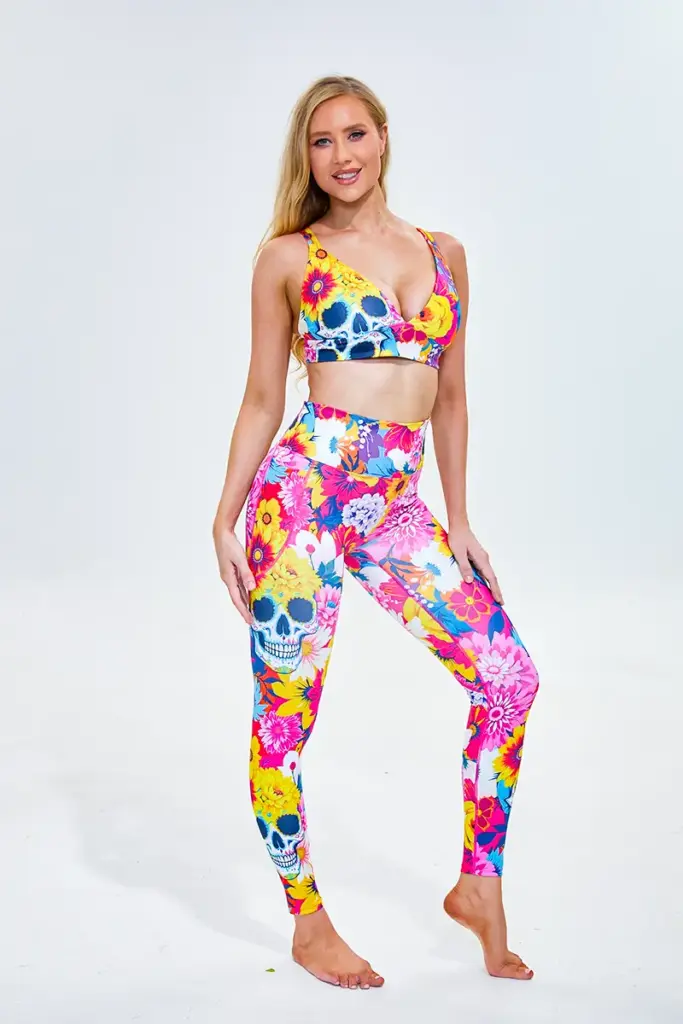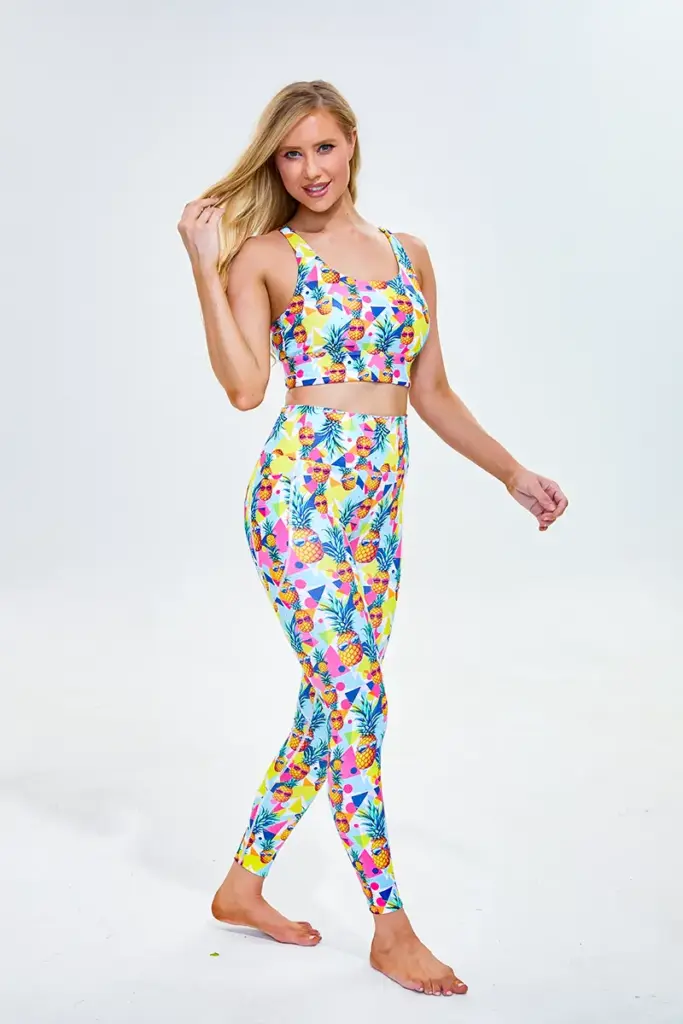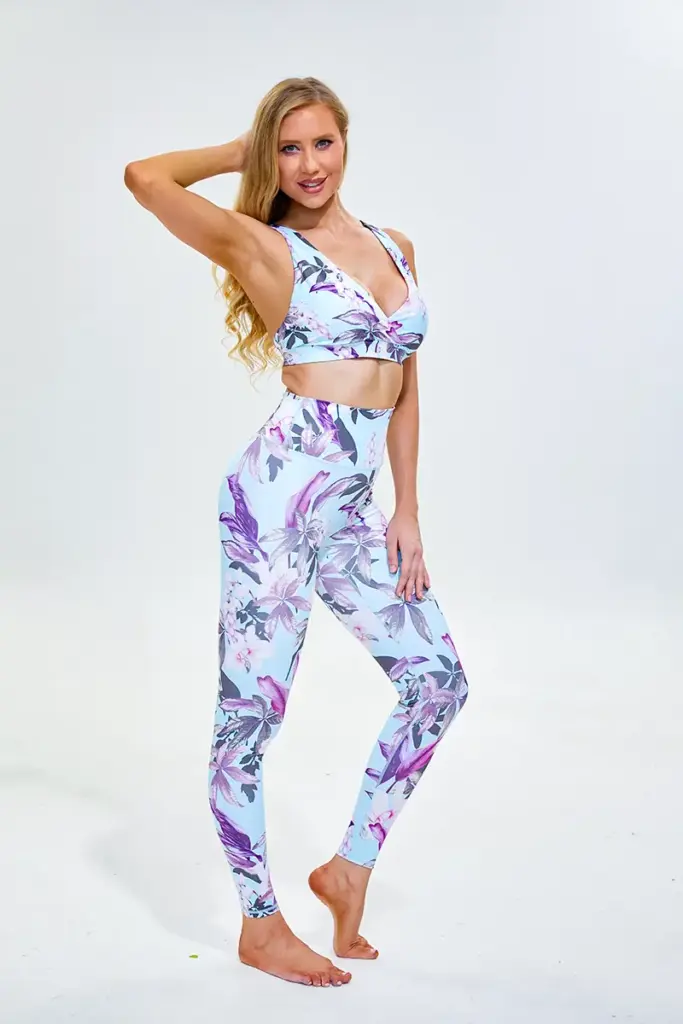
Understanding how to reduce MOQ can make a big difference when you are launching a swimwear brand. Depending on the factory, a first order may require 50, 100, 300, or more pieces per style or color. For a new brand, committing to too much inventory before knowing which designs will sell can tie up a large part of the launch budget.
Several practical options can help lower your first order, including using stock fabrics, limiting colors, choosing private label styles, or combining several styles under one total MOQ. Each option involves a trade-off between design flexibility, unit cost, and inventory risk.
What Is MOQ in Swimwear Manufacturing?
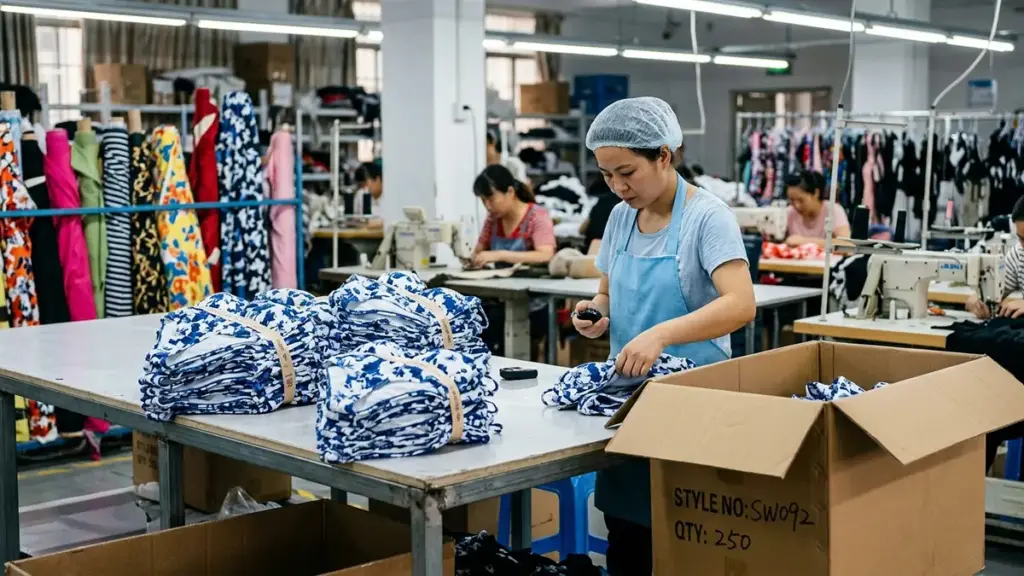
MOQ, or Minimum Order Quantity, is the smallest quantity a factory is willing to produce under its production terms. For swimwear, the requirement may be set per style, per color, or for the total order, depending on the manufacturer’s production model.
The Core Definition of Minimum Order Quantity
Minimum Order Quantity (MOQ) is the minimum number of units a factory will accept for a production order. In swimwear manufacturing, the requirement may apply to a specific style, colorway, or the total order.
For example, a factory may require a minimum quantity for one bikini design in one color, while another manufacturer may allow several styles and colors to be combined under a single total MOQ. Some factories may also set minimum quantities for individual sizes within a colorway.
This means a 100-piece MOQ does not always mean you can order any 100 swimsuits you want. Before planning your collection, confirm whether the factory’s MOQ is calculated per style, per color, per size, or across the entire order.
Why Factories Set MOQ Requirements
Factories use MOQ requirements to make sure each production run covers its material, labor, setup, and operating costs. Smaller orders can be less efficient because the same preparation work may be required regardless of whether a factory produces 50 or 500 pieces.
Material suppliers can also have their own minimums for fabrics, elastics, hardware, or custom colors. These supplier requirements can affect the minimum quantity a factory is willing to accept from a swimwear brand.
For a new brand, understanding how the MOQ is calculated is important because it shows where you may have room to reduce the initial order.
Why Swimwear Factories Set Minimum Order Quantities
Swimwear factories set MOQs mainly to make smaller production runs economically viable. Understanding the cost drivers can help you identify which parts of an order can be simplified or negotiated.
The Economic Logic Behind Production Minimums
A swimwear order involves several costs that do not decrease proportionally with order size. These can include pattern development, size grading, fabric cutting, machine setup, printing or dyeing preparation, and quality control.
Fabric is another major factor. Custom colors, prints, and specialized materials may require the factory to purchase a minimum amount from its supplier. When the order is too small to absorb these costs efficiently, the factory may increase the unit price or require a larger MOQ.
This is why reducing MOQ is usually less about asking a factory to simply “make fewer pieces” and more about reducing the work and material commitments attached to the order.
How MOQs Influence Unit Price and Production Strategy
When fixed costs are spread across fewer swimsuits, the unit price usually increases. That is why a lower MOQ often comes with a higher price per piece.
Swimwear MOQs vary widely by factory and production method. Many manufacturers targeting emerging brands advertise minimums around 50–100 pieces, while custom development programs may require 100–500 pieces or more depending on the style, fabric, and customization level.
You can often improve your chances of securing a lower MOQ by making the order easier to produce. Using stock fabrics, limiting colors, simplifying construction, or choosing an existing pattern can reduce material and development requirements.
The most practical option is often to work with a manufacturer that already supports small-batch production. These factories are more likely to have stock materials, established patterns, and production processes suited to smaller orders.
Scale Your Brand with Low-Risk Manufacturing
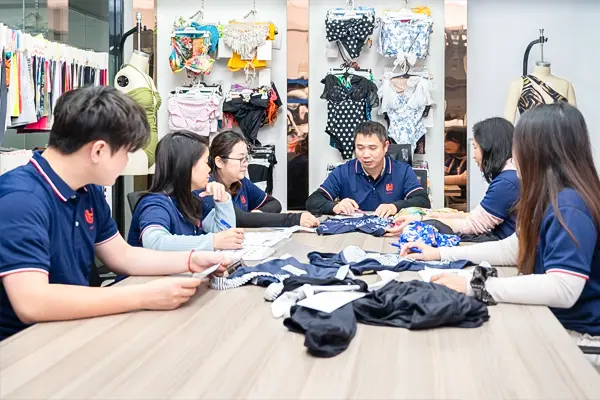
Start With Fewer Styles and Colors
Limiting your styles and colors is the most direct way to lower your total unit commitment and cash outlay. Every style and colorway multiplies your minimum order quantity.
How Minimum Order Quantities Are Calculated in Swimwear
A Minimum Order Quantity (MOQ) is the smallest number of swimsuits a factory will produce in a single run. They aren’t arbitrary numbers; they exist to cover real costs. Factories set these minimums to make a production run profitable while managing fabric use and quality.
In swimwear, MOQs are almost always defined at multiple levels:
- Per Style: This is the minimum for one unique design, like a specific bikini top or one-piece pattern. A common number for startups is 50-100 pieces per style.
- Per Colorway: This is the minimum for each specific color or print of a style. A factory might require 50 pieces per color. So, one style in three colors means a commitment of 150 pieces for that style alone.
- Per Size: Sometimes, factories also have a minimum per size within a colorway, like 3 to 5 pieces per size, to avoid inefficiently small size splits.
These numbers are driven by the factory’s own costs. Every new style requires fixed setup work in pattern making, size grading, and cutting. Fabric mills also have their own minimums for custom-dyed or printed materials, and these costs get passed down. A smaller order means the factory has to spread these fixed costs over fewer units, which drives up the price per suit.
Designing a Focused First Collection to Meet Minimums
The math is simple: total units equal the number of styles multiplied by the number of colors, multiplied by the MOQ per style/color. The easiest way to reduce your total unit commitment is to reduce the number of variables. Launching with fewer styles and colors is the most effective strategy.
Consider this example. If a factory requires 50 pieces per style per color:
- A collection of 5 styles in 4 colors requires 1,000 total units (5 x 4 x 50).
- Cutting the colors to 2 reduces the order to 500 total units (5 x 2 x 50). You just cut your inventory risk and cash outlay in half.
For a first collection, design with these constraints in mind. Limit your range to 3-5 core styles. Think one classic bikini top, one versatile bottom, and maybe one one-piece. Then, choose just one or two core colors that run across all styles. A neutral like black plus one signature brand color is a common and effective approach. This focus also makes it easier to meet fabric minimums, since all your styles are using the same limited fabric and color palette.
Avoid introducing multiple prints at first. Custom prints often carry higher minimums, sometimes 100+ pieces per print, due to the setup costs. By keeping the collection tight, you make it much easier for a factory to produce your line, which improves your negotiating position and makes a successful first run more likely.
Choose Existing Fabrics and Factory Materials
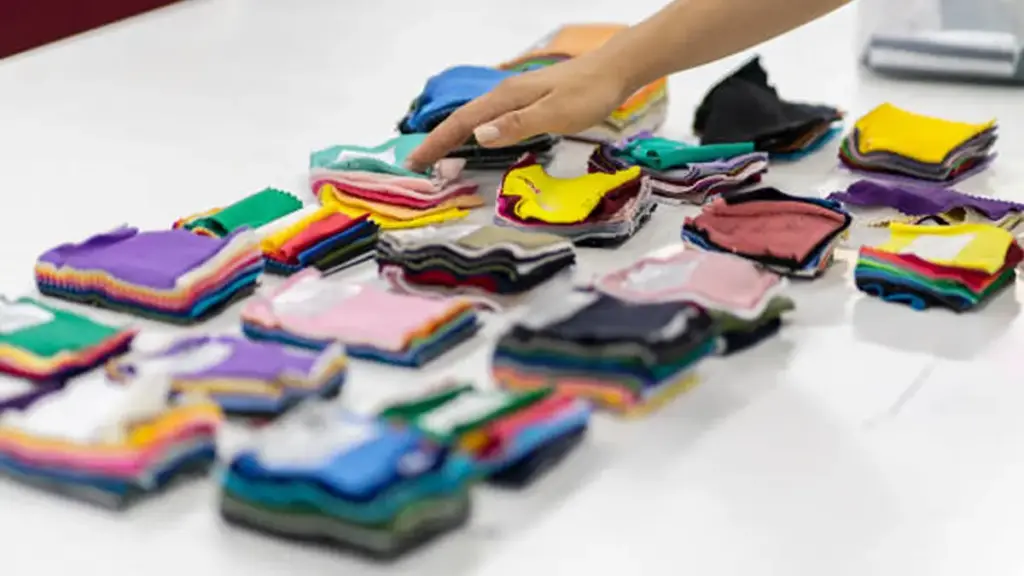
Using a factory’s existing materials is a direct path to lower MOQs. It removes the factory’s biggest upfront cost and risk: getting stuck with custom fabric they can’t reuse.
How Stock Materials Reduce Manufacturing Minimums
Factories set high minimums primarily to cover their own costs from fabric mills. Ordering custom-dyed or developed swimwear fabric can require a commitment of 300 to 1,000 units’ worth of material. When you opt for fabrics the factory already has in stock—their “running” or core qualities—you eliminate that massive upstream minimum. The factory isn’t buying new rolls just for you.
This dramatically lowers the factory’s financial risk. They aren’t worried about being stuck with leftover rolls of your unique coral-colored textured fabric. Using stock materials can make lower MOQs possible because the factory does not need to place a new fabric order specifically for your collection. Depending on the supplier, this may bring a custom order down to around 50–100 pieces, although the exact MOQ varies by fabric, style, and production setup. You’re making their job easier and safer, so they can be more flexible.
Tactics for Building a Collection with Existing Fabrics
To leverage stock materials effectively, you need to design your collection around what’s available. This isn’t about compromising your vision, but about being strategic with your launch.
- Ask direct questions first. Before you even finalize designs, ask potential factories for their stock fabric card. Find out which base cloths and colors they keep on hand, and which swimwear fabric material is available at your required MOQ. Also ask about their standard linings, elastics, and hardware.
- Build around a shared base fabric. Design multiple styles—say, a triangle top, a bandeau, and a high-waist bottom—that all use the same core fabric. This allows the factory to treat your order as one consolidated fabric run, making it easier for them to greenlight a lower MOQ for each individual style.
- Stick to core, stock-friendly colors. Factories almost always have core colors like black, navy, and white in stock. By building your first collection around one or two of these neutrals plus one available accent color, you completely sidestep the need for new, high-MOQ dye lots.
- Standardize your components. Every unique component can have its own minimum. To keep things simple and your MOQ low, use the same lining fabric, elastic type, and hardware finish across all styles in your initial collection. Consolidation is the name of the game.
Use Private Label Instead of Fully Custom Designs
Private label can often reduce the MOQ because the factory is working from an existing pattern and established production setup, while OEM and ODM offer different levels of design control and customization. In many startup-focused programs, private label styles may start around 50–100 pieces, while fully custom development can require a higher minimum.
The High MOQ Challenge of Fully Custom Designs
When you opt for a fully custom (OEM) design, you are asking a factory to build something from zero. This means creating new patterns, grading them for every size, and sourcing unique fabrics, prints, and trims just for your brand. Each of those components has its own minimum order from its own supplier. The factory simply passes that risk and cost onto you.
The biggest hurdle is often fabric. Custom-dyed fabric can require a minimum run equivalent to 150-200 pieces per color. For custom prints, it’s often more. This is why standard MOQs for fully custom swimwear frequently land in the 300-500 piece range per style, per color. If your design is unique enough, some large mills won’t even consider a custom fabric order for less than 3,000 units. For a new brand, that’s a non-starter.
How Private Label Lowers Minimums and Upfront Costs
Private label is a direct path to lower MOQs because it shifts the development risk from you back to the factory. They aren’t inventing a new product; they’re letting you put your brand on a proven one. This works by sidestepping the biggest cost drivers of custom production.
- Shared Patterns and Blocks: The factory has already invested in developing and fit-testing its library of swimwear patterns. Since these costs are spread across many clients, they don’t need a huge order from you to make it profitable. This is how MOQs can drop from 300+ pieces down to a more manageable 50-100 pieces per style.
- Existing Fabric and Trims: Private label programs use stock fabrics that the factory buys in bulk. They pool demand from multiple brands to meet the fabric mill’s high minimums. You get access to their fabric inventory without having to fund an entire dye lot yourself, which is a massive cost saving.
- Aggregated Production Runs: Factories can group small orders from different private label clients into a single, efficient production run. Some manufacturers allow a total MOQ to be split across several styles or colorways. For example, a supplier may accept a 100-piece total order divided across several styles, provided the material and production requirements are met. Always confirm the exact breakdown with the factory before planning your collection.
The route you choose directly impacts your starting commitment. For a launch, your options typically break down like this:
- Ready-to-brand / White Label: This is the lowest-risk entry. MOQs can be as low as 12-80 total pieces. You’re picking a finished product and just adding your label.
- Private Label (Existing Styles): A very common path for startups. Expect MOQs around 50–100 pieces per style, sometimes per color. You get your brand on a proven design with some choice in color or print.
- Semi-Custom (ODM): Here you make minor adjustments to a factory’s base pattern. MOQs are higher, often around 100 pieces per style, per color.
- Full Custom (OEM): This requires the highest commitment, typically 300–500 pieces per style, per color, to justify creating a completely new product from your tech pack.
Combine Multiple Styles Under One Production Plan

Grouping styles that share fabric and construction lets you hit a factory’s total MOQ by spreading the order across multiple designs instead of just one.
Planning the Collection with Shared Production Inputs
Combining styles to lower your minimums only works if they share critical production inputs. You can’t just throw random designs together and expect a factory to treat it as one run. The whole game is about making the factory’s job easier by standardizing your materials.
Start by building your collection around a limited number of fabrics. For a launch, this might mean choosing one core polyamide/elastane blend for most of your styles. If you have five different designs—say, three bikini tops and two bottoms—and they all use the same base fabric, the factory can treat them as a single fabric order. This helps you meet the fabric mill’s minimum yardage without having to order hundreds of units of a single style.
The same logic applies to color and construction. Stick to one or two core colors across your initial styles. This discipline helps you meet colorway MOQs, which are often set separately. You should also keep your lining fabric, elastic specifications, and any hardware consistent across the collection. When a factory can use the same thread, elastic, and hooks for multiple styles, their setup costs go down and they become more flexible on your per-style minimums.
Structuring the Order to Meet Factory Minimums
Once your collection is designed with shared inputs, you can structure your purchase order to meet the factory’s various minimums. In swimwear, MOQ isn’t just one number; it’s a layered requirement. You’ll face a total order minimum, a per-style minimum, and often a per-color minimum. Combining styles is the key to satisfying all three without over-committing to any one product.
Let’s say a factory has a total order minimum of 500 units and a per-style/per-color minimum of 50 units. Instead of ordering 500 units of a single bikini in one color, you can build a more diverse order. This strategy lets you test multiple silhouettes and colors while still giving the factory an efficient production run.
Here’s a practical example of how you could structure a 500-unit order across five styles and two colors:
- Bikini Top A: 50 units in black, 50 units in cobalt
- Bikini Top B: 50 units in black, 50 units in cobalt
- Bikini Bottom X: 50 units in black, 50 units in cobalt
- Bikini Bottom Y: 50 units in black, 50 units in cobalt
- One-Piece Z: 50 units in black, 50 units in cobalt
In this scenario, each style-color combination meets the 50-piece minimum, and the total order hits 500 pieces. You satisfied the factory’s requirements, but you launched a full collection instead of a single SKU. This is how you negotiate on total order volume instead of getting stuck on restrictive per-style minimums. You’re giving the factory the volume it needs while spreading your own inventory risk across a wider range of products.
Choose Low MOQ Swimwear Manufacturers
Selecting the right low MOQ swimwear partner means matching their model—private label, custom, or micro-batch—to your launch budget and design control needs.
Compare Private Label, Custom, and Micro-Batch Producers
When you’re launching a swimwear brand, not all low MOQ manufacturers are the same. They generally fall into three camps: private label, custom, and micro-batch. Knowing how to choose a swimwear manufacturer is critical because it dictates your cost, speed, and design freedom.
Private label (or ready-to-brand) factories are your fastest and lowest-risk entry point. They provide pre-developed, fit-tested swimwear patterns and use their own stock fabrics. You just add your branding—labels, tags, and packaging. Because the development work is already done and materials are shared across clients, they can offer extremely low minimums. You’ll see MOQs from 12-50 pieces for simple ready-to-brand programs, and 50-100 pieces per style for semi-custom options where you might choose colors or prints from their library. This path is ideal for validating the market without heavy upfront investment.
Custom swimwear manufacturers with “low” MOQs offer full design control. You bring your unique tech packs, and they create new patterns from scratch. Their minimums are higher than private label because they’re taking on the risk of custom development and material sourcing just for you. “Low” here usually means around 100-200 pieces per order, often with sub-minimums like 20 pieces per style or color. This route is for brands that need a unique silhouette to stand out and are prepared for a slightly larger initial investment.
Micro-batch producers are specialists in ultra-small runs, sometimes as low as 10-30 pieces per style. These are often small, agile workshops that use their stock fabrics and trims to make these tiny orders feasible. Customization is usually limited. This model is perfect for pre-launch testing, influencer-driven drops, or creating hyper-limited edition capsules to test a new idea before committing to a larger run.
Assess Core Features That Enable Low Minimums
Low MOQ manufacturers aren’t doing magic; they’ve built their business models around specific features that reduce production risk and cost on small orders. When vetting a potential partner, you need to look for these operational capabilities.
- Stock Fabric and Trim Programs: The biggest driver of high MOQs is often the minimum required by fabric and trim suppliers. Low-MOQ factories can reduce this constraint by keeping commonly used swimwear fabrics and trims in stock. When you use those materials, the factory may be able to accept a smaller run, depending on the style and production setup.
- ODM (Existing Style) Libraries: Using a factory’s pre-existing, fit-tested patterns can reduce development work and grading costs. This may make the factory more willing to accept a smaller order than it would for a fully custom style. It’s a common strategy to launch with ODM styles at 50-200 pieces and then introduce fully custom designs later.
- Ability to Split MOQs: Look for factories that let you split a total order MOQ across multiple styles, colors, and sizes. For example, instead of needing 100 pieces of one style in one color, they might allow a 100-piece total order split into 10 pieces per color across five different styles. This gives you assortment variety without a huge inventory commitment per SKU.
- Trial Order and Gap-Filling Programs: Some manufacturers offer formal “trial orders” for new clients, usually at a 15-25% price premium, to let you test the waters with a small run. Others will accept a low MOQ order if they can slot it into gaps between their larger production runs. This requires flexibility on your delivery timeline but can be a great way to get a small order through the door.
Why Production Flexibility Matters for a New Swimwear Brand
Hewang Fashion combines low-MOQ production with the technical experience needed to support new swimwear brands. With more than 20 years of pattern-making and production experience, its team can support OEM and ODM development from technical packs and fit adjustments to finished products. This is particularly useful when a brand wants to start with a focused collection but still needs reliable sizing, consistent construction, and room to develop new styles later. Hewang also highlights BSCI certification, SGS/MSDS documentation, in-house R&D, and one-stop support that can extend to packaging and other brand requirements. For buyers, the advantage is not simply ordering fewer pieces; it is having a manufacturing partner that can handle a smaller launch while keeping the development process organized as the collection grows.
Increase Unit Price to Negotiate Lower MOQ
Offering to pay more per unit is a direct trade to lower your MOQ. This compensates the factory for the higher risk and fixed costs of a small production run.
The Factory’s Perspective: Covering Costs on Small Runs
When you ask a factory to produce fewer units than their standard minimum, you’re asking them to take on more risk and less profit. To make it work, you need to understand their side of the deal. The math is simple: every production run has fixed costs that don’t change, whether they make 50 suits or 500.
- Swimwear factories have high fixed setup costs per style. This includes pattern making, grading for different sizes, and configuring machines for a specific design.
- These costs are normally absorbed across a standard minimum order quantity (MOQ), which is often between 200 and 1,000 units per style.
- When an order comes in below that MOQ, the factory must charge a higher price for each swimsuit. It’s the only way they can cover the same fixed costs and still protect their profit margin.
The Brand’s Strategy: Structuring a Lower-MOQ Proposal
Once you know the factory’s pain points, you can structure a proposal that solves their problem while getting you what you need. A clear quote request also makes it easier to compare MOQ, unit pricing, sampling, and production terms between suppliers. Instead of just asking for a lower number, you make a business case that balances risk and reward for both sides.
- You can ask whether the factory would accept a smaller trial order at a higher unit price. Some manufacturers use this approach—for example, one current supplier publicly lists a 30% price increase when the order drops from 100 pieces to 50. The exact premium depends on the factory, product, and production setup.
- Frame the small order as a “trial batch” to test the market. Show them your plan for placing larger, standard-priced orders in the future once you have sales data.
- This approach is a strategic trade. You accept a lower profit margin per suit to dramatically reduce your upfront cash investment and the risk of being stuck with unsold inventory.
Prepare a Professional Tech Pack Before Contacting Factories
A detailed tech pack proves you’re a serious partner, reducing factory risk. This clarity is your best tool for negotiating smaller pilot runs and better terms.
A clear tech pack makes it easier for a factory to understand your design, prepare a quote, and estimate the work involved in sampling and production. It should cover the measurements, materials, construction details, artwork, labels, and packaging requirements that the factory needs to review before production. Factories are far more willing to consider a smaller pilot run when you remove uncertainty and risk from their side of the table.
Core Components of a Swimwear Tech Pack
A vague design concept is a red flag for any manufacturer. A production-ready tech pack will usually include:
- Technical flats showing front, back, and interior construction views with clear seam lines.
- A detailed measurement chart with base size specs, key points of measure, tolerances, and grading rules.
- A complete Bill of Materials (BOM) that lists all shell fabrics, linings, elastics, hardware, and trims.
- Specific construction notes defining seam types, stitch methods, and any special finishing.
- Print-ready artwork files with exact color references (like Pantone codes), placement guides, and dimensions.
- Clear instructions for the main label, care label, hangtags, and all packaging requirements.
Strategic Details That Influence Factory Minimums
Beyond the basics, how you frame your needs inside the tech pack can directly influence a factory’s willingness to accept a smaller order. Smart choices demonstrate that you understand their operational constraints and are a partner they can work with efficiently.
- Limit the first order to one or two core styles with a small number of colorways to simplify production.
- Standardize materials by using the same fabric, lining, and elastic across styles whenever possible.
- Simplify construction by removing non-essential features like removable pads or custom hardware that can raise setup costs.
- State your target order quantity, size breakdown, and color splits clearly in your first message.
- Ask suppliers which specific components are driving the minimum quantity, as it might be a single trim or fabric.
- A precise tech pack proves you are organized, which gives factories the confidence to offer a smaller pilot run.
Order Samples Before Bulk Production
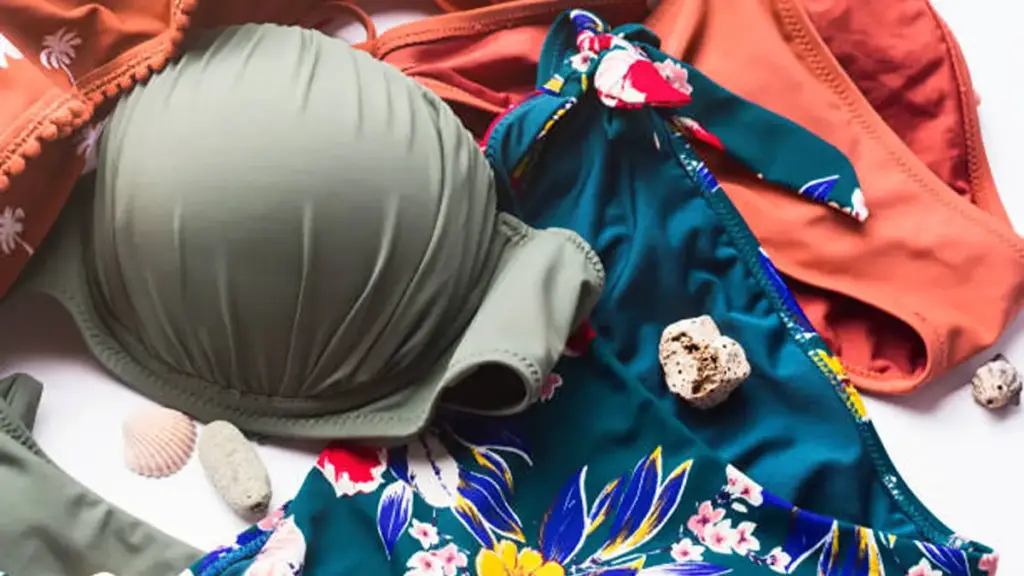
Sampling lets you test swimwear fit, fabric, and construction before committing to a full production run. This process reduces inventory risk and can help negotiate a smaller initial order.
The Swimwear Sampling Process
The number of sample rounds depends on the complexity of the style and how many fit or construction changes are needed. The number of sample rounds depends on the complexity of the style and the number of fit or construction changes required. A typical development process may include a prototype or first sample, a fit sample, and a pre-production sample (PPS). Each stage gives the brand an opportunity to check the pattern, fit, construction, fabric performance, and final specifications before bulk production.
During these rounds, you need to validate every detail. Swimwear is unforgiving, so your checklist should be thorough.
- Fit and Movement: Check the fit across the entire body, not just on a mannequin. See how it performs when moving.
- Fabric Performance: Test the fabric’s stretch and recovery. Does it snap back into shape? Is the lining opaque, especially when wet?
- Construction Quality: Assess seam comfort and durability. Are the stitches clean? Is the elastic tension right?
- Trims and Hardware: Inspect all clasps, sliders, and other hardware for function and feel.
Sample fees are usually charged separately from bulk production and vary by factory, fabric, construction, and the number of revisions required. For a simple custom swimwear style, current supplier examples commonly fall around $50–$100 per style, although some factories credit or waive the fee when a bulk order is placed.
How Sampling Reduces Risk and Lowers MOQ
Sampling helps reduce the risk of committing to inventory before you know whether the product meets your fit and quality requirements. It separates the product validation stage from the bulk production commitment, so you can test multiple designs without taking on the full financial risk. You can develop samples for five different styles, find out which two are the strongest, and then commit your bulk resources only to the winners.
This is especially critical for swimwear. A digital mock-up can’t tell you if a suit will provide enough support or if the lining will become transparent when wet. The fit of swimwear is highly sensitive to the fabric’s stretch, the lining choice, and the construction methods used. A physical sample is the only way to confirm true wearability.
Once you have a finalized and approved pre-production sample, you also gain negotiating leverage. With all the development work completed and approved, the factory faces less risk and uncertainty. This can give you a strong position to negotiate a smaller initial bulk order (MOQ), since the factory knows the style is ready for efficient production.
Use Pre-Orders to Validate Market Demand
A pre-order campaign can reduce inventory risk by giving you an early indication of demand before you place a larger production order. Instead of ordering purely based on forecasts, you can use confirmed orders to decide which styles, colors, and sizes deserve the most inventory.
Designing a Pre-Order Campaign to Collect Data
A successful pre-order isn’t just a sales tactic; it’s a data collection machine. But you can’t sell a concept. Before you launch anything, you need a finalized pre-production sample (PPS). For swimwear, fit is everything, so your sample must be perfect—fabric, color, stitching, and fit all need to be signed off. Get this wrong and your entire bulk order is at risk. Also, lock in your factory capacity before the campaign. You need to know they can start the moment your pre-order window closes.
Build an email or SMS waitlist for 30-60 days before the pre-order goes live. This is your warm audience, the people most likely to convert. Show them high-quality, on-model photos across different body types. Vague promises don’t sell swimsuits; seeing how it fits does. Structure the pre-order window for 7-21 days to create urgency. Set clear, public thresholds tied to your factory’s MOQ for each style or color. For example: “This bikini goes into production if we hit 80 pre-orders.” If it misses the target, you refund the money. You’ve risked very little cash and learned a valuable lesson about what doesn’t sell.
Analyzing Data to Reduce MOQs and Inventory Risk
Pre-order data can become a useful tool for estimating demand, reducing excess inventory, and supporting MOQ discussions with manufacturers. Instead of guessing, you get hard numbers on what customers actually want.
- Real Size Curves: Pre-orders show your true size distribution. Pre-orders can show you the actual size distribution of your customers, allowing you to adjust the factory’s standard size breakdown to better match expected demand.
- Color and Style Winners: You’ll see which silhouettes and colors are popular and which are duds. You can cut the poor performers from the production run entirely, saving cash and avoiding markdowns.
- Data-Backed Reorders: The top-performing styles from your pre-order become your core items. You can approach your factory for reorders with proven sales data, which makes negotiating smaller, more frequent runs much easier.
This data gives you real leverage. You can walk into a negotiation with proof of demand, making factories more willing to accept smaller MOQs. Pre-order revenue can also help you fund the factory deposit without committing as much of your own cash upfront. More importantly, the sales data gives you a stronger basis for deciding how much to order. You can use the data to justify splitting an MOQ across multiple styles. For example, you can produce 100 units each of three different bikini tops that share a fabric, instead of committing to 300 units of a single, unproven style.
When Low MOQ Is Not the Best Choice
Chasing the lowest possible minimum order can backfire, leading to poor quality, unstable margins, and production risks, especially for complex or custom swimwear.
Compromised Quality and Limited Design Control
Everyone wants to reduce risk, but an ultra-low MOQ can introduce a different kind of risk: inconsistent product. Swimwear, especially complex styles with underwires, multiple panels, or detailed sizing, needs production stability. A low MOQ does not automatically mean lower quality, but very small production runs can require more careful quality control. This is particularly important for complex swimwear styles with underwires, multiple panels, or detailed construction. The factory’s sampling process, pattern expertise, and QC system matter more than the MOQ number alone. Without it, your bulk order can feel more like an expensive test run, and you may see variations in fabric color or texture between batches.
Low-MOQ offers also come with creative trade-offs. If your brand’s value is tied to heavy customization—unique prints, custom-matched colors, or specific trims—a small order won’t work. Factories that accept tiny runs usually do so by limiting you to their standard fabric choices and colors. This means you might lose control over the core elements that make your product unique, forcing you to compete on someone else’s terms.
Unstable Margins and Production Risks
A smaller order can look cheaper because the total invoice is lower, but the unit cost is often higher. Factories have fixed setup costs for patterns, cutting, and line preparation. When they spread those costs over 50 units instead of 500, each swimsuit absorbs a much larger share. This inflates your unit cost and can destroy your margins before you even account for marketing. If your brand already operates on a tight margin, the higher per-unit cost of a small run can make profitability impossible.
Low MOQs create other operational headaches. If you already have proven demand from pre-orders or a previous launch, a small production run is a recipe for stockouts, missed revenue, and frustrated customers. You’ll end up paying reorder fees and dealing with repeated production cycles. Production timing can also depend on the factory’s current capacity and how your order fits into its production schedule. The lowest MOQ isn’t the best choice if you need predictable delivery and scalable inventory.
A Practical MOQ Strategy for Your First Swimwear Collection
For a first swimwear collection, a smart MOQ strategy means launching fewer styles and colors, using stock fabrics, and negotiating on total order value, not just per-style quantity.
Swimwear MOQ Benchmarks for New Brands
When you’re starting out, “low MOQ” isn’t a single number. It depends entirely on the type of factory and production you choose. Different partners have different economic floors. Here’s a realistic breakdown of what to expect for your first run.
| Production Type | Common Supplier Ranges | Best For |
|---|---|---|
| Small Test / Ready-to-Brand Programs | Around 50–100 units or lower, depending on supplier | Validating fit and demand with minimal cash risk. |
| Private Label / Ready Designs | 50–100 units per style | Fast launches using the factory’s existing, proven patterns. |
| Custom (with Stock Fabric) | 100–200 units per style/color | Creating your own designs without the high MOQ of custom fabric. |
| Sustainable / Recycled Fabrics | ~100 units per colorway | Brands committed to an eco-story, but with a higher per-color minimum. |
Core Strategies to Achieve a Low MOQ
Getting a low MOQ isn’t about finding a magic factory. It’s about making smart decisions that reduce the factory’s risk and production complexity. If you make your order easier for them to produce, they’ll be more flexible on the minimums.
- Simplify your collection. Don’t launch with a huge assortment. Since MOQ is often calculated per style and per color, reducing both is the most direct way to lower your total unit commitment. A launch with 3 styles in 2 colors is far more manageable than 5 styles in 4 colors. This focus also concentrates your budget and makes it easier to spot your bestsellers.
- Use existing materials and designs. Ask the factory about their stock fabrics and trims. Using materials they already have in-house eliminates the need for them to place new, large orders with fabric mills. This is a huge risk-reducer for the factory. Better yet, consider using their existing, pre-tested patterns (private label or ODM). This removes development costs and makes small production runs much more efficient for them.
- Negotiate terms, not just the number. Instead of just asking for a lower MOQ, propose a deal that makes sense for the factory. Offer to pay a higher per-unit price (e.g., 10-25% more) in exchange for a smaller first run. This shows you understand their fixed costs. You can also negotiate a total order quantity (e.g., 300 total units) split across several styles, which helps them meet their overall production threshold.
- Validate demand with pre-orders. A pre-order model is a powerful tool. It lets you collect payment from customers before placing the bulk order. This proves to the factory that you have real demand and reduces their financial risk. With pre-order data, you only produce what has already sold, effectively turning the factory’s MOQ into a verified sales target instead of a speculative guess.
Frequently Asked Questions
What is the minimum order quantity for swimwear?
Swimwear MOQ varies by manufacturer and production method. Many startup-focused suppliers advertise minimums around 50–100 pieces, while custom programs can require 100–300 pieces or more depending on the style, fabric, and color requirements. For new brands, a realistic low MOQ is around 30 to 100 pieces per style. Some manufacturers structure this per order, allowing a total of 100 to 200 pieces split across different styles, sizes, and colors.
How can I reduce MOQ for my swimwear line?
You can reduce MOQ by simplifying your collection to fewer styles and colors, using stock fabrics the factory already has, and choosing a manufacturer that specializes in small batches. Starting with a factory’s existing designs (private label) also allows for much lower minimums. Negotiating a higher price per swimsuit or paying a development fee can also persuade a factory to accept a smaller order.
How many swimsuits should I order for my first collection?
For many new brands, a first order of 100–300 pieces can be a manageable starting point, provided the quantity fits the factory’s MOQ and your expected demand. The right number depends on the number of styles, colors, target price, and sales strategy. This quantity is typically spread across 3 to 6 styles, with about 20 to 50 pieces ordered for each style. This approach lets you test the market with a manageable amount of inventory and keeps your initial investment controlled.
Why do swimwear factories require high MOQ?
Factories set MOQs to cover their fixed costs for each production run. These costs include creating patterns, setting up cutting and sewing machines, and sourcing fabric, which often has its own high minimum from the fabric mill. A higher MOQ ensures the factory can operate efficiently and profitably on your order.
Can I negotiate MOQ with a swimwear manufacturer?
Yes, you can often negotiate MOQ. A factory may agree to a smaller order if you help reduce their risk. You can do this by offering to pay a higher price per unit, using their in-stock fabrics, simplifying your designs, or showing them a clear plan for future, larger reorders.
Is low MOQ more expensive?
Yes, ordering with a low MOQ is almost always more expensive per swimsuit. A small production run means the factory’s fixed setup costs are spread across fewer items. A low MOQ usually means a higher unit cost because the factory has fewer pieces over which to spread development, setup, and material costs. The difference can vary significantly by factory and product, so it is better to compare the total cost at different order quantities before deciding. You trade a lower total investment for a lower profit margin on each piece.
Do Chinese swimwear factories offer low MOQ?
Yes, many Chinese swimwear factories now specialize in low-MOQ production to serve new and online brands. It is common to find suppliers offering minimums of 30 to 100 pieces per style or color. These factories are set up for small-batch custom and private-label orders, making them a viable option for launching a brand with a smaller initial investment.
Should I start with samples before bulk production?
Absolutely. Starting with samples is an essential step before committing to a bulk order. Swimwear fit is complex, so samples allow you to test and perfect the sizing, coverage, and construction. An approved sample serves as the exact reference for the factory, which protects your investment and ensures the final products are sellable.
How can startups manufacture swimwear on a small budget?
To manufacture swimwear on a small budget, focus on low-MOQ production of 30 to 50 pieces per style. You can achieve this by working with small-batch manufacturers and using their ready-to-brand collections to avoid high development costs. Startups can keep initial costs lower by limiting the number of styles, using stock fabrics, choosing existing designs, and placing a smaller test order before scaling production.
How can I reduce inventory risk when launching swimwear?
The best way to reduce inventory risk is to keep your initial order small by finding a low-MOQ manufacturer. Simplify your first collection to just a few core styles and colors. You can also pre-sell your collection to gauge demand before placing a production order. This ‘test and reorder’ strategy prevents you from getting stuck with large amounts of unsold stock.
Final Thoughts
Launching with a lower MOQ is not simply about ordering the fewest possible pieces. The goal is to find a production setup that keeps your initial inventory manageable without creating unnecessary compromises in quality, fit, or design. This approach shifts the focus from a single number to a sustainable launch plan.
Don’t build your strategy in a vacuum. The next step is to find a manufacturing partner who understands these flexible production models. Contact our team to discuss your designs and align them with a production plan that fits your budget.