Choosing the right swimsuit starts with understanding the options. In 2026, women’s swimwear spans more styles, fabrics, and use cases than ever before—from minimal-coverage bikinis designed for tanning to full-coverage rash guards built for competitive surfing. Each type serves a different purpose, and the differences go well beyond aesthetics.
This guide breaks down every major type of swimsuit for women, including coverage levels, best use cases, fabric requirements, and construction details. Whether you are a consumer looking for the right fit or a brand owner planning your next collection, this reference covers the complete landscape of women’s swimwear categories.
Before we dive into each swimsuit type in detail, here’s a quick overview of the main categories covered in this guide. Use this table to compare their coverage, best use cases, and key features at a glance.
| Swimsuit Category | Description | Popular Styles | Coverage Level | Best For |
|---|---|---|---|---|
| Bikini Swimsuits | A two-piece swimsuit that offers the most variety in coverage, support, and styling options. | Triangle, Bandeau, High-Waisted, String, Push-Up | Low to Medium | Tanning, beach vacations, fashion-focused swimwear |
| One-Piece Swimsuits | A single-piece design that combines coverage, support, and versatility. | Classic, Cut-Out, High-Leg, Backless, Sport | Medium to High | Everyday swimming, resorts, active use |
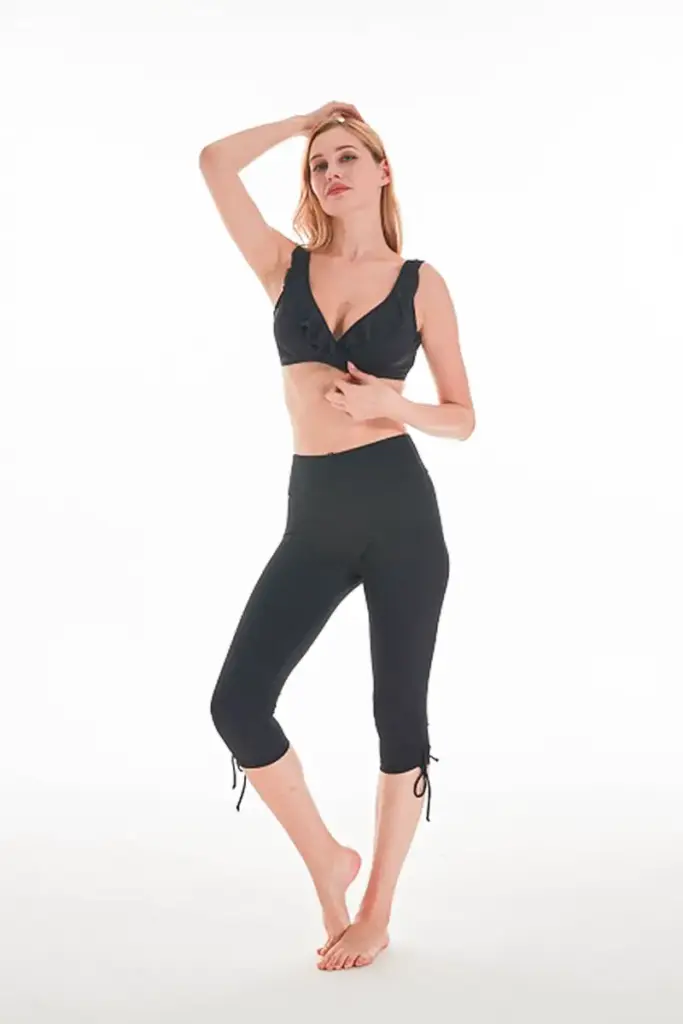
| Tankini Swimwear | A two-piece swimsuit with a tank-style top for added torso coverage. | Basic, Long Tankini, Ruffle, Sport Tankini | Medium to High | Comfort, modesty, family vacations |
| Swim Dresses | Swimwear featuring an attached skirt for extra coverage and a feminine look. | Classic Swim Dress, Skirted Swimsuit, Modest Swim Dress | High | Coverage, confidence, casual beachwear |
| Monokini Swimsuits | A one-piece swimsuit with strategic cut-outs that create a bikini-inspired appearance. | Cut-Out, Strappy, Asymmetrical | Medium | Resort wear, pool parties, fashion statements |
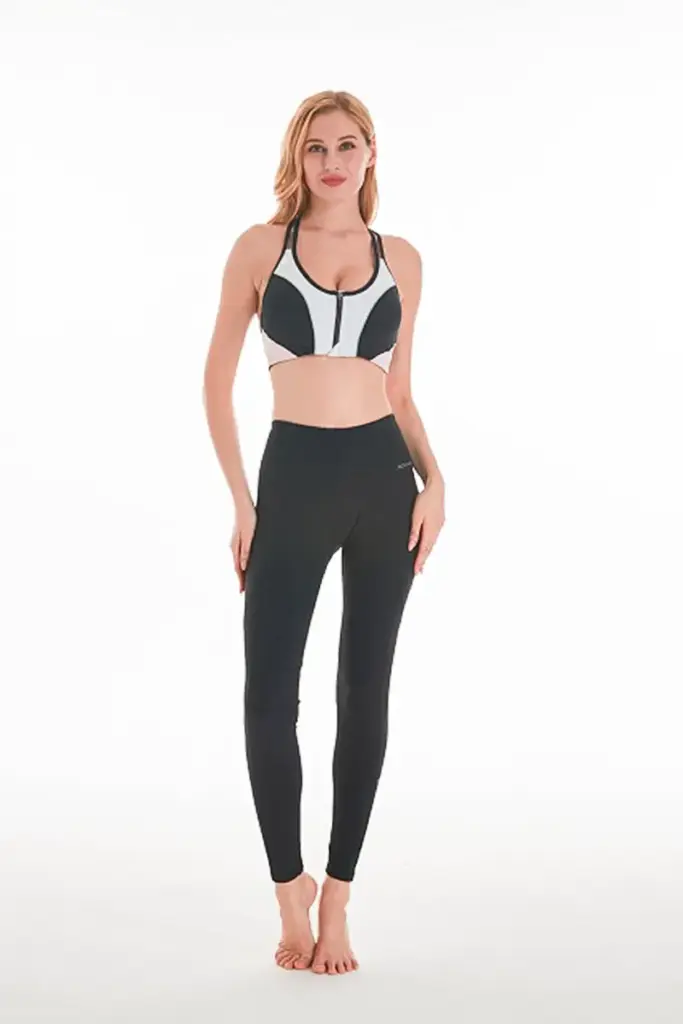
| Athletic Swimwear | Performance-focused swimwear designed for training, competition, and water sports. | Training, Racing, Surf Swimwear | Medium to High | Swimming, surfing, active lifestyles |
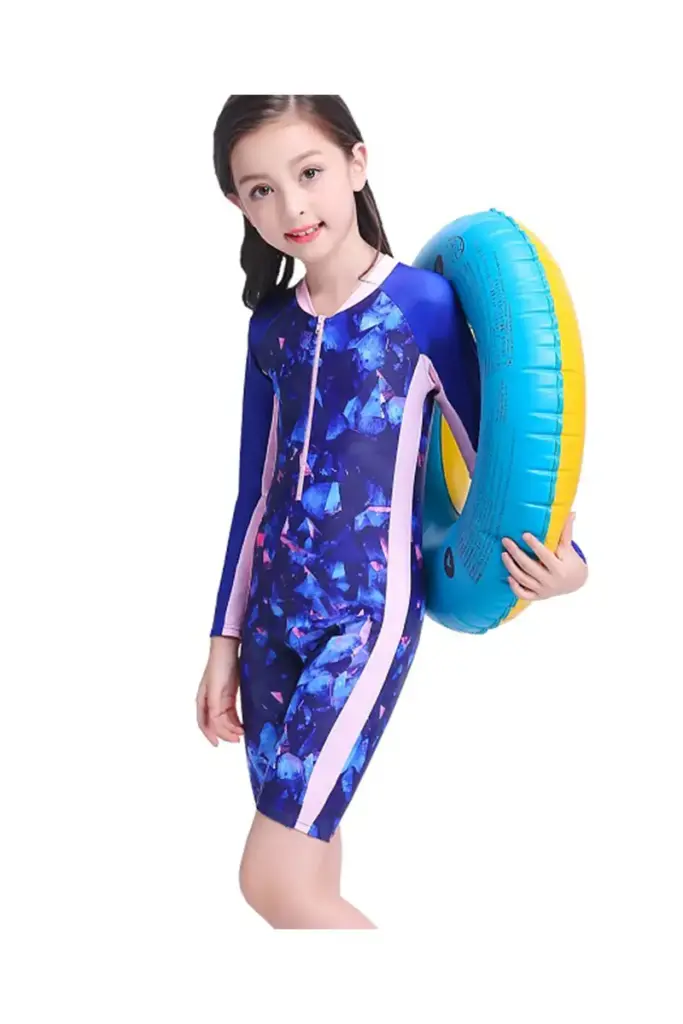
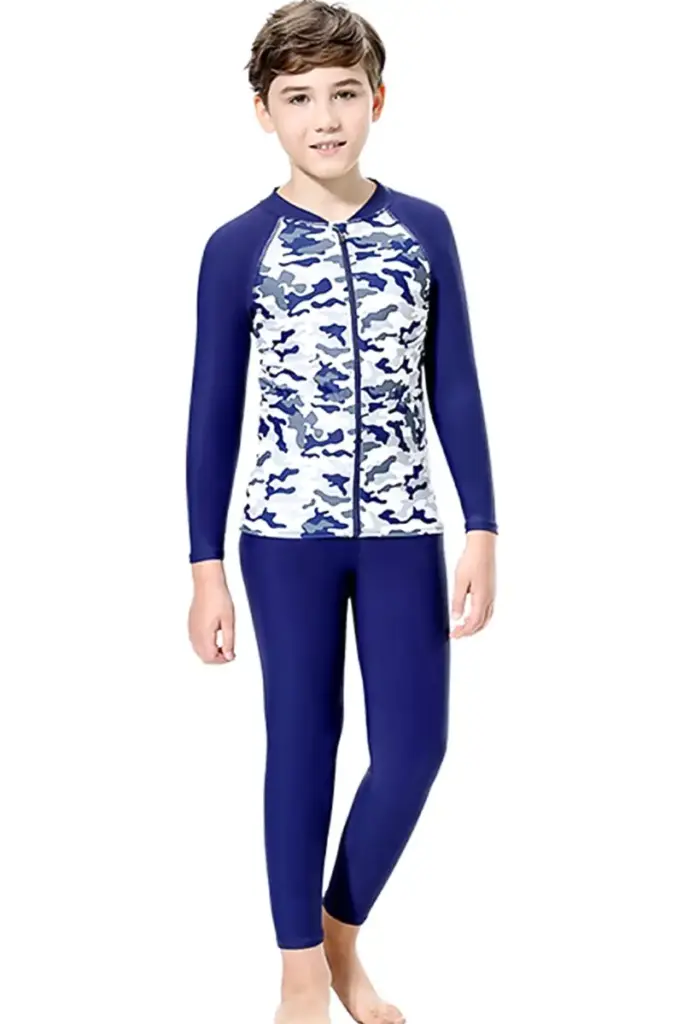
| Rash Guard Swimwear | Protective swimwear designed to reduce sun exposure and skin irritation. | Long Sleeve, Short Sleeve, Zip-Up | High | Outdoor activities, surfing, UV protection |
| Modest Swimwear | Swimwear designed to maximize coverage while maintaining comfort and functionality in the water. | Full Coverage, Burkini-Style, Layered Swim Sets | Very High | Modesty, sun protection, extended water activities |
Bikini Swimsuits
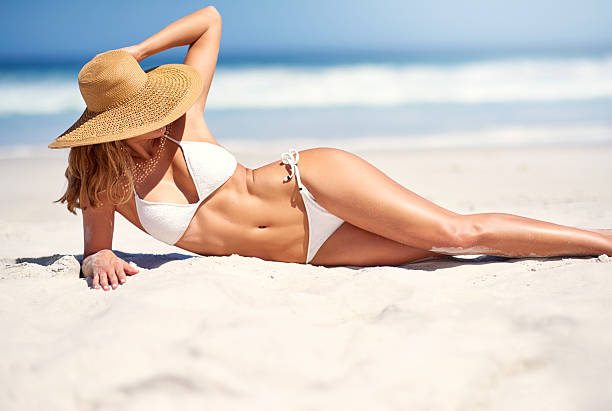
When most people think of swimwear, bikinis are often the first style that comes to mind. Their two-piece design gives you the flexibility to mix and match tops and bottoms while choosing the level of coverage, support, and style that best suits your needs. For a deeper look at bikini variations, see our guide to different types of bikinis.
Some of the most popular bikini styles include:
- Triangle Bikini: Features sliding triangle cups and adjustable ties that allow you to customize the fit and coverage. If you prefer a classic beach look with minimal tan lines, this is one of the most versatile options available.
- Bandeau Bikini: Uses a strapless band-style top that creates a clean neckline and eliminates shoulder tan marks. If you prioritize a sleek, fashion-forward appearance, a bandeau bikini may be an ideal choice.
- High-Waisted Bikini: Combines a bikini top with high-rise bottoms that extend toward the navel. If you want additional midsection coverage while maintaining a stylish silhouette, this design offers an excellent balance of comfort and aesthetics.
- String Bikini: Connects minimal fabric panels with thin adjustable strings at the hips and bust. If your goal is maximum adjustability and minimal coverage, this style provides a highly customizable fit.
- Push-Up Bikini: Incorporates molded cups, underwire, or padding to enhance lift and support. If you are looking for extra shaping and a more defined bust profile, this style is specifically designed to deliver those benefits. For brands developing bikini lines, understanding swimwear cup sizes is essential for getting the fit right across your size range.
For brand owners: Bikinis are the highest-volume category in women’s swimwear. They require less fabric per unit (typically 0.5–0.8 meters) but demand precise pattern engineering for consistent fit across sizes. Nylon/spandex blends (80/20 or 78/22 nylon-Lycra) remain the industry standard for fashion bikinis, while recycled nylon options like ECONYL are gaining market share with eco-conscious consumers.
One-Piece Swimsuits
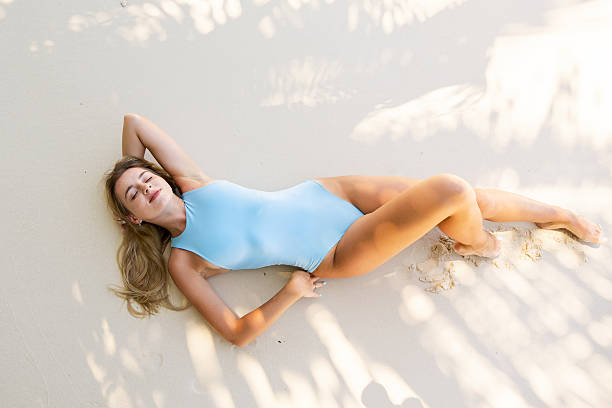
If you prefer more coverage and support without sacrificing style, one-piece swimsuits offer a versatile option. Today’s designs range from sporty performance suits to fashion-forward styles, so you can choose a fit that matches your comfort level, body shape, and planned activities.
One-piece swimsuits come in several different styles:
- Classic One-Piece: Features a continuous design that connects the bust and bottom into a single garment. It gives you moderate to full coverage and works well for swimming, vacations, and everyday beachwear.
- Cut-Out One-Piece: Adds openings around the waist, midriff, or back to show more skin while keeping the structure of a one-piece. If you want a mix of bikini-style edge and full-piece coverage, this is a strong option.
- High-Leg One-Piece: Uses high-cut leg openings that sit above the hip line to make your legs look longer and your shape more defined. This retro-inspired style is popular in modern swimwear collections.
- Backless One-Piece: Features a deep open-back design that creates a bold, elegant look from behind while keeping front coverage. If you want a more glamorous resort style, this is a standout choice.
- Sport One-Piece: Focuses on support and performance with features like high necklines, racerback straps, and compression fabrics. It is ideal for swimming laps, training, and active water sports.
For brand owners: One-pieces use more fabric per unit (1.0–1.5 meters) and require more complex pattern grading than bikinis. The key manufacturing challenge is maintaining consistent compression and shape retention across sizes. Polyester/spandex blends are preferred for their chlorine resistance, making them ideal for performance-oriented collections.
Tankini Swimwear
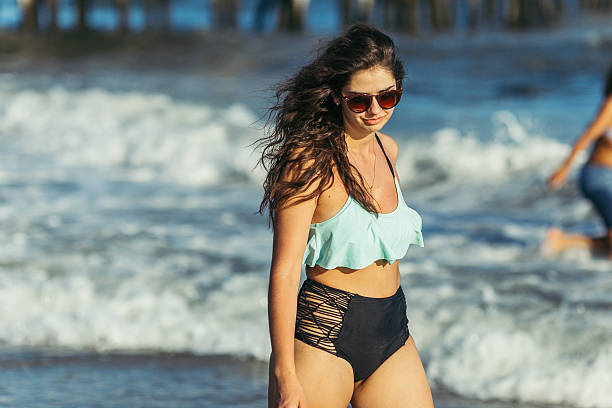
Tankinis are designed to bridge the gap between bikinis and one-piece swimsuits, giving you the coverage of a longer top while still keeping the flexibility of a two-piece set. This makes them especially useful if you want comfort, modesty, and easier size mixing at the same time.
Tankini swimwear includes several common styles:
- Basic Tankini Set: Features a standard tank-style top that usually falls to the hip, paired with matching bikini or mid-rise bottoms. If you are looking for a simple and comfortable option for vacations or family beach trips, this is a reliable choice.
- Long Tankini Top: Extends below the waist to the upper hip, offering closer-to-one-piece coverage while keeping the convenience of a two-piece suit. If you prefer extra modesty or a more relaxed fit, this style gives you better coverage without feeling restrictive.
- Ruffle Tankini: Adds ruffles, tiers, or flounce details along the neckline or body to create a softer, more decorative look. If you want a more fashion-forward and feminine style for resort or poolside wear, this option helps enhance visual balance and style.
- Sport Tankini: Designed for active use with features like racerback straps, high necklines, and compression fabrics. If you plan to swim laps, do water aerobics, or stay active in the pool, this style gives you better stability and support.
Swim Dresses

Swim dresses combine the coverage of a dress with the practicality of swimwear, giving you a more modest and comfortable option that still performs well in water. If you prefer extra coverage while staying active at the beach or pool, this category offers a balanced and wearable solution. For consumers seeking even more coverage alternatives, our swimwear alternatives guide covers additional options beyond traditional styles.
Within this category, you will typically find the following styles:
- Classic Swim Dress: Features a fitted upper body with a defined waist and a skirt that gently flares over the hips and upper thighs. If you want a timeless and versatile option, this style is widely used for vacations, resorts, and family beach settings.
- Skirted Swimsuit: Combines a one-piece or tankini base with a shorter attached skirt that provides extra coverage around the hips and upper thighs. If you prefer a more sporty look with added rear coverage, this design works well for active water use and water parks.
- Modest Swim Dress: Designed for maximum coverage with longer hemlines, higher necklines, and optional sleeves. If you prioritize modesty, sun protection, or cultural requirements, this style gives you full coverage while maintaining swim functionality.
Understanding Swimsuit Fabrics and Construction
Regardless of which swimsuit type you choose, the fabric and construction quality determine how the suit performs in real use. Understanding these factors helps both consumers make better purchases and brand owners make better products.
The most common swimwear fabrics include:
- Nylon/Spandex (Lycra): The most widely used swimwear fabric. Offers excellent stretch recovery, soft hand feel, and vibrant print reproduction. Typically 80% nylon / 20% spandex. Best for fashion bikinis and resort wear.
- Polyester/Spandex: More chlorine-resistant and colorfast than nylon. Slightly less stretchy but holds shape longer in pool chemicals. Preferred for performance and athletic swimwear.
- Recycled Nylon (ECONYL) and Recycled Polyester (REPREVE): Made from regenerated waste materials. Performance is comparable to virgin nylon/polyester but with a smaller environmental footprint. Commands a 20%–40% retail price premium in sustainable markets.
Construction details that affect quality include flatlock stitching (prevents chafing), bonded seams (reduces bulk), lined panels (improves opacity and support), and reinforced elastic (maintains tension after repeated use). For a complete technical reference, read our swimwear fabric material guide.
Monokini Swimsuits
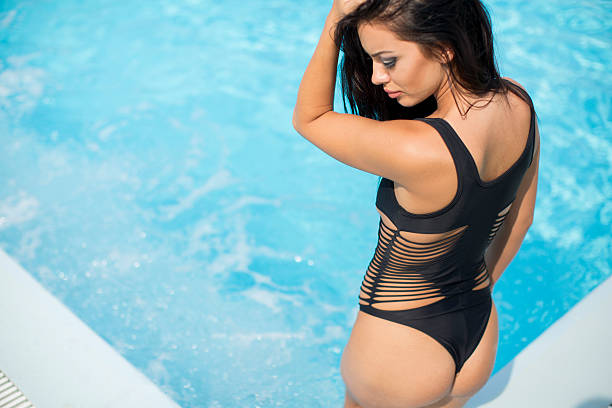
Monokinis sit between bikinis and one-piece swimsuits, using cut-outs and connecting straps to create a more sculpted, fashion-forward look. If you want a bold resort style that highlights your body shape while still keeping a single-piece structure, monokinis are a strong option.
Rather than following a single uniform design, monokinis are mainly defined by how the cut-outs and straps are arranged across the body:
- Cut-Out Monokini: Uses strategic openings on the sides, front, or back to reveal skin while keeping the suit connected. If you want a curve-enhancing design for resort wear or pool parties, this style helps define the waist and break up the torso visually.
- Strappy Monokini: Connects the top and bottom with multiple straps or bands that create a more revealing, cage-like effect. If you prefer a bold, statement-making look, this style is often chosen for festivals, beach clubs, or styling as a bodysuit.
- Asymmetrical Monokini: Uses uneven design elements such as one-shoulder straps or diagonal lines to create a more modern, fashion-driven silhouette. If you want a high-fashion resort look, this style adds visual interest while still maintaining support and structure.
Athletic Swimwear
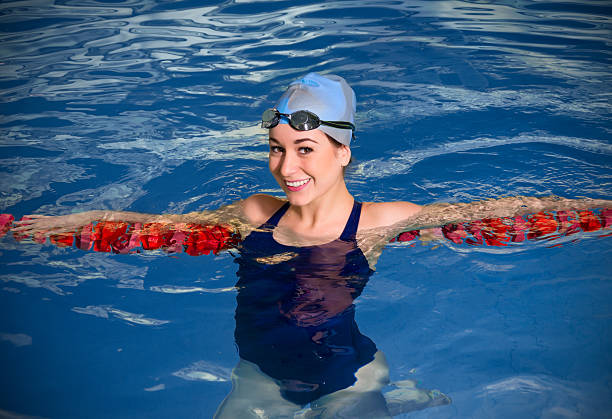
Athletic swimwear is designed for performance rather than appearance. If you are regularly in the water for training, competition, or surfing, these styles focus on stability, durability, and unrestricted movement to support high-intensity activity.
What changes most in this category is how much support and speed each suit is built for:
- Training Swimsuit: Built for daily lap swimming with chlorine-resistant fabrics that maintain shape over time. If you swim regularly, this style gives you a secure fit with racerback or cross-back straps that stay in place during turns and strokes.
- Racing Swimsuit: Designed to reduce drag and improve speed during competitions, often using compression fabrics and bonded seams. If you are focused on competitive performance, this style supports muscle alignment while maximizing hydrodynamics in the water.
- Surf Swimwear: Created for ocean conditions with secure straps, high necklines, and reinforced construction to stay in place during waves and movement. If you spend time surfing or in rough water, this style gives you stability, sun protection, and abrasion resistance.
For brand owners: Athletic swimwear requires fabrics with higher polyester content (typically 70/30 polyester/spandex or higher) for chlorine resistance. Compression fabrics and bonded or flatlock seams are essential for performance. If you are developing an athletic line, understanding the differences between OEM, ODM, and private label manufacturing helps you choose the right production model for technical garments.
Rash Guard Swimwear
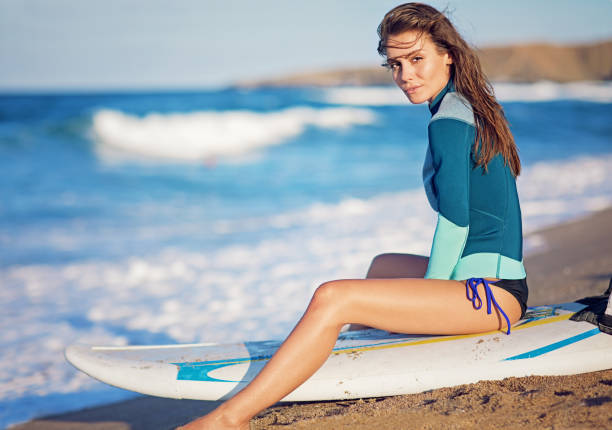
Rash guard swimwear is most commonly seen in surfing, snorkeling, and long outdoor beach sessions where sun exposure and friction become a real concern. Instead of focusing on style, this category is built to help you stay protected and comfortable in active water environments.
What mainly differentiates rash guards is how much coverage and convenience you need during activity:
- Long Sleeve Rash Guard: Provides full arm and upper body coverage for maximum sun protection and abrasion resistance. If you are exposed to strong sunlight for long periods or participate in snorkeling and paddle sports, this style helps keep your skin better protected and more comfortable.
- Short Sleeve Rash Guard: Covers the torso and upper arms while leaving the forearms free for greater breathability and movement. If you prefer a lighter feel in hot weather, this option gives you protection without overheating during casual swimming or beach activities.
- Zip-Up Rash Guard: Uses a front zipper design that makes it easier to put on and take off, especially when wet. If you want more convenience and adjustable ventilation, this style lets you control coverage and temperature more flexibly.
Modest Swimwear
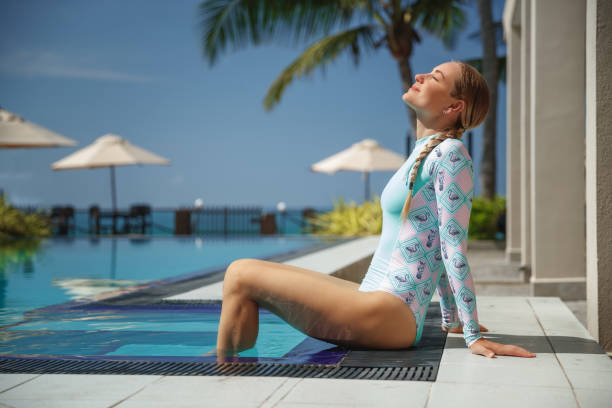
Modest swimwear is designed for situations where you want more coverage while still keeping the suit practical for swimming. It often combines sun-protective fabrics, supportive construction, and multi-piece options to meet different personal, cultural, or activity needs.
And this category is often broken down into three main types:
- Full Coverage Swimsuit: Extends coverage across the chest, midsection, and back in a single connected design. If you prefer a secure all-in-one option for active swimming, this style uses higher necklines, reinforced straps, and full-seat bottoms to keep everything in place during movement.
- Burkini-Style Swimwear: Provides full-body coverage from neck to ankles, designed for users who need maximum coverage in and out of the water. If you require cultural, religious, or personal modesty, this style combines coverage with water-friendly performance.
- Layered Swim Sets: Let you combine different pieces depending on the activity or environment, giving you more flexibility in how much coverage you need. If you want adaptability between swimming and resort wear, this system makes it easy to adjust your outfit.
For brand owners: Modest swimwear is one of the fastest-growing segments in the global market. It requires more fabric per unit (1.5–2.5 meters) and often involves multi-piece construction. Brands entering this category should work with manufacturers experienced in UPF 50+ fabric sourcing and modest pattern engineering.
Developing Your Own Swimwear Collection
If you are building a swimwear brand, understanding these types is only the starting point. The real challenge is translating consumer preferences into producible designs with consistent fit, quality fabrics, and competitive pricing.
Key decisions when developing a collection include:
- Category focus: Which swimsuit types align with your target market? A surf brand needs different styles than a resort fashion brand.
- Fabric selection: Nylon/spandex for fashion, polyester/spandex for performance, recycled options for sustainability positioning.
- Size range: Will you offer XS–XL or extend to plus sizes? Each additional size requires separate pattern grading and fit testing.
- Manufacturing partner: Choosing the right factory determines your sampling speed, MOQ flexibility, and quality consistency. See our guide on how to choose a swimwear manufacturer for a complete evaluation framework.
For a complete roadmap from concept to launch, read our guide to starting a swimwear line.
Frequently Asked Questions
Which swimsuit is best for tummy control?
The best options for tummy control are one-pieces with built-in slimming panels, tankinis featuring power mesh, high-waisted two-piece sets, and swim dresses. Look for compression fabrics, front ruching, and wrap-front designs. Dark solid colors, vertical stripes, and strategic color-blocking also create a smoother, visually slimming effect.
What is the most popular swimsuit style?
The most popular styles include classic bikinis and modern one-piece swimsuits. High-leg cuts, plunge necklines, and waist-defining details dominate current trends. Shoppers frequently choose high-waisted bottoms and underwire tops to balance comfort, support, and visual appeal.
How do I know what swimsuit looks best on me?
Finding the best swimsuit requires accurate body measurements and an understanding of your proportions. Use bold prints or ruffles to add visual volume to specific areas, and dark, solid colors to minimize others. Choose tops that provide adequate bust support, and select bottoms that flatter your natural shape. For a detailed fit guide, see our swimwear guide for different body shapes.
What is the difference between a tankini and a bikini?
The primary difference is the coverage level. A tankini features a longer, tank-style top that covers the midriff and torso. A bikini uses a smaller, bra-style top that exposes the stomach. Tankinis are typically chosen for a more secure, modest fit, while bikinis are preferred for minimal coverage and maximum tanning potential.
Are one-piece swimsuits in style?
Yes, one-piece swimsuits remain highly fashionable. Designers continuously update them with modern features like cutouts, plunge necklines, and bold prints. They offer an excellent balance of coverage, support, and versatility, making them a permanent staple in women’s swimwear rather than a temporary trend. For the latest seasonal trends, check our swimwear trends guide.
Final Thoughts
By now, you should have a clear understanding of the different types of swimsuits for women in 2026. Each category serves a different purpose, whether it is fashion, performance, or coverage. The right choice depends on how you plan to use the swimsuit and what level of coverage or support feels right for you.
If you are running a swimwear brand or managing a retail collection, turning these product insights into a profitable lineup requires reliable manufacturing support. At HW Fashion, we provide OEM and ODM swimwear solutions, helping you develop custom designs with performance fabrics, including UPF 50+ materials, chlorine-resistant blends, and stable construction that improves fit consistency and product durability across different styles.
If you are ready to develop your next swimwear collection, start here to build your brand strategy, then contact us to request samples tailored to your specifications.